A urinal can look clean and still smell before the end of the day. Urine salts cling to the bowl and trap, mineral scale builds below the water line, and biofilm grows in a drain that receives intermittent flushing. Treating all three as one job usually means using a fragrance to cover the symptom while the deposit continues to hold the odour.
This guide is for commercial cleaners, facilities teams and contractors maintaining urinals in offices, schools, hospitality, stadiums and public amenities. It separates daily soil, mineral scale and drainage odour, then sets out a repeatable cleaning sequence with safe chemistry, dwell time and a record that shows what changed.
Identify the Urinal and Its Water Use
Record whether the fixture is a conventional flush urinal, a urinal with a cistern, a waterless unit or a trough system. Measure the flush volume, the number of users and the water quality where the site has a hard-water problem. A waterless urinal has a different seal and maintenance method; an acidic descaler or excessive water can damage it. Do not apply a generic bowl cleaner until the fixture type and manufacturer instructions are known.
Check the trap, strainer, spreader and drain connection. A blocked spreader can leave the bowl unflushed, while a shallow trap or poor fall can hold urine and produce odour. The source may also be a cracked seal, a leaking cistern or a floor drain beside the urinal. Photograph the fixture and note the symptom before choosing the product.
Separate Daily Soil From Mineral Scale
Daily soil includes urine, body oils, paper dust and the residue left by cleaning products. It needs a compatible washroom cleaner, agitation of the bowl surface and a rinse or flush. Mineral scale is calcium and other salts deposited from water. It needs an acidic descaler at the label dilution and contact time to dissolve the deposit. A neutral cleaner used repeatedly on a hard water line may remove the surface soil while leaving the scale that holds odour.
The commercial washroom cleaning guide explains why daily chemistry and periodic restoration should be separate products. This article applies that principle to the urinal: daily cleaning protects the surface, while a scheduled descaling task removes the mineral structure.
Apply the Descaler Where the Deposit Sits
Read the label and SDS before use. An acidic urinal cleaner is commonly designed to cling to the bowl and provide dwell time. Apply it below the rim, around the spreader, at the water line and into the trap where the product and fixture allow. Avoid splashing the adjacent floor, metal fittings and sealant. Never mix the acid with a chlorine-releasing product or another cleaner.
Allow the stated contact time, then agitate with a dedicated non-abrasive brush. Work from the rim downward and rinse or flush according to the label. For a heavy scale ring, a second application at the correct dilution may be safer than one stronger mix. The WorkSafe Victoria hazardous substances guidance identifies the need to assess exposure and supply the correct information and controls.

Control the Drain and Spreader
Odour that returns quickly often comes from the drain or the trap rather than the visible bowl. Flush the fixture and observe whether water moves freely. Remove accessible debris from the strainer and clean the spreader only with a tool and method approved for the fixture. A drain that drains slowly may be coated with scale, biofilm or grease. Use a drain treatment matched to the blockage and site requirements; do not assume that a bowl descaler is safe for every drain material.
If a waterless urinal is installed, follow the manufacturer's cartridge and seal procedure. The wrong cleaner can damage the seal and create a direct odour path. If the fixture is conventional, check that the flush reaches the bowl edges and that the trap refills. A dry trap should be primed and investigated, not covered with fragrance.
Build a Daily and Periodic Routine
The daily task removes visible soil, applies the daily cleaner, brushes or wipes the bowl and flushes the fixture. The periodic task removes scale from the bowl, spreader and trap using the acid product and a longer dwell. The frequency depends on water hardness, traffic and the appearance of the surfaces. A site with heavy scale may need a weekly maintenance dose; another may need a monthly restoration.
Do not apply a strong acid every day simply because scale returns. Track the interval and the product dilution. If scale reappears within a few days, investigate water hardness, flush volume, leaks and the previous cleaning method. The product may be correct while the schedule or the fixture is wrong.
Build the route around the fixture. The cleaner should carry a dedicated bottle, brush, cloth and PPE, and should treat the bowl, spreader, trap and surrounding floor as one inspection zone. If the urinal is in a cubicle or a public area, schedule the acid work when the area can be closed or ventilated and when the floor can be kept clear of users.
Use a separate final sanitising step only where the site's procedure requires it. A descaler removes the mineral deposit but may not leave the surface disinfected. A disinfectant needs its own label contact time and must not be mixed with the acid. Record which product performed which step so a future cleaner does not combine them to save time.
Use Colour Coding and Dedicated Tools
Use a dedicated brush, cloth and bottle for urinals and toilet bowls. Keep them separate from basins, food areas and general surfaces. The bottle should be labelled with product name and dilution. A colour-code system only works when the matching bucket, cloth and storage position are also controlled.
Wear the gloves and eye protection specified by the SDS. Work in a ventilated space where possible, and keep the acid away from bleach, caustic products, metal fittings and incompatible stone. The Work Health and Safety Regulations 2011 and SafeWork NSW resources support the broader chemical-management duties.
Measure Results Instead of Masking Odour
Record the fixture, date, visible scale, odour complaint, product, dilution, dwell, flush response and result. Use a consistent inspection time for comparison. If the smell returns before the next scheduled clean, the source is still active. Look at the trap, floor drain, seal and bowl joint before adding more fragrance.
A disinfectant can reduce surface contamination, but it does not dissolve scale. An enzyme product can digest organic material in a drain, but it will not remove a mineral ring. Match the product to the source and use the contact time on the label. The commercial odour control guide covers the difference between source treatment, neutralising and fragrance.
Questions We Get Asked Most
- Why does a urinal smell after cleaning?
- The odour source may be scale holding urine, biofilm in the trap, a blocked spreader or a dry floor drain. Check the fixture and drainage before adding a stronger fragrance or disinfectant.
- Can bleach remove urinal scale?
- Bleach can whiten the surface but does not dissolve mineral scale. An acid descaler is normally needed, and it must never be mixed with chlorine-releasing products. Follow the fixture and product instructions.
- How often should a commercial urinal be descaled?
- The interval depends on water hardness, traffic, flushing and the product. Start with the manufacturer's recommendation, then shorten the interval if scale returns before the next scheduled service. Record the result.
- Can the same cleaner be used on bowls, urinals and basins?
- Use dedicated tools and a compatible product for each surface. An acidic bowl cleaner may damage some surfaces, and a cloth or brush used in the urinal should not move to a basin or food-contact area.
Check the Fixture After Every Service
After the clean, flush and observe the water path. Confirm that the spreader delivers water around the bowl, the trap holds water and the floor around the fixture remains dry. Check the drain for a slow flow or a persistent smell. Report a damaged seal, a cracked ceramic surface or a loose fitting rather than cleaning around it.
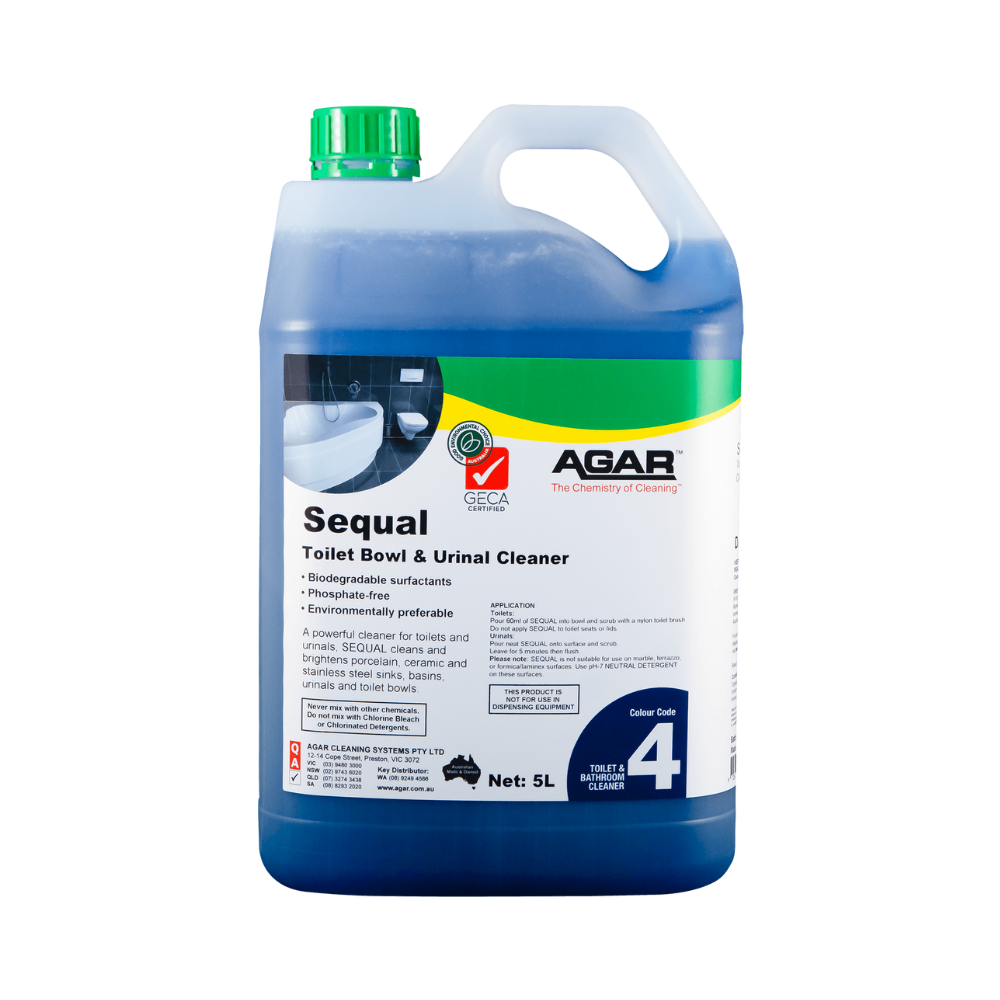
Use the cleaning chemical range to match the daily cleaner and descaler, compare the Actichem toilet bowl cleaner for a compatible urinal application, and review the toilet limescale removal guide for the mineral chemistry. In food, accommodation and public-facility settings, the NSW Health environmental health guidance provides a useful cross-check for cleaning and sanitation controls.

Conclusion
Urinal cleaning succeeds when daily soil, mineral scale and drainage odour are treated as separate problems. Identify the fixture, use the correct chemistry, give the product its stated dwell time and check the water path after cleaning.
A clean bowl that still smells is evidence of an untreated source. The method should find that source and record the fix, not mask it with another fragrance cycle.
Review the urinal when the water supply, fixture or traffic changes. A new water-saving flush, a waterless conversion or a change from daily to intermittent use can alter scale and odour behaviour. Update the cleaning frequency and product compatibility before the first complaint, not after the smell returns.
Record the revised interval with the building and cleaning team.
Include the fixture type and flush details beside it.
Manage washroom wash water and chemical runoff through the approved drain or trade-waste route. The NSW Environment Protection Authority water guidance provides the broad principle.