Coolroom and Cold-Store Floor Scrubbing Limits in Australia
In a coolroom the limit is the water you leave behind, so plan every scrub around drying.
Shop now
You finish scrubbing a coolroom aisle, close the door and come back twenty minutes later to a floor that looks dry but feels like glass underfoot. Water left on a cold slab does not evaporate the way it does in a warm warehouse. For cold-chain sites in Sydney, Melbourne and Brisbane, the limit on coolroom scrubbing is usually the water you leave behind, not the machine.
Can you use a floor scrubber in a coolroom or cold store?
You can use a floor scrubber in a coolroom if water is recovered immediately and the floor is checked before foot or forklift traffic returns. Keep scrubs short, use as little solution as possible, squeegee every wet patch, and confirm battery and operating limits with the supplier. Freezer rooms need a separate, site-approved method.
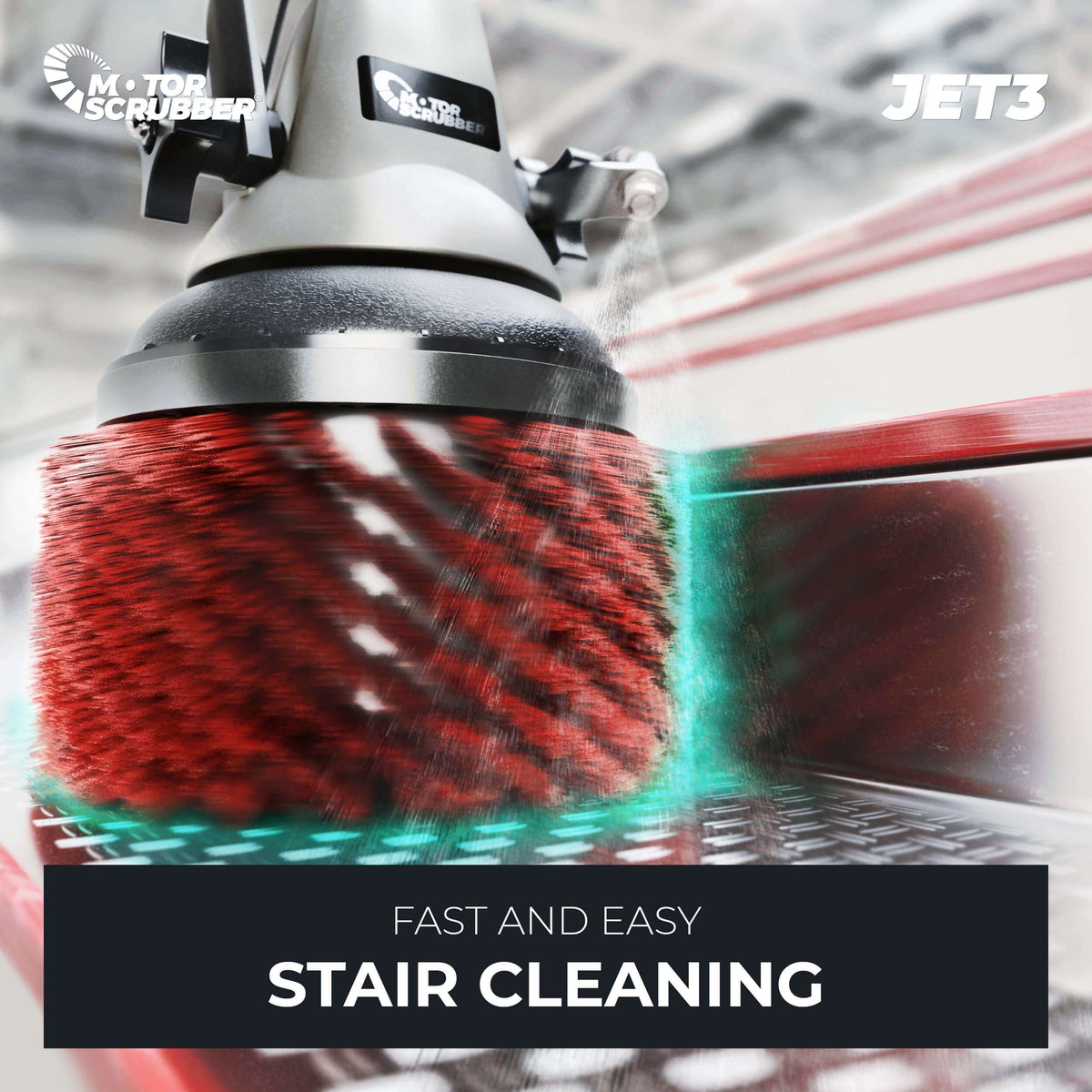
This guide is written for the person holding the handle: what goes wrong in cold rooms, how to size a scrub so the floor is safe again quickly, and when a mop, squeegee or dry method makes more sense.
Temperature limits on machines and batteries
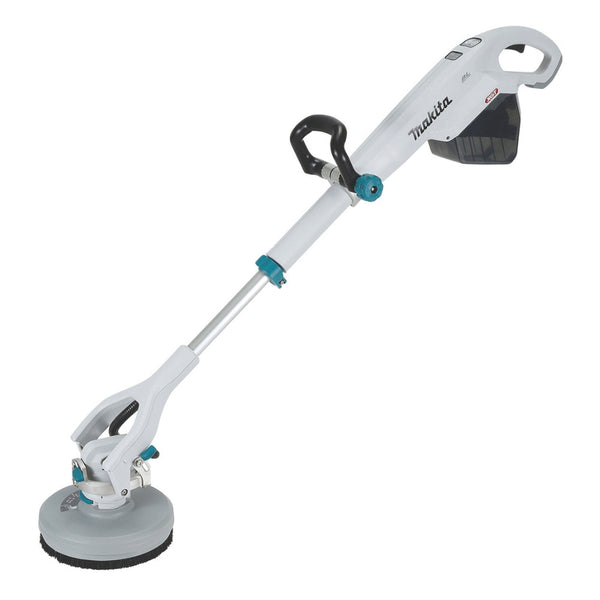
Start with the equipment. The Freshway listing for the MotorScrubber JET3 gives an 18 cm scrub head, 360 RPM, a 7.9 bar (116 PSI) spray pump, a 1 litre backpack solution tank, a 3.5 hour cordless runtime and 144 m² per hour linear performance. It does not state an operating temperature range. Do not assume one. Ask before you take any battery machine into a freezer, and charge it outside the cold room in a dry area.
SafeWork NSW's page on lithium-ion batteries explains that these batteries can catch fire or explode if not handled, stored or charged correctly, and lists overcharging and physical damage among the triggers for thermal runaway. Cold rooms add knocks from racking, pallets and doors, so inspect the pack and charger before each shift.
Condensation and re-freeze risk
Every time a coolroom door opens, warmer air meets cold surfaces. SafeWork NSW's guidance on working in cold environments lists slips, trips and falls from a build-up of ice, water or condensation caused by temperature changes between work areas. Scrubbing adds water to a surface that is already prone to it.
In a chiller, leftover water stays wet longer. In a freezer, it can turn into an ice film. That is why the decision is less about scrub power and more about how quickly you can return the floor to dry.
Sizing a short scrub
Use the machine's listed figures to plan scrubs you can finish and dry in one go. At 144 m² per hour, the JET3 covers about 2.4 m² a minute. Work it through:
| Area to scrub | Scrub time at 144 m²/h | Share of 3.5 h runtime | Practical note |
|---|---|---|---|
| 10 m² (spill zone) | about 4 minutes | about 2% | Squeegee and check before reopening |
| 30 m² (one aisle section) | about 13 minutes | about 6% | Close the section with signage |
| 60 m² (small coolroom) | about 25 minutes | about 12% | Split into halves so one side stays open |
| 120 m² (larger room) | about 50 minutes | about 24% | Plan breaks out of the cold for the operator |
These are scrub times only. Add time for squeegeeing, checking the floor and warming up. In this example, runtime is not the limit; drying and people are.
Chemical choices in cold
Choose a detergent that the site's food safety plan already approves, and dose it to the label. In food storage areas, ask whether a rinse is needed, because a rinse means more water on a cold floor. The JET3's 1 litre tank and targeted spray help here: you apply solution where the soil is rather than flooding the whole room. Browse the Agar floor cleaners range and read each safety data sheet before use.

Short controlled scrubs
- Agree a time window with the site when traffic is lowest.
- Close the section with signage and tell forklift drivers.
- Dry-sweep or pick up loose debris first.
- Spray solution only on the soiled area and scrub.
- Squeegee straight away toward a drain or into a pickup point.
- Walk the area and check for remaining wet patches before reopening.
Pedestrian ice film hazards
SafeWork NSW's page on slips, trips and falls on the same level names slippery floor surfaces resulting from cleaning products or methods as a source of risk. WorkSafe Victoria's slips, trips and falls guidance says floor surfaces in work areas should be clean, well lit and clear of obstacles. In a cold room, a film you cannot see is the hazard to look for. Check with your hand or a dry cloth, not just your eyes.
When manual methods win
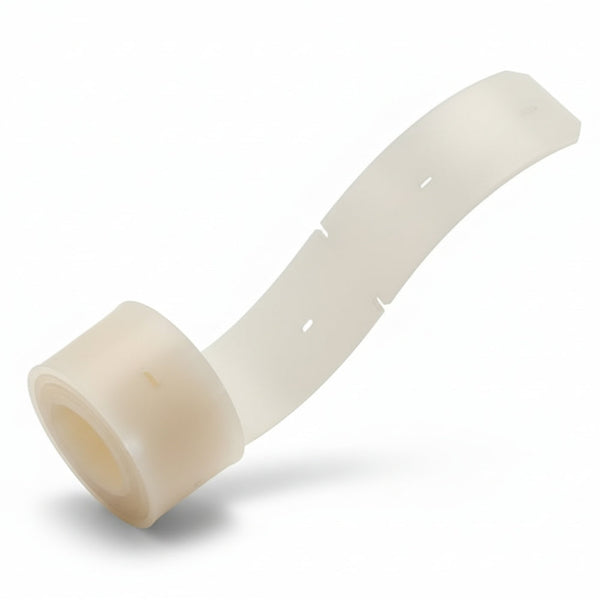
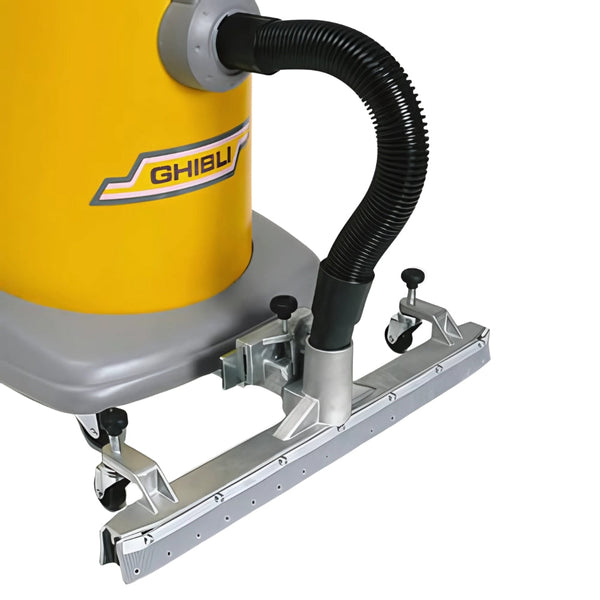
For a small spill, a squeegee and absorbent cloth may return the floor to dry faster than setting up any machine. Freshway lists the Oates B-13119 squeegee head at 600 mm wide with a black neoprene blade and an aluminium channel that suits standard 25 mm handles. In freezer rooms, wet cleaning may not be permitted during operation; follow the site's procedure.

Spec questions for cold sites
- What operating and charging temperature range does the supplier give for the machine and battery?
- How much solution does it put down, and how is water recovered?
- Can the scrub head reach under racking and around door tracks?
- Where can it be charged safely outside the cold room?
- Which detergents does the site's food safety plan approve?
Compare machines in the floor scrubbers and MotorScrubber collections, and look at floor cleaners for detergents.
Documentation for QA
WorkSafe Victoria's cold storage facilities handbook covers legal duties, consultation, training and supervision for cold storage workplaces. For cleaning, record the date, area, chemical and dilution, who did the work, and the floor check before reopening. Keep the safety data sheets with the log.
Frequently asked questions
Isn't a bigger ride-on scrubber always better for a cold store?
Not necessarily. A bigger machine covers more area, but the limit in cold rooms is recovering water before it chills or freezes.
If the floor looks dry, is it safe to reopen?
No. A thin film can remain. Check by touch or with a dry cloth before traffic returns.
Can I charge the battery inside the coolroom to save time?
Charge it outside the cold room in a dry area, and follow the supplier's charging instructions.
Do freezers follow the same method as chillers?
No. Water can freeze quickly in a freezer, so use the site's approved freezer procedure.
Pickup and delivery from Brisbane to Sydney
Plan the scrub around drying, then choose the machine. We offer same-day delivery across Sydney and fast delivery to Melbourne and Brisbane. You can also collect from 208 Princes Highway, Arncliffe NSW 2205 by prior arrangement. Pair the scrubber with a floor squeegee and call 1300 567 002 for advice.