A commercial vacuum that has lost suction is usually not worn out. It is almost always an airflow problem: a full bag, a loaded filter, a blocked hose or a leaking coupling. Replacing the machine before diagnosing those costs far more than the filter that would have fixed it, and the new machine will lose suction in the same way if the cause is the dust or the maintenance routine.
This guide is for cleaning supervisors and facility teams responsible for vacuum fleets in offices, hotels, schools, aged care and industrial sites. It covers the dust, the airflow path, the filters and bags, and the diagnostic sequence that tells you whether to clean, replace a part or replace the machine.
Commercial Vacuum Filter Maintenance: Diagnose Before Replacing
Start with the symptom. Does the machine pick up at the tool but leave a haze when the floor dries? Does it sound strained? Does it trip a circuit? Does the hose collapse? Each symptom points to a different part of the air path, and the cheapest fix is usually the one that matches the symptom.
The second input is the dust. Fine dust loads a filter faster than paper and crumbs, and hazardous dust requires a class-rated machine with the correct filter and bag. A machine used beyond its class or its duty will lose airflow quickly, and no amount of cleaning will make it suitable.
The third input is the maintenance routine. A vacuum that is emptied when full, with a filter cleaned on schedule and hoses checked weekly, behaves very differently from one that is emptied when it stops working. The diagnosis should always include what the routine has actually been, not what it was supposed to be.
Identify the Dust Before Choosing Filtration
General office dust, paper fibres and light soil are forgiving. Fine mineral dust, timber dust, toner, flour and construction dust are not, because they penetrate the filter media and reduce airflow quickly. Where the dust is hazardous, the filter and bag are part of the machine's class, not accessories.
That distinction matters for maintenance. A general vacuum with a loaded filter can be cleaned and returned to service. A class-rated machine with the wrong filter, a damaged seal or a generic bag no longer meets its specification, even if it still picks up. The maintenance routine has to protect the class as well as the airflow.
Where a site has both general and hazardous dust, the practical answer is separate machines. A common vacuum that moves between areas spreads dust and confuses the maintenance routine, and the cost of a second machine is usually less than the cost of a contaminated site.

Airflow, Suction and Tool Performance
Airflow captures dust; suction holds the tool against the surface. A machine can feel strong with a sealed nozzle and still move too little air to capture dust at the brush. That is why a vacuum can seem powerful and still leave a floor dusty, and why the first diagnostic is airflow rather than suction.
Everything downstream of the motor affects airflow: the bag, the filter, the hose diameter and length, the couplings, the wand and the floor tool. A restricted tool or a full bag can halve effective capture without changing the sound of the motor. The operator notices a change in pick-up long before the machine fails.
Tool performance is part of the diagnosis. A worn brush, a blocked crevice tool or a floor tool with a damaged seal reduces airflow at the point where it matters. Testing with a known-good tool isolates the machine from the accessory, and it is the quickest way to decide whether the problem is the vacuum or the tool.
Bags, Filters and Sealed Handling
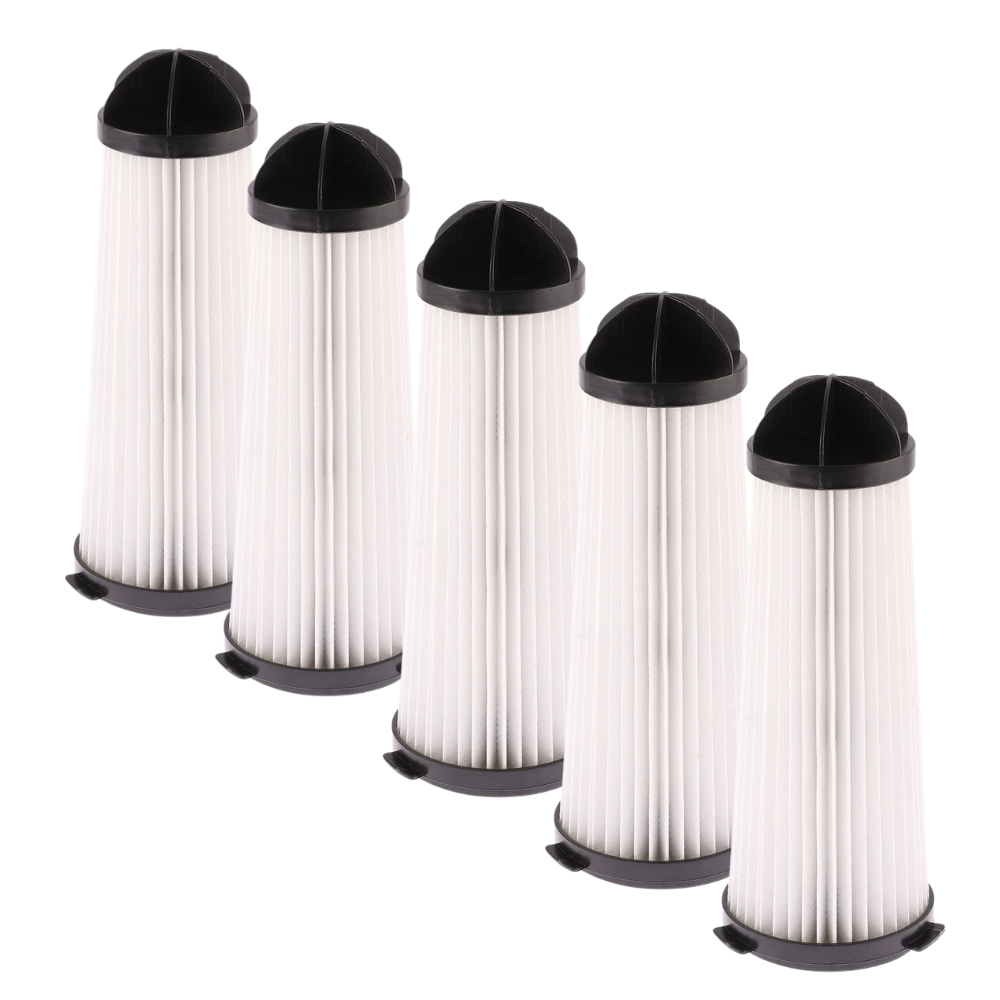
Bags and filters are consumables with intervals. Change bags before they are full, clean or replace filters on the manufacturer's guidance, and use the correct part for the model and the class. A generic bag can fit and still change airflow and containment, and on hazardous dust it changes compliance.
Sealed handling protects the operator. Remove and close a bag without releasing dust, empty the machine in a controlled location, and wear the protection the safety data sheet and risk assessment require. Where a machine moves between floors, change the bag before transport rather than carrying a full one through occupied space.
Storage matters as much as cleaning. A machine stored with a full bag and a damp filter starts the next shift at a disadvantage, and a filter left in a dusty store loads before it is used. Store the machine dry, with a clean filter and an empty bag, and keep the spare consumables labelled by machine.
How Do You Diagnose Suction Loss?
Work along the air path from the tool to the motor.
Check the tool, then the wand, then the hose, then the bag, then the filter, then the seals and the motor, because the cheapest and most common causes sit at the start of that path and the most expensive sit at the end.
Begin with the floor tool and wand: remove wrapped material, check the brush and the seal, and test the machine with a different tool. If pick-up returns, the fault is the accessory. Next, disconnect the hose and check for a blockage and for cracks or collapsed sections. A hose that has been driven over or kinked can look intact and still strangle the airflow.
Then check the bag and filter. A full bag is the most common cause of gradual loss, and a loaded filter is the second. Where the machine has a filter indicator, note what it shows. Where it does not, compare the airflow with a new bag and a clean filter; if that restores performance, the fault is consumables rather than the machine.
Finally, check the seals and the housing. A damaged gasket, a warped lid or a loose latch lets air bypass the filter, which reduces pick-up and, on hazardous dust, releases dust. If the machine still underperforms with a new bag, a clean filter and a known-good hose, the motor or the internal wiring is the next suspect, and that is a service job.
Inspection, Testing and Filter Replacement
Inspection should be scheduled rather than reactive. Before each use, check the bag level, the filter, the hose and the tool. Weekly, inspect the full hose, the couplings, the housing and the seals, and clean the machine. On the manufacturer's interval, replace the filter and any worn parts.
Testing is simple. With a clean bag and filter, note how the machine picks up from a defined test area, and compare it week to week. A gradual decline is the signal to shorten the filter interval or investigate the dust. A sudden drop is a blockage, a torn bag or a failed seal.
Replacement should follow performance and history. A filter that loads within days, a machine that needs repairs repeatedly or a motor that runs hot is telling you the machine no longer suits the duty. The maintenance log is what makes that decision evidence-based rather than a guess.
Procurement Checks That Prevent Substitution Drift
Substitution is the quiet failure of a vacuum fleet. A different bag, a different filter or a different hose changes airflow and, on hazardous dust, the class. Specify the machine by model, record the part numbers, and require suppliers to state whether a part is genuine or an alternative.
Keep the specified consumables in stock, and label them by machine. A spare that fits two models but suits neither is not a spare. Where a machine is replaced, record the new part numbers before the first shift and tell the operators.
Review the specification when the site changes: a new floor covering, a different dust, or a move from dry to wet pick-up can all invalidate the machine. The maintenance record is the earliest signal that the machine no longer suits the work.

What to Record in the Maintenance Log
- Machine and duty: model, hours or areas cleaned, and the dust it collects.
- Consumables: bag and filter part numbers, change dates and the reason for each change.
- Faults: the symptom, what was checked and what fixed it.
- Repairs: parts fitted, cost and downtime.
- Decision: whether the machine was returned to service, repaired or flagged for replacement.
That record turns suction loss from a recurring surprise into a trend you can act on, and it protects the capital decision when a machine eventually needs replacing.
Questions we get asked most
- Why does my commercial vacuum lose suction?
- The usual causes are a full bag, a loaded filter, a blocked hose or tool, or a leaking coupling or seal. Check them in that order before assuming the motor has failed. A machine that only performs with a new bag or filter is being used beyond its duty.
- Can I wash a vacuum filter instead of replacing it?
- Only where the manufacturer permits washing. Some filters can be rinsed and dried; others are damaged by water and should be replaced. On hazardous dust machines, fit the correct class filter rather than a generic replacement.
- How often should a commercial vacuum filter be changed?
- At the manufacturer's interval for the filter type and duty, and sooner where the dust is fine or airflow drops. Record each change against the machine so a filter that loads unusually fast becomes visible.
- When should I replace the vacuum instead of the filter?
- When a new bag and filter, a clean hose and a known-good tool still leave poor pick-up, or when repairs, downtime and consumables are rising faster than the machine's duty explains. The maintenance log is the evidence for that decision.
Conclusion
Diagnose suction loss along the air path before replacing anything. The tool, the hose, the bag, the filter and the seals account for almost every case, and each has a clear test.
Then protect the machine with the correct consumables, a scheduled inspection and a log that shows the trend. Filter maintenance is cheaper than a new vacuum, and on hazardous dust it is also the control that keeps the machine inside its class.
Manufacturer information: Pacvac and Nilfisk Australia. Work health and safety: Work Health and Safety Regulations 2011, SafeWork NSW and WorkSafe Victoria.
Compare commercial vacuums, filters and dust bags in the Freshway range.