A cleaning storeroom usually fails in stages. First the mop bucket blocks the shelf, then a secondary bottle loses its label, then the reorder sheet and the chemical register disagree, and eventually the team carries more stock to every job because nobody can find what is already there. Cleaning storeroom organisation should therefore control access, replenishment and chemical risk as three connected processes.
This guide is for facilities managers, cleaning supervisors and contractors responsible for a janitor closet, chemical store or central cleaning store. It provides a practical checklist for zoning, shelving, labels, SDS access, stock levels, trolley loading and the audit that keeps the room under control after the initial clean-up.
Clarify What the Storeroom Must Deliver
List the jobs the store supports before arranging shelves. A multi-building contract may need central reserve stock, vehicle picking and day-to-day issue, while a single school may need one locked chemical cupboard and a cleaner's cart. Record the routes, shift times, number of cleaners, common tasks, specialist products and returnable equipment. The layout should reduce walking and lifting while keeping incompatible products apart.
Set a standard for the room: what belongs inside, what must stay outside and how quickly a supervisor can find an item. A cleaning store is not a general storage room for broken furniture, paint, food or staff belongings. Every item should have a task, an owner and a defined location.
Separate Access, Issue and Return Zones
Use clear zones for receiving, chemical storage, equipment, clean cloths, dirty returns and waste. Mark the floor with lines or labels and keep the route from the door to the most-used items unobstructed. Heavy items belong at waist height or below, while frequently issued consumables can sit at easy reach. Keep the floor dry and provide enough light to read labels on every shelf.
Control who enters the room. A cleaning store holding hazardous chemicals should be secured against unauthorised access but remain accessible to trained staff during work hours. Keep the door, lighting and ventilation unobstructed. If the room is too small to store a mop bucket and chemicals safely, reduce the stock held there rather than stacking around the hazard.
Use the Scope of Work to Set Stock Lines
Build the stock list from the site's cleaning schedule. For each task, identify the product, dilution, tools and PPE. Then remove duplicates that serve the same surface and soil without a justified reason. A smaller range makes labels, SDS and training easier to control and reduces the chance that an operator chooses the wrong bottle.
Set a minimum and maximum quantity for each line. The minimum covers the reorder lead time and the maximum prevents the store becoming a warehouse. Record the unit of issue, pack size and shelf location. A product that comes in a 20-litre drum but is used from a 750-millilitre working bottle needs both a bulk location and a controlled decanting point.
Store Chemicals by Compatibility and Risk
Keep acids separate from chlorine-releasing products, and keep oxidisers away from flammable or organic material. Do not store chemicals above eye level where a container could fall, and do not place them where they can drip onto electrical fittings or food. Use secondary containment for liquids where the risk assessment requires it. The WorkSafe Victoria hazardous substances guidance supports the process of identifying hazards, assessing exposure and applying controls.
Maintain a current hazardous chemical register and SDS collection. The register should show product name, location, quantity and the SDS reference. Staff need to know where the SDS is and how to use it in an emergency. Check labels for legibility and replace damaged containers rather than writing a product name on an unmarked bottle.
Control Secondary Containers and Dispensing
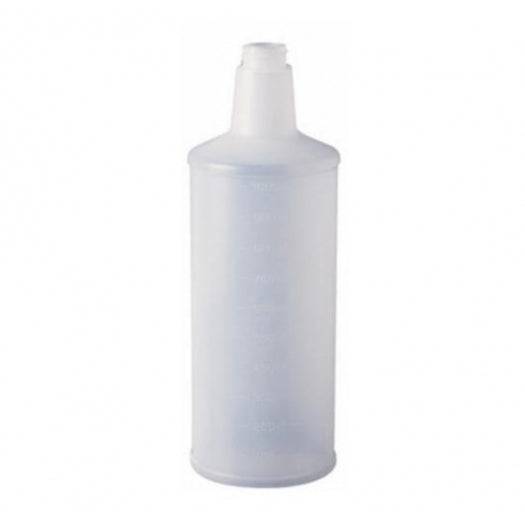
Decant only into a clean, compatible container with the correct label. Record product name and dilution where the site procedure requires it. Use a dedicated measuring cup or dispensing system and keep it with the concentrate. Never use a food or drink container, and never mix two products in one bottle.
Place the dilution point away from the door, drains and electrical equipment. Provide the PPE specified by the SDS and a spill kit suited to the products stored. The SafeWork NSW hazardous-chemical resources can be used to review labelling, storage and staff instruction. The Work Health and Safety Regulations 2011 provide the broader duties for managing risks and information in the workplace.

Design Shelves Around the Cleaning Route
Use shelves that can be cleaned and that hold the actual container sizes. Keep liquids on a lower shelf with a lip or containment tray. Store clean cloths away from waste and dirty mops. Put heavy buckets and boxes at floor or waist level, and keep small items in labelled bins that can be lifted safely. Do not hang mops over clean stock or place wet equipment against electrical panels.
Group by task and product family, then label the shelf edge with the item name and reorder code. Avoid handwritten codes that become unreadable. If a product changes, update the shelf label and SDS at the same time. A supervisor should be able to find an item without opening every box.
Set Replenishment Without Creating Overflow
Use a two-bin or min-max system for fast-moving consumables. When the first bin is empty, move it to the reorder point and use the second. Place the reorder card with the empty bin so it is visible during the busy shift. For chemicals, keep the minimum stock low enough to prevent overcrowding; for gloves and bags, calculate the weekly issue and delivery lead time.
Record issue by route or building rather than only by product. This shows whether a shortage is caused by the reorder point, a new site, a larger team or waste. It also prevents a supervisor from ordering a different product because the correct item was temporarily unavailable. The commercial chemical storage guide explains how product choice, dilution and storage interact.
Load the Trolley for the Actual Route
Load only what the route needs. Carry labelled working bottles, clean cloths, waste bags, PPE and the tools for the surfaces on that route. Keep chemicals in a stable tray or compartment, not loose on the top shelf. Secure trigger sprays so they cannot fall and activate. Use a trolley with a lid where waste or wet items could contaminate clean supplies.
A trolley that is too heavy increases fatigue and the chance of a spill. Check wheel condition, brakes and the route through lifts, ramps and doorways. Return unused chemicals to the store at the end of the shift according to the label and site procedure. Do not leave a trolley in a public corridor or an unsecured plant room.
Make the Cleaning Storeroom Checklist Visible
Put a short daily and weekly checklist on the wall or inside the door. Daily: clear access, no leaks, labels legible, working bottles closed and the floor dry. Weekly: SDS present, stock at par level, no expired or unknown products, spill kit complete and shelf labels correct. Monthly: audit issue records, check damaged equipment, review product changes and remove obsolete stock.
Record the name and date for each check. A checklist with no initials or exceptions is not an audit. If a bottle is unlabelled, remove it from use and follow the site's unknown-chemical procedure. Do not smell or taste an unknown product to identify it.
Keep Waste, Laundry and Dirty Equipment Out
Dirty mops, soiled cloths and waste bags should not sit beside clean stock. Provide a marked return area away from clean shelves. If the room includes a sink, keep the drain clear and store chemicals away from splash. Wash and dry mops according to the textile and equipment instructions, then return them to the clean zone.
Manage waste water through the approved drain or trade-waste route. The NSW Environment Protection Authority water guidance is relevant to sinks, outdoor wash areas and chemical spill runoff. A storeroom layout that ignores drainage can create an environmental incident even when the product is stored correctly. For food premises, accommodation and public facilities, the NSW Health environmental health guidance is useful when checking cleaning areas, waste handling and pest control.

Questions We Get Asked Most
- Should cleaning chemicals be stored in a locked cupboard?
- Access should be controlled according to the workplace risk assessment, and unauthorised people should not be able to reach hazardous chemicals. Trained cleaners still need safe access during the shift. The solution may be a locked chemical store, a locked cabinet or controlled access to the room, not an inaccessible pile of products.
- How often should the storeroom be audited?
- Use a short visual check each day, a more detailed stock and label check weekly, and a monthly review of SDS, obsolete products, issue records and equipment. Increase the frequency where the store serves multiple buildings or holds higher-risk chemicals.
- Can I keep cleaning chemicals with mops and buckets?
- Keep compatible dry equipment and clean stock separate from chemicals and dirty returns. Liquids need containment and should not be stored above clean cloths or where a leak can reach equipment. The layout should follow the site risk assessment and product instructions.
- What should I do with an unlabelled bottle?
- Remove it from service and follow the site procedure for unknown chemicals. Do not smell, taste or mix it to identify it. Keep the area ventilated, notify a supervisor and use the emergency and waste arrangements required by the SDS and local authority.
Plan the First Clean-Out
Empty the room in stages rather than pulling everything onto the floor. Remove waste and obsolete items, then group products by task and check every label. Set aside unknown, damaged or expired containers for authorised disposal. Clean shelves and floor, repair leaks and replace broken containers before restocking.
Mark locations and record the final stock list. Photograph the finished layout and give the team a short orientation. Recheck the room after one week; the first audit is where the layout meets real shifts, deliveries and tired operators. Adjust the shelf heights and min-max levels rather than assuming the plan was perfect.
Keep the System Under Review
Review the storeroom whenever a product, bin, trolley, building or cleaning frequency changes. Update the register, SDS, labels and shelf locations together. A new product can invalidate the old storage arrangement even if the bottle fits the same shelf.
Browse the cleaning equipment range for carts and storage tools, check the chemical storage requirements guide and use the choose, dilute and store guide to align the storeroom with the cleaning method.
Conclusion
Organise the cleaning storeroom around access, issue and chemical control. Measure the space, separate clean and dirty work, label every container, set min-max stock and audit the room with a short checklist. The result should be a room where a trained cleaner can find the right product quickly and a supervisor can prove it is under control.
A good storeroom reduces search time, over-ordering and accidental mixing at the same time. The standard is not how much fits on the shelves; it is whether the right item can be selected, used and replenished safely.