Stormwater Rules for Wash Bays: NSW EPA Drain-Is-for-Rain Mindset
Treat wash water as waste and design the bay around containment, not extra bar.
Shop now
NSW EPA's drain-is-for-rain rule does not change because a pump is listed at 1740 PSI or 2538 PSI. Detergent, oil and grit turn wash water into waste the moment it leaves the surface. A compliant wash bay captures that stream; sheet-flow across a driveway into a grated storm pit does not, even when the machine itself is correctly specified.
Why wash water is not rainwater
Pressure washer wash bay stormwater NSW jobs fail when detergent, oil or grit reaches a storm pit. Capture wash water on a bunded indoor bay or outdoor pad, keep it out of rainwater drains, and send it to trade waste or a licensed interceptor. Temporary driveway work needs portable containment before the trigger is pulled.
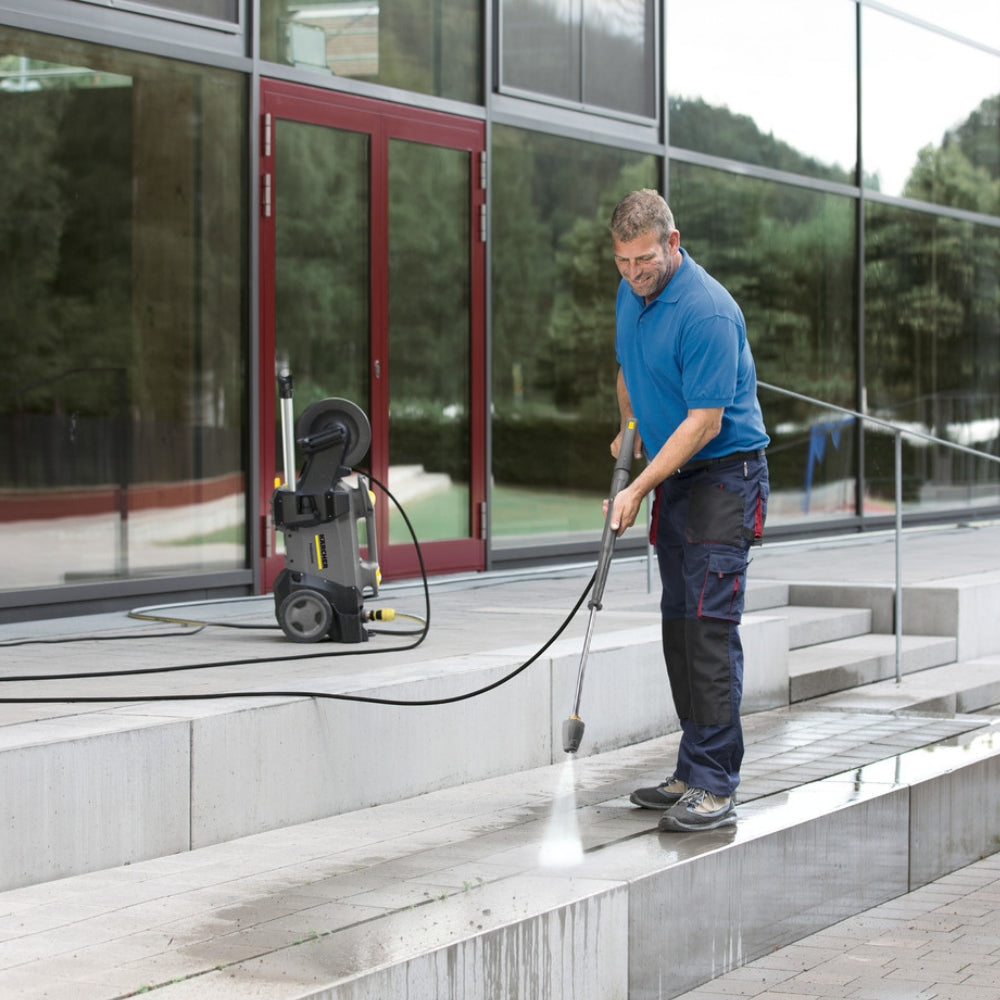
EPA NSW states that the drain is just for rain. Wash water carries surfactants, hydrocarbons and solids, so it belongs in a contained system, not in a kerb inlet. The same water-protection logic sits on the broader EPA NSW water pages: keep polluted water out of waterways.
If the site is in Sydney Water's area, ask the water authority which trade-waste agreement applies before you design the pit. Other states use similar permits; Water Corporation's trade waste guidance is a useful analogue when a multi-state contractor is writing one procedure and then localising the permit names.
Indoor bay vs outdoor pad
An indoor bay gives you walls, a roof and a single drained floor that can be plumbed to trade waste. An outdoor pad can work if it is bunded, graded to a collection point, and roofed or managed so rain does not flood the interceptor. The contrast is not cosmetics: rain that mixes with detergent multiplies the volume you must hold and treat.
| Setup | What usually works | Where it fails |
|---|---|---|
| Indoor bunded bay | All wash water to one interceptor or trade-waste point | An unsealed door threshold that lets slurry escape |
| Roofed outdoor pad | Graded fall to a silt pit and oil separator | An open edge where rinse water sheets to the car park |
| Temporary driveway job | Portable bunds, mats or a recovery cleaner before rinsing | Washing toward a grated storm pit "because it looks like a drain" |
Specify the fall and the collection point on the drawing, then walk it with a hose before the first paid wash. A pad that looks flat still leaks at the downhill corner.
Separators and interceptors mindset
A silt trap and an oil/water separator are not decorations. They only work when wash water actually enters them, when settled solids are emptied, and when the outlet is plumbed to the approved waste path. If operators bypass the pit with a "quick rinse" at the roller door, the separator never sees the load.
Do not invent interceptor sizing here: use the plumber and the water-authority condition. Your job as the cleaning lead is to keep grit, rags and excess degreaser out of the pit so the licensed device can do its work. Spent solids and oily sludge are waste; EPA NSW waste guidance applies to how that material leaves the site.
Capturing runoff on temporary jobs
Many breaches happen off the home bay: a contractor washes a loading dock or a fleet car park and the water finds the nearest grate. Before the trigger is pulled, decide how you will hold the first dirty litres. Options that stay honest include a portable bund, a drain cover on the downhill grate, and a surface cleaner that recovers slurry as it washes.

Freshway lists the Mosmatic Aqua surface cleaner at 12 inches (300 mm), with integrated recovery that expels dirty slurry as you wash, a listed maximum of 4000 PSI, suitability for water up to 120°C, and three 60 mm stainless-steel castors. Recovery does not replace a trade-waste agreement, but it stops the "flood the floor and hope" pattern that sends grease into stormwater on temporary pads.
Chemical choices that complicate waste
The more aggressive the degreaser, the more carefully you must contain the rinse. High-alkaline and caustic products turn a simple silt pit into a chemical waste problem if they overflow. SafeWork NSW chemicals and hazardous chemical pages apply to storage, labelling and PPE in the same bay. WorkSafe Queensland hazardous chemicals and WorkSafe Victoria hazardous substances guidance cover the same discipline on interstate sites.
Freshway lists Agar Dirt-Off as a high-alkaline heavy-duty degreaser for oils and baked-on soils, and Agar Presto as a 5-litre caustic cleaner and degreaser aimed at carbonised food soils in meat processing and similar kitchens. Read each label and SDS before the first use in a wash bay: a caustic rinse that reaches stormwater is both a water-offence risk and a skin-burn risk for anyone downstream of the hose.
Dose only what the label allows. Extra degreaser does not make an illegal discharge legal; it only makes the wastewater harder to treat. Browse Agar degreasers when you specify bay chemistry, then write the approved product name on the wall chart so night crews do not improvise.
Documenting procedures
Auditors and water authorities ask for a written method, not a verbal habit. Keep a one-page bay procedure that names: where vehicles stand, which drain is the collection point, which drain is stormwater and must stay covered, which chemical is approved, who empties the silt pit, and who to call if wash water escapes. Photograph the open and closed positions of any drain covers.
Train new operators by walking the fall of the slab, not by handing them the washer keys. A five-minute walk-through prevents the classic error of rinsing toward the roller door because that is the shortest path back to the truck.
Spec equipment that fits compliant bays
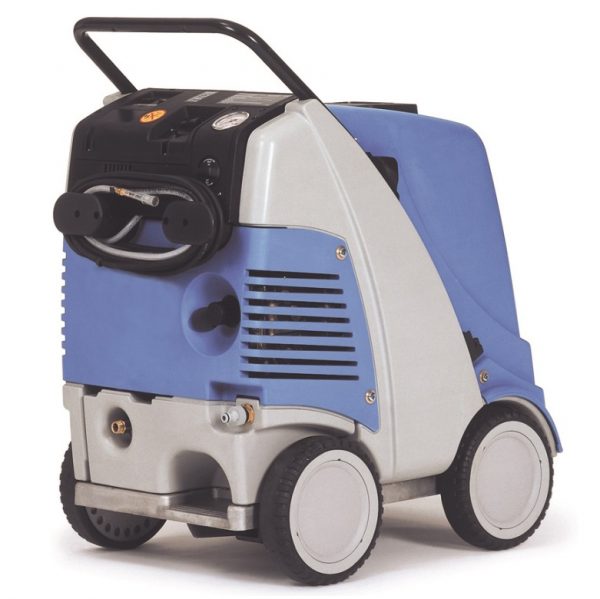
Once the water path is honest, match the washer to the bay's power, space and recovery method. Freshway lists the Karcher HD 5/12 C Plus Easy! as a cold-water electric cleaner at 2538 PSI (175 bar), with a brass cylinder head, stainless-steel pistons, and a compact 25.2 kg chassis that can run vertically or horizontally. That combination suits many indoor bays where a petrol unit would create exhaust and noise problems.

Where the bay only has a standard 10 A 240 V outlet, check a machine listed for that plug rather than assuming every commercial washer will start. Freshway lists the Kranzle K2160TST at 1740 PSI and 11 L/min on a 10 A 240 V plug, with a 1400 rpm 4-pole motor and a 15 m hose reel. Compare those figures with the hose length and the recovery tool you actually use; a long run that starves recovery is a containment problem, not just a cleaning problem.
Browse commercial pressure washers, cold-water pressure washers and pressure washer accessories when you build the bay kit. Confirm current fittings and listed pressures on each product page before you order lances or recovery heads.
Common non-compliance patterns
- Washing toward a grated pit because it "looks like a drain".
- Leaving the bund gate or door threshold open so slurry escapes during the rinse.
- Using a caustic degreaser, then rinsing the residue onto the car park.
- Skipping silt-pit emptying until the separator overflows.
- Treating a neighbour's driveway as an unofficial wash bay after hours.
Each pattern is a water-path failure, not a missing "more pressure" feature. Fix the path first, then the machine settings.
Frequently asked questions
Can I rinse a vehicle on a driveway if I skip detergent?
Even a detergent-free rinse can carry oil, grease and grit. Treat the water as contaminated and capture it unless the site's written approval says otherwise.
Does an indoor bay automatically meet NSW EPA drain rules?
No. The indoor floor still needs a graded fall to an approved waste point, and door thresholds must stop slurry escaping to stormwater.
Do caustic degreasers change the waste path?
They stay in the same contained path, but they make overflows more hazardous. Read the SDS, use the labelled dose, and keep rinse water inside the bund.
What should a wash-bay procedure include?
The standing position, the collection drain, the stormwater drains to cover, the approved chemical, pit-emptying ownership, and the spill contact.
Next steps with Freshway
Start with the water path, then specify a cold-water washer from the commercial pressure washers range and recovery tools from pressure washer accessories. Add an approved degreaser from Agar degreasers only after the label, SDS and trade-waste condition line up. Check each product page for current fittings before the next bay job.