Oil-Water Separators on Wash Pads: What Pressure-Washing Crews Must Know
Match wash-pad flow, temperature and chemistry to the separator, not just to the jet.
Shop now
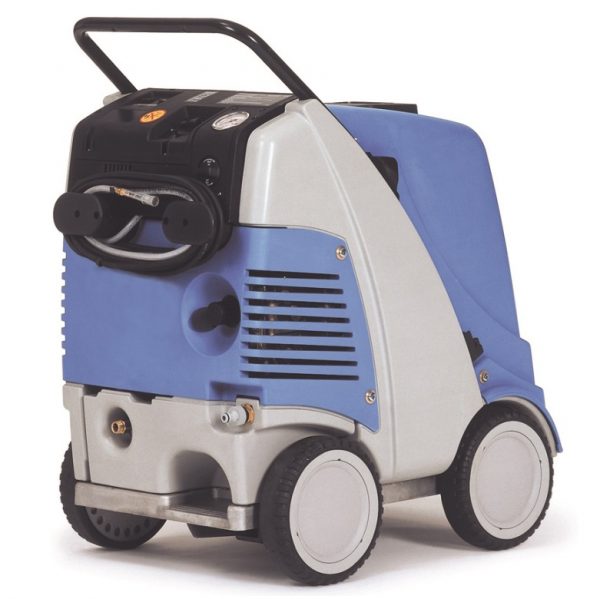
38 °C. That is the temperature limit listed in the industrial acceptance standards for trade wastewater. A hot-water pressure washer such as the Kranzle CA11-130, which Freshway lists at 140 °C to 150 °C at steam level, can put wash water onto a Sydney wash pad well above that figure. The gap is why the separator, and how the crew uses it, matters as much as the jet.
What must pressure-washing crews know about an oil water separator on a wash pad?
An oil water separator on a wash pad is pre-treatment that holds wash water long enough for free oil to float and solids to settle before discharge to sewer under a trade-waste approval. Crews must keep emulsified grease, excess heat and sludge from wrecking that separation, and must never send wash water to stormwater.
This article is for facility managers and buyers who specify wash equipment and chemistry. Freshway's guide to stormwater rules for wash bays covers why the drain is for rain; this piece goes further into separators, soils, hot water, emulsifiers and crew behaviour.
What separators actually do on a wash pad
Gravity oil-water separators and interceptors work when oil is free to rise and grit can settle. They are not a licence to put anything down the pit. Sydney Water's page on grease traps and other pre-treatment lists oil-water separators among the equipment that cleans trade wastewater before it enters the wastewater system, and its automotive business wastewater page says most automotive businesses in its area must install an oil-water separation system with a collection pit and pump, plus in-sink and in-floor bucket traps and appropriate backflow prevention.
The NSW EPA's guidance the drain is just for rain is the other half of the picture: runoff from washing must not enter stormwater, and washing should be confined to a designated wash bay, with wastewater directed to a collection pit and then to sewer under a trade-waste agreement, or treated and recycled. If your site is outside Sydney Water's area, check the local water authority's conditions rather than copying another site's setup.
Soils and chemistry that break gravity separation
Free engine oil, hydraulic oil and diesel that are not mixed into a stable emulsion are what a gravity unit is built to hold back. Fine solids, absorbents and rags belong in a solids or waste stream, not in the separator. The difficult soils are the ones that stop oil behaving as a separate layer: saponified fats, detergent-emulsified oils, and fine carbon that stays suspended.
That is the practical risk with strong degreasers put through a pressure washer or foam gun. Freshway lists Agar Presto as a caustic cleaner whose sodium hydroxide base saponifies fats, converting them into a water-soluble liquid that can be hosed away. Agar Enyclean is listed with a pH of 12.8 ± 0.5 and is described as a powerful emulsifier for oil, grease and soot. Both effects move oil into the water phase, which is the opposite of what a gravity separator needs. Agar Dirt-Off is listed as a high-alkaline degreaser suitable for commercial pressure washers. Before any of these go through the pad, check the trade-waste approval and the product safety data sheet, as WorkSafe Victoria advises.

How hot water and emulsifiers change the trade-off
Hot water loosens grease that cold water only pushes around, which is why buyers specify hot-water machines for workshops and food plants. The trade-off is temperature and emulsification at the separator. Sydney Water's industrial acceptance standards list a temperature limit of 38 °C and a pH range of 7–10, and they state that oil, fat or grease must not be discharged into the wastewater system. Those figures apply to industrial acceptance in Sydney Water's area; your commercial approval may set its own limits, so read the document you actually hold.
Freshway lists the Kranzle CA11-130 at 1885 PSI (130 bar) and 11 litres per minute, with a maximum temperature of 140 °C to 150 °C at steam level, on a 240 V 15-amp single-phase supply and a 25 litre diesel fuel tank. Water leaving a lance at those temperatures is far hotter than 38 °C. Residence time in the pit and separator, and a cooling path if your approval requires it, are part of the equipment decision, not an afterthought.

Maintenance pumping and access
A separator that is never pumped is just a tank of old oil and sludge. The NSW EPA's smash repair industry guidance says a trade-waste agreement will typically include regular cleaning and maintenance of the system and testing of the effluent. Follow the interval in your approval and the contractor's service report, rather than inventing a calendar.
Sydney Water's listed pre-treatment for the auto industry page tells customers to keep adequate clearance above the unit, at least equal to the deepest part, so it can be cleaned and inspected safely, and to use only the specified lids or covers. Do not park vehicles, pallets or chemical drums on the access lids.
Signs the separator is failing
- Oil or a rainbow film at the outlet or in the sampling point.
- Sludge taking up the settlement zone, or a crust that should have been pumped.
- Odour, overflow or wash water backing up onto the pad.
- A sudden change after a hot-water or heavy-degreaser shift.
- Failed or overdue effluent tests required by the water authority.
Treat those signs as a stop-and-service event, not a reason to open a bypass or tip the pit to stormwater.
Crew behaviours that protect the system
Most separator failures start with habits, not with the tank itself. Pre-scrape and dry-wipe heavy grease before washing. Use the labelled dose of degreaser, not a "stronger is better" pour. Allow hot wash water to cool in the collection path if your approval requires it. Keep absorbents, solvents and leftover concentrate out of the pit. Tell every operator where the wash bay is, and that the stormwater grate is not a wash point, which is the staffing point the NSW EPA already makes in its wash-down guidance.
Spec wash equipment for separator sites
Match the machine's flow to the separator's rated hourly capacity, which Sydney Water says must be sized to the business's maximum hourly flow and installed by a licensed plumber. Convert litres per minute to litres per hour by multiplying by 60.
| Machine (Freshway listing) | Listed flow | Equivalent hourly flow | What to check on the pad |
|---|---|---|---|
| Kranzle CA11-130 | 11 L/min | 11 × 60 = 660 L/h | One machine at this flow sits below many listed 1,000 L/h units, if only one lance is running |
| Kranzle Therm-RP 1600 | 26.7 L/min | 26.7 × 60 = 1,602 L/h | This flow exceeds a 1,000 L/h rating; confirm the separator was sized for this output |
| Two CA11-130 machines at once | 11 L/min each | 1,320 L/h combined | Peak hourly flow is the number that matters, not the nameplate of a single washer |
Freshway lists the Therm-RP 1600 at 2175 PSI and 26.7 litres per minute, with a maximum water temperature of 140 °C in steam mode, a 12 litre buffer tank, a 35 litre diesel tank, a 10 metre hose and 415 V 20-amp three-phase power. It is a different duty to the single-phase CA11-130. Choose from the hot water pressure washers and industrial pressure washers ranges only after you know the pad's approved flow and chemistry rules. Degreasers for the same sites are in the Agar degreasers collection, and everyday machines in commercial pressure washers.
Documentation buyers should keep
Keep the trade-waste approval, a current site plan showing the wash bay, pit, separator and stormwater inlets, the pump-out docket and any effluent tests, plus the SDS and dose charts for every chemical used on the pad. If you change to a higher-flow or hotter machine, treat that as a change that may need the water authority's advice, not a like-for-like swap.
Frequently asked questions
Can I wash a greasy vehicle on the driveway if I use a separator later?
No. Wash water must stay on the designated wash bay and go through the approved pre-treatment path. Stormwater drains are for rain, not for oily wash water.
Do hot-water pressure washers always damage an oil-water separator?
Not always, but high temperature and emulsifying chemistry can stop free oil from separating. Check the temperature and chemical conditions in your trade-waste approval before you specify the machine and the dose.
Is a strong degreaser a substitute for pumping the tank?
No. Degreasers may even make gravity separation harder. Pumping, inspection and the interval in your approval are what clear accumulated oil and sludge.
Who decides the separator size?
In Sydney Water's area, pre-treatment must be sized to your maximum hourly flow and installed by a licensed plumber, using equipment the authority accepts. Other water authorities set their own rules.
Wash-pad equipment supply across Sydney, Melbourne and Brisbane
If you are updating a wash pad, bring the separator's rated flow, the trade-waste conditions and the soils you actually wash, and Freshway can help match a hot-water or industrial pressure washer and a degreaser that the site can use without bypassing the pit. Freshway supplies industrial and hot-water pressure washers to businesses in Sydney NSW, Melbourne VIC and Brisbane QLD. Same-day delivery is available in Sydney; Melbourne and Brisbane receive fast delivery. Call 1300 567 002 for a delivered quote, or start with the industrial pressure washers collection.