Graffiti removal is usually bought as a pressure washing job, and that is why it often fails. Pressure alone drives paint into porous substrates, spreads it across the surface and strips the coating or the render underneath. A graffiti removal pressure washer guide worth reading starts with the coating and the substrate, then decides whether chemistry, heat, pressure or a combination will do the work.
This guide is for facility managers, cleaning contractors and building owners dealing with graffiti on brick, concrete, render, metal, glass, powder-coated panels and public infrastructure. It covers the chemistry, heat and pressure decisions, the site controls, and the checks that stop a removal becoming a repair.

Graffiti Removal Pressure Washer Guide: Chemistry Before Pressure
Graffiti is a coating on a substrate, and removal is a coating-removal problem. Paint, marker, dye, sticker residue and etch are different coatings, and each responds to a different method. Pressure can lift some of them from a hard, non-porous surface, but on porous surfaces it drives pigment into the pores and makes the stain permanent.
The first decision is therefore the substrate. Glazed tile, glass, sealed concrete and powder-coated metal are relatively forgiving. Brick, render, sandstone, unsealed concrete and porous masonry are not, and they are where most graffiti damage occurs.
The second decision is the coating. A solvent-based paint, an acrylic spray, a permanent marker and an acid etch behave differently, and the remover has to match. Where the coating is unknown, a test patch on an inconspicuous area is the only responsible start.
Pressure comes last. It is used to rinse, to lift softened coating and to clean the substrate after the chemistry has done its work. A pressure-first approach on a porous wall usually makes the job harder.
Set the Operating Constraint Before Building a Shortlist
The first constraint is the substrate's tolerance. Some surfaces cannot take a strong solvent, an alkaline gel or a high-pressure jet, and the wrong choice removes the graffiti and the surface with it. Heritage brick, painted render and aged concrete need a gentler method than a concrete underpass.
The second constraint is the location. A wall beside a public footpath, a shopfront, a school or a transport corridor brings access, exclusion and runoff constraints. Graffiti on a bridge or a high wall may need access equipment before it needs a pressure washer.
The third constraint is the response time. Fresh graffiti is easier to remove than coating that has cured for weeks, and a site with a rapid response plan needs a kit that can be deployed quickly by the facilities team rather than a specialist booked for the following week.
Match Pressure and Flow to the Surface
Pressure and flow work together, and on graffiti the balance depends on the substrate. On sound concrete, a moderate pressure with good flow lifts softened coating and rinses the surface. On brick or render, pressure has to be low enough not to blow the face of the material, which usually means chemistry and dwell do most of the work and the machine is used mainly to rinse.
Flow matters for rinsing. A graffiti removal that leaves residue on the surface can re-stain or leave a patch, so the rinse has to be thorough. Where the water supply is limited, the job takes longer and the chemistry has to be more effective.
Where a surface cleaner is used, it should be on flat, hard surfaces only. A rotating head on a wall or a textured surface does not follow the substrate and can leave a visible pattern in the cleaned area.
Which Chemistry Removes Which Coating?
Match the remover to the coating and the substrate.
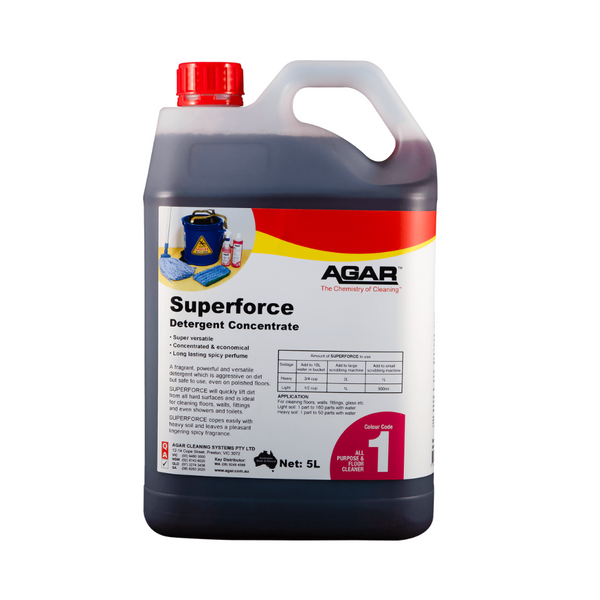
Solvent-based and gel removers suit paint and marker on non-porous surfaces, alkaline or caustic products suit some paints and organic coatings, and a poultice or a specialist masonry remover is used where the coating has penetrated a porous substrate.
A gel remover is often the best choice on vertical surfaces because it stays where it is applied rather than running off, which gives the chemistry time to work. A liquid remover suits horizontal surfaces and rinsing. A poultice draws staining out of porous masonry over a longer period and is used where washing alone will not remove the pigment.
Compatibility is the limit. Strong solvents affect some plastics, powder coatings and sealants; caustic products affect aluminium and some paints; acids affect masonry and metal. The product label states the surfaces it is intended for, and the substrate decides whether it can be used. Where the coating is unknown, test a small area and inspect after it dries. The cleaning chemicals range lists the removers by task.

Heat, Dwell and Mechanical Action
Heat softens many coatings and makes removal easier, particularly on metal and hard non-porous surfaces. A hot-water machine can be effective on grease-based and some paint coatings, and a heat gun can soften stickers and some paints before removal. Heat has to be controlled, because it can also drive a coating into a porous surface or damage a finish.
Dwell is the control that most operators shorten. A gel or a poultice needs time to soften or draw out the coating, and rinsing early wastes the product and the labour. The label states the dwell, and the method should work in sections sized to it.
Mechanical action should be the least that works: a soft brush on a delicate surface, a stiff brush on brick, a plastic scraper rather than a metal one. Abrasive action on a porous substrate can open the surface and make the next graffiti harder to remove.
Nozzles, Accessories and Working Distance
Nozzle choice follows the substrate. A wider fan at a greater distance suits render and painted surfaces; a narrower fan suits sound concrete. A turbo nozzle concentrates energy and is a poor choice for graffiti on anything that can be marked.
Accessories include a gel applicator, a brush, a scraper and a rinse lance. On a wall, a lance that keeps the operator at a safe distance and a nozzle that produces a controlled fan are more useful than a surface cleaner. On the ground, a surface cleaner can be used after the coating has been softened.
Working distance is the operator's main control on pressure. Moving the nozzle away from the surface reduces the impact and gives the operator time to see what the coating is doing. On a delicate surface, that distance is what prevents the repair.
Water Supply, Drainage and Exclusion Zones
Graffiti removal produces runoff that carries paint, solvent and the products used to remove them. On a public site that runoff has to be contained rather than allowed to reach a drain or a garden bed, and the site's drainage arrangements decide how the work is done. The NSW EPA water guidance sets out what should not enter stormwater.
Supply is a practical constraint on a wall with no nearby tap. A buffer tank or a vehicle-mounted supply may be needed, and the chemistry should be chosen so the rinse volume is manageable. Where the water is hard, the rinse may leave mineral residue on glass or metal, so a final wipe or a purified rinse is worth considering.
Exclusion protects the public and the result. Pressure spray rebounds, solvent vapour drifts, and the work often happens on a street or in a car park. Cordon the area, control the direction, and keep people and vehicles clear until the surface is rinsed and dry.
Operator Controls for High-Pressure Work
Graffiti removal combines high-pressure water with chemicals, which means the operator needs the controls for both. A trained operator, a machine and hose in serviceable condition, eye and face protection, gloves suited to the product, and ventilation where a solvent is used are the basics. The AS/NZS 4233.1 standard and the Work Health and Safety Regulations 2011 set the framework, with practical guidance from WorkSafe Victoria and SafeWork NSW.
Never mix products, particularly chlorine with acid or ammonia, and never decant a solvent into an unlabelled bottle. Store the removers in their labelled containers and keep the safety data sheets with the kit, because the person who needs the sheet is the person applying the product.
Where the work is on a public asset, the site may have its own permit or method requirements. Check them before starting, and record the products and the method used, because the record is often requested after the job. The wider method for building exteriors is covered in this guide to pressure washing building exteriors safely.
What Does the Job Cost per Square Metre?
Cost per square metre removed, not per hour or per litre.
Graffiti removal cost is driven by the substrate, the coating, the access and the number of applications, so the useful figure is the total cost of a completed area including chemistry, water, labour, access and any repair to the surface.
A pressure-only job can look cheap until the render is damaged or the paint is driven into the brick, and the repair costs more than the removal. A chemistry-first job can look expensive per litre but often needs fewer passes, less water and less surface repair, which makes it cheaper per square metre on porous substrates.
Build the comparison on a representative area of the actual wall. Measure the time, the product used, the water used and the result after drying. Where the coating has been there for a long time, expect a second application or a poultice, and price it into the job rather than discovering it on site.
Where graffiti is recurring, the economics change again. A protective sacrificial coating or an anti-graffiti film can make removal faster and cheaper, and the cost should be compared with the expected number of removals over the life of the surface.
After Removal: Protection and Prevention
Removal is only half of a graffiti program. A surface that has been cleaned and left unprotected will be tagged again, often within weeks, and the second removal is usually harder because the coating has bonded to the freshly exposed surface. Protection is what changes the economics of the problem.
The options are a sacrificial coating, an anti-graffiti film or a sealer, and each has a different maintenance model. A sacrificial coating is designed to be removed with the graffiti, so the cleaning is faster and the substrate is protected. A film protects the surface and can be replaced in sections. A sealer makes the surface less absorbent, which helps removal but does not prevent it.
The choice depends on the substrate and the exposure. A painted wall, a brick facade, a glass panel and a metal shutter each need a different product, and the product has to be compatible with the coating already on the surface. Where the building is heritage-listed, the protection method may need approval before it is applied.
Prevention also includes the environment. Lighting, visibility, planting and access control reduce the opportunities for tagging, and a rapid response removes the reward. A site that removes graffiti within a day is less attractive than one where it stays for a month, and the removal record is what shows the response time.
Record the protection product, the date applied and the expected service life. When the coating or film is due for replacement, that record is what prevents the protection from quietly failing and the substrate from being exposed again.

Conclusion
Graffiti removal is a coating-removal problem, not a pressure problem. Identify the substrate and the coating, choose the chemistry that suits both, allow the dwell, use heat where it helps, and use pressure to rinse rather than to blast.
Then control the runoff, the exclusion and the operator protection, and measure the cost per square metre rather than the cost per hour. That is what removes the graffiti without removing the surface with it.
Questions we get asked most
- Can a pressure washer remove graffiti from brick?
- Only partly, and it can make things worse. Pressure drives pigment into porous brick and can blow the face of the material. A gel or poultice remover matched to the coating, with dwell time and a low-pressure rinse, is usually the better method on brick and render.
- What removes spray paint from concrete?
- A paint remover suited to concrete, applied with dwell and removed with a brush and a controlled rinse. On sealed concrete a solvent or gel may work; on unsealed concrete the coating can penetrate, and a poultice or specialist masonry remover may be needed.
- Does hot water help with graffiti removal?
- It can soften some coatings, particularly on metal and hard non-porous surfaces, and it improves some chemical reactions. Heat has to be controlled, because it can also drive a coating into a porous substrate or damage a finish, so test first.
- Where does the runoff go?
- It has to be contained and disposed of according to the site's arrangements. Runoff carries paint, solvent and cleaning products, so it should not enter stormwater. Check the drainage and the local requirements before starting, and protect inlets and garden beds.
Industry standard: AS/NZS 4233.1. Work health and safety: Work Health and Safety Regulations 2011, WorkSafe Victoria and SafeWork NSW. Water discharge: NSW EPA.
Compare graffiti removers, pressure washers and surface cleaners in the Freshway range.