
Commercial Floor Pad Colour Guide: A Practical Australian Guide
Pad colour signals how aggressive it is. Start with the lightest that works.
Shop now
A commercial cleaning purchase is tested during routine shifts, the decision should not be driven by the longest feature list. It is whether the equipment, chemical or system fits the task, the site and the people expected to use it. This commercial floor pad colour guide guide turns that decision into a practical specification for Australian commercial buyers.
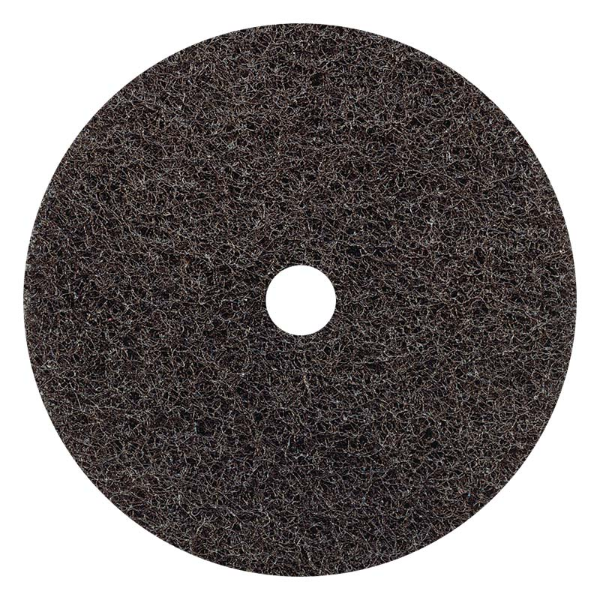
A good selection remains supportable through operation and review. That means checking pad aggressiveness, machine speed, finish condition and desired result, then confirming the operating method, consumables, documentation and support needed to keep the result consistent.
What should buyers decide before comparing commercial floor pad colour guide?
Start with the required outcome and site constraints.
A useful brief records the surface or soil, frequency, area, access limits and required finish. For operators matching pads to cleaning, spray buffing or stripping, those details prevent an attractive specification from becoming an awkward daily process.
Anchor the brief to the failure mode being corrected: excessive labour, incomplete soil removal, long drying time, cross-contamination, downtime or an uncontrolled hazard. Mark each criterion as essential or preferred. The mandatory list should cover pad aggressiveness, machine speed, finish condition and desired result. Preferences such as brand familiarity or accessory storage matter only after the working requirements are met.
How does commercial floor-pad selection change the shortlist?
Choose the relevant technology first and the model second.
The right category is the one that performs the required process without creating a second problem for the site. A buyer should map each option to the actual route, operator and service window.
Use an on-site demonstration that mirrors the real route. Observe setup time, usable reach, control effort, recovery or residue, pack-down and cleaning. Record exceptions rather than averaging them away. A system that is fast in an open demonstration area may be unsuitable around furniture, residents, customers, stairs or restricted storage. This is also where using colour alone across different pad manufacturers is usually exposed.
Which specifications matter for commercial floor pad colour guide?
Technical figures need to be read in the context of the full process.
Compare pad aggressiveness, machine speed, finish condition and desired result. Ask the supplier to explain how each figure affects the intended application and which conditions can reduce performance.
Treat maximum figures carefully because test conditions can differ. Capacity, pressure, airflow, battery run time or coverage figures may be measured under different conditions. Check the manufacturer documentation for the exact model and configuration. Where a product range includes several variants, record the selected model, included accessories and compatible consumables in the purchase order so the approved specification cannot drift.

How should the option be tested on site?
A credible trial mirrors the actual operating environment.
A controlled trial should use the expected operator, surface, soil and service window. Judge the complete method, including preparation and pack-down, rather than the most visible cleaning pass.
Create a repeatable trial record with inputs, settings, labour and final condition. Check adjacent materials and confirm that the result remains acceptable after drying. The practical method is manufacturer chart, test area and finish condition. If the trial needs unusual skill, extra extension leads, frequent refilling or manual rework, include that burden in the decision rather than treating it as a training issue that will disappear later.
What Australian safety and documentation checks apply?
Connect each identified hazard to a suitable workplace control.
Before use, connect the supplier documentation to a site procedure covering machine compatibility, guarding and wet-floor controls. The central reference for this topic is Safe Work Australia safety data sheets.
Keep current instructions and, where chemicals are involved, the correct Australian safety data sheet accessible to workers. Inspect equipment before use, isolate damaged items and record training for the approved method. A product page is not a substitute for a risk assessment or manufacturer instructions. Higher-risk work, including hazardous dust, asbestos, high-pressure jetting or electrical work, needs the specific competent-person and regulatory controls that apply to that activity.
How should whole-of-life cost be compared?
Compare the full cost of producing an acceptable result.
Include labour, consumables, energy, water, batteries, filters, pads, hoses, downtime, storage and scheduled service. An option with a lower invoice can cost more if it slows the route or requires frequent replacement parts.
Let the trial results and workload plan drive the cost comparison. Record which consumables are proprietary, how quickly critical parts can be supplied and whether the team can perform routine maintenance without specialist tools. Keep uncertain assumptions visible. This makes quotations comparable and stops a low purchase price from hiding higher operating effort.

What should a supplier quotation confirm?
The quotation needs to identify the exact approved configuration.
Ask for the exact model or product, included accessories, pack size, compatible consumables, documentation, availability and the process for parts or technical support. Link every optional item to a stated need.
For a repeat order, define acceptable substitutions and who may approve them. For equipment, confirm commissioning, operator instruction and service arrangements. For chemicals, confirm current labels and SDS documents for the supplied product. Use the relevant commercial floor pad colour guide range as the internal comparison point, then request clarification where the website does not resolve a task-specific requirement.
A practical approval checklist for commercial floor pad colour guide
Keep the approval record concise enough for routine use.
Capture the task, mandatory criteria, trial result, selected item, responsible approver and review trigger. A change in surface, hazard, occupancy, chemical, accessory or work method should trigger a new check rather than an automatic reorder.
- Define the task and non-negotiable site constraints.
- Confirm pad aggressiveness, machine speed, finish condition and desired result.
- Complete a representative site trial.
- Document machine compatibility, guarding and wet-floor controls.
- Compare whole-of-life inputs and support.
- Record the approved configuration and substitution rule.
| Decision point | Evidence to collect | Approval question |
|---|---|---|
| Task fit | Site scope and trial notes | Does it complete the required process? |
| Specification | Exact model, product and accessories | Are pad aggressiveness, machine speed, finish condition and desired result confirmed? |
| Safety | Instructions, SDS where relevant and site controls | Can the approved method be used consistently? |
| Operating cost | Labour, consumables, maintenance and downtime | What is the cost per completed task? |
| Supply support | Availability, parts and substitution process | Can the standard be maintained? |
Frequently asked questions
What is the first specification to check for commercial floor pad colour guide?
The opening check is the constraint that determines basic feasibility. For this topic, review pad aggressiveness, machine speed, finish condition and desired result. Do not use one headline number as a shortcut for the complete operating method.
Should the cheapest compliant option be selected?
Not on price alone. Add labour, operating inputs, lost time, maintenance and replacement. The lowest purchase price is useful only when the option also completes the required task consistently and fits the site controls.
When should the selection be reviewed?
Review it when the task, surface, hazard, occupancy, product, accessory or operating method changes. Also review recurring faults, operator feedback and consumption records so that an approved item does not remain standard after the original assumptions stop being true.
Can a supplier substitute a similar product?
Only through the buyer’s agreed change process. Confirm that the substitute has the same task fit, documentation, compatibility and controls. A similar name, colour, pack size or headline specification does not prove equivalence.
Next step: Review the commercial floor pad colour guide options and send Freshway Supplies the task, site constraints and required support for a specification check.
Related articles
 Do Concentrated Cleaning Products Reduce Impact? Check Dose, Packaging an...
 How to Launder Microfibre Mops Without Ruining Their Cleaning Performance
 Urinal Cleaning and Odour Control: Treat Scale, Drainage and Daily Soil S...
 Commercial Toilet-Roll Dispensers: Prevent Run-Outs Without Creating Waste