Soft-Wash Mix Discipline for Australian Roofs and Cladding
Calculate every tank, label it, test it, and let dwell do the work.
Shop now
Why do two crews using the same bleach get such different results on the same street of tiled roofs? One measures every tank and writes the strength on the drum. The other pours "about a bucket" and tops up from the hose. On soft-wash jobs, the chemistry is the tool, and the mix is the setting. Get it wrong and you strip paint, burn gardens or leave lichen behind.
What is the right soft-wash mix for Australian roofs and cladding?
Start from the surface strength, not the drum strength. Common starting points are about 0.5 to 1% sodium hypochlorite for painted walls and cladding, 1 to 2% for metal roofs, and 3 to 6% for concrete and terracotta tiles. Calculate each tank, test a small area, dwell, rinse, and protect plants and drains.
Those ranges come from Perth operator All West Soft Wash's soft-wash mix ratio guide, which stresses testing a small area first and letting the mix dwell before deciding it needs to be stronger. This guide is written from the operator's side and focuses on mix discipline. For when to choose soft washing over pressure, see Freshway's soft washing vs pressure washing guide.
The mix formula
The working formula is simple: litres of sodium hypochlorite = tank litres × target % ÷ product strength %. The rest of the tank is water and surfactant. Using a 6% product such as Freshway Bleach 301, which is listed at 6% sodium hypochlorite (60 g/L):
| Target strength | Typical surface | Bleach in a 20 L mix (6% product) | Water |
|---|---|---|---|
| 0.5% | Painted render, light mould | 20 × 0.5 ÷ 6 = 1.67 L | 18.33 L |
| 1% | Cladding, metal roofs (light growth) | 20 × 1 ÷ 6 = 3.33 L | 16.67 L |
| 2% | Metal roofs (heavier growth) | 20 × 2 ÷ 6 = 6.67 L | 13.33 L |
| 3% | Concrete and terracotta tiles | 20 × 3 ÷ 6 = 10 L | 10 L |
A 6% product cannot make a 6% mix once water and surfactant are added, so heavy tile work at the top of the range needs a stronger feedstock or a different method. Sodium hypochlorite also loses strength with heat and age, so store it cool and shaded and date each drum.
Substrate differences
Metal is the surface most likely to be over-treated. BlueScope's technical bulletin TB-4 on maintaining COLORBOND and ZINCALUME steel recommends washing with fresh water, then a mild solution of pure soap or non-abrasive detergent with a soft brush, rinsing thoroughly, testing on a small inconspicuous area and never using abrasive or solvent-based cleaners. Treat metal roofs and cladding at the low end, rinse well and check the manufacturer's guidance before adding chlorine. Tiles take more strength, but older glazes and coatings still need a test patch.
A disciplined mix routine
- Identify the substrate and growth, and pick the target strength.
- Check the drum's strength and age.
- Calculate litres of bleach for the tank size and write it on the tank label.
- Add water first, then bleach, then surfactant, in a ventilated area.
- Label the tank with product, strength, date and operator initials.
- Test a small area, allow dwell, then adjust only one step at a time.
- Record the mix used on the job sheet for next time.
Applying without the pump
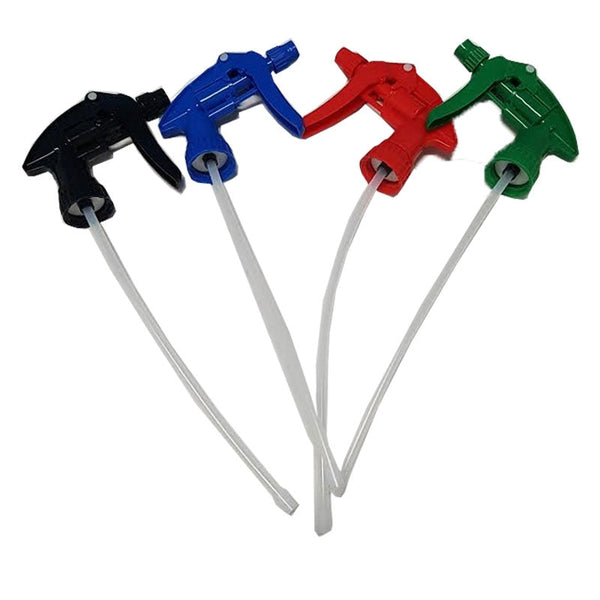
Strong bleach is hard on pressure washer pumps. Freshway's downstream chemical injector kit (low pressure) uses a Venturi effect to draw chemical into the water after it leaves the pump, with 3/8-inch quick-connect fittings, and its listing names soft washers applying sodium hypochlorite to roofs and siding. Because a downstream injector dilutes the chemical again, the strength at the surface is lower than in the drum, so check the actual output before relying on the table above. For small areas, the Gloria Prima 3 is a 3 litre hand sprayer built for bleach and chlorine. Fittings and injectors are in Freshway's pressure washer accessories range.

Dwell and rinse
Let the mix work rather than adding strength. Keep surfaces wet during dwell, work in sections out of direct sun where possible, and rinse thoroughly. Rinse windows, fittings and painted trims straight away, and avoid washing detergent or bleach into rainwater tanks; BlueScope's bulletin specifically warns about runoff from roofs into water tanks. Freshway's guide to chemistry over bar pressure explains why dwell does the heavy lifting.
Protecting plants and drains
Pre-wet gardens and lawns, cover sensitive plants, and rinse them again after the job. Block or divert downpipes that feed tanks, and keep runoff out of the stormwater system. The NSW EPA's drain is just for rain guidance reminds businesses that only rain should go down stormwater drains. Concentrates and surfactants are listed in Freshway's specialty industrial chemicals range.

PPE and the SDS
Read the SDS for the exact product. A sodium hypochlorite SDS from Challenge Chemicals carries the warning that contact with acids liberates toxic gas, so never mix bleach with acid cleaners or use the same tank without flushing. Wear chemical-resistant gloves, eye protection and coveralls when mixing. WorkSafe Victoria's safety data sheet guidance says employers must have an up-to-date SDS and make it available to workers.
Roofs that are a no-go
Check roof age and material before quoting. SafeWork NSW's safety alert on asbestos roofs says never to use high-pressure water or compressed air on asbestos products, and warns that asbestos roofs are brittle and easy to fall through. If a roof may contain asbestos, do not clean it until it has been assessed.
Frequently asked questions
Isn't stronger bleach always faster?
No. Too much strength can damage coatings, burn plants and waste product. Dwell time at the right strength usually does more than extra bleach.
Can you just pour bleach into the pressure washer tank?
No. Strong bleach can damage pump seals. Apply it downstream with an injector or from a dedicated chemical sprayer.
Does a 1% mix need measuring on small jobs?
Yes. Small jobs are where guessing creeps in. A 20 litre tank at 1% needs 3.33 litres of a 6% product.
Is soft washing safe on any roof?
No. Suspected asbestos roofs must be assessed first, and metal roofs need low strengths, thorough rinsing and the manufacturer's guidance.
Next steps with Freshway
Write a mix sheet for each substrate, label every tank and keep the SDS with the crew. Freshway's sodium hypochlorite, injector kits and chemical sprayers sit alongside its cold water pressure washers; contact the team for help setting up a soft-wash rig.