Measuring Results: Before-After Tests for Spec Validation
Validate bar and flow on timed site patches before you buy.
Shop now
A machine that reads 145 bar on the nameplate can still leave a loading bay looking dirty after twenty minutes. Pressure and flow only describe what the pump can do into a nozzle; they do not prove the unit will strip the soil on your concrete, in your water pressure, with your operator, in the time your contract allows. Spec validation is the missing step between brochure and purchase order.
This guide sets out an on-site before-and-after test method for Australian buyers and engineers. It covers trial protocol, surfaces, a time-boxed plan, a simple scorecard and decision rules you can defend to a procurement committee.
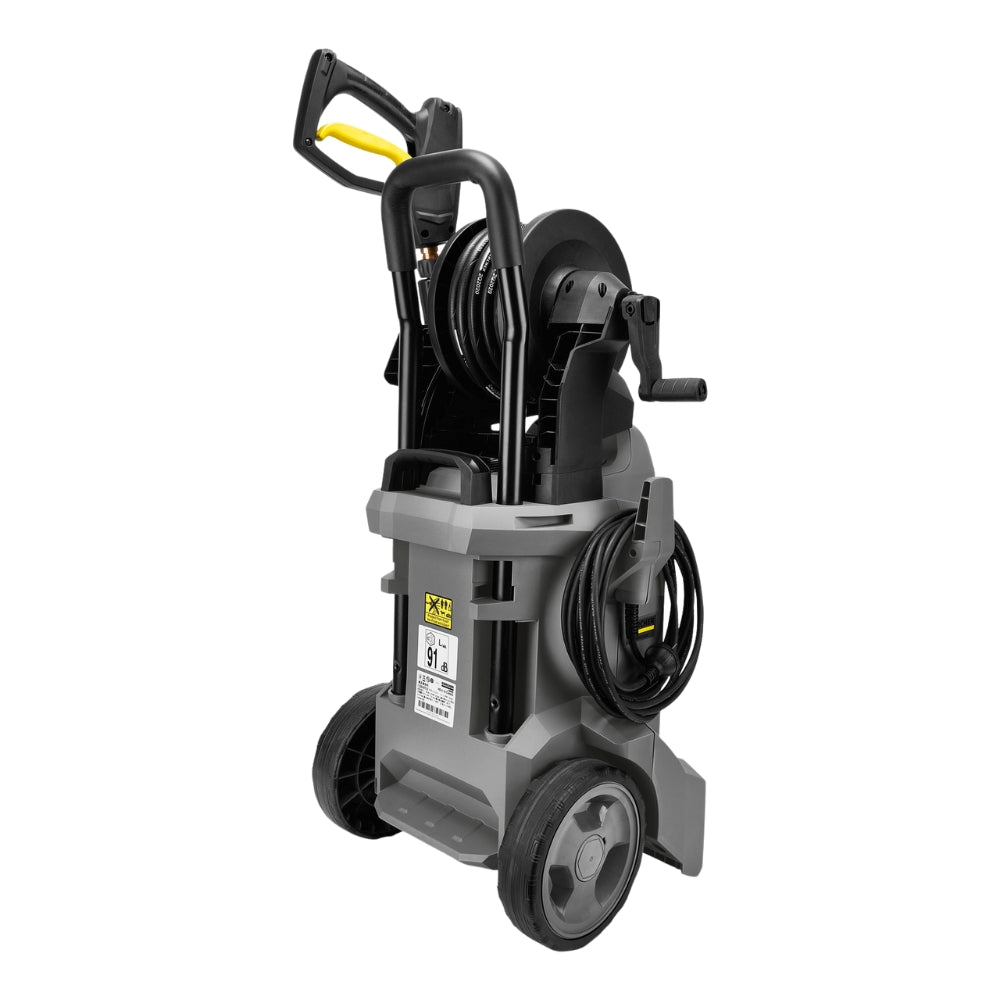
Pressure washer spec validation test: the short answer
Run a pressure washer spec validation test on your real surfaces and soils, using the same hose, nozzle and water supply you will run in service. Time a marked patch before and after, score soil removal, and accept the unit only if it meets your bar and flow needs without unsafe technique.
The sections below turn that into a repeatable trial: what to prepare, which surfaces to include, how long to run, how to score, and what mistakes invalidate the result.
Why nameplate figures alone are not enough
AU commercial listings usually quote working pressure in bar and flow in litres per hour or litres per minute. Freshway's listing for the Karcher HD 4/10 X Plus Classic, for example, states a working pressure of 100–145 bar and a flow rate of 400 L/h on a single-phase supply. Freshway's Makita HW140 listing states a maximum of 2030 PSI (140 bar), a working pressure of 1885 PSI (130 bar) and a maximum flow of 500 L/h. Those figures are necessary for shortlisting. They are not a substitute for watching the soil leave the surface.
WorkSafe Victoria's high pressure water jetting safety alert is a reminder that these tools deliver concentrated energy and need controlled use. A trial that only "works" because the operator stands too close, removes guarding, or bypasses a dump gun is not a pass — it is a hazard dressed up as cleaning power.
Water and runoff also count. The NSW EPA's stormwater guidance says washing runoff must not enter stormwater drains. A machine that needs twice the water and twice the rinsing to match a cleaner result may fail your environmental controls even if the concrete looks bright.
Trial protocol before you buy
- Freeze the variables. Same operator, same hose length, same nozzle type, same stand-off distance, same detergent decision (none, or the same measured dose).
- Mark a test patch. Use chalk or tape to mark 1 m × 1 m on each surface type you care about.
- Photograph before. Same angle, same light if you can; include a card with date and machine ID.
- Time the pass. Start the watch when water hits the patch; stop when the operator declares the patch clean enough for handover.
- Photograph after and rinse-check. Look for tiger striping, remaining oil shadow and puddles that will track.
- Log supply conditions. Note inlet pressure if known, hose length, and whether a header tank or mains feed was used.
Check NSW Resources Regulator safety alerts when you write the exclusion zone into the trial sheet, and use the brand manual for nozzle choice during the demo — not as a replacement for your own timed patches.
Surfaces and soils to include
One pretty courtyard slab is not a fleet decision. Build the trial around the soils that actually stop your jobs:
- Oil-stained concrete on a workshop apron or loading dock.
- Clay or mud on plant and wheel arches if vehicle wash is in scope.
- Algae or biofilm on shaded paths if that is a monthly complaint.
- Paint overspray or light graffiti only if your contracts include it — and only with the stand-off the surface can tolerate.
Skip decorative soft stone or sealed timber unless those finishes are genuinely on the contract. High pressure on the wrong surface is damage, not validation. WorkSafe Victoria's alert on jetting emphasises controlled application; your trial sheet should record stand-off distance for each surface.
Time-boxed trial plan
Keep demos short enough that fatigue and showmanship do not rewrite the result.
| Block | Duration | What you do | Pass signal |
|---|---|---|---|
| Setup and induction | 15 min | Confirm PPE, exclusion zone, runoff capture, nozzle set | Operator briefed; signs out; drain protected |
| Patch A — open concrete | 10 min timed | 1 m² before/after on typical soil | Soil gone within agreed time; even finish |
| Patch B — heaviest soil | 10 min timed | Oil or mud patch with same settings | Meets contract standard or documented fail |
| Accessory check | 10 min | Surface cleaner or turbo nozzle if you plan to buy them | Faster or more even than wand alone, without damage |
| Pack-down and score | 15 min | Fill scorecard while the floor is still in view | Scores agreed by buyer and operator |
Sixty minutes of structured trial beats a half-day of unstructured blasting. If a supplier cannot work inside a time box, that is useful procurement information on its own.

Scorecard you can fill on site
Score each patch 1–5 on the same day. Do not rely on memory after the machine has gone back on the truck.
- Soil removal (1–5): residual shadow, grit left in pores, need for a second pass.
- Time vs target (1–5): finished inside the minutes you budget per square metre.
- Finish evenness (1–5): tiger stripes, lance marks, edges left dirty.
- Water and runoff control (1–5): puddling, mist, ability to capture wash water.
- Operator effort and safety (1–5): lance kick-back, hose drag, need for unsafe posture — SafeWork NSW's hazardous manual tasks guidance treats forceful and repetitive handling as risk factors.
- Fit to electrics (pass/fail): plug type and circuit match the sites you will deploy to; SafeWork NSW covers electrical inspection and testing expectations for workplace plant.
Convert litres per hour to litres per minute when you compare machines: 400 L/h ÷ 60 = 6.7 L/min; 500 L/h ÷ 60 = 8.3 L/min. Write both on the scorecard so bar and flow stay visible next to the cleaning result.

Decision rules after the trial
Accept the machine only if all of the following hold:
- Patch scores meet the minimum you set before the demo (agree the bar in writing).
- Required result did not depend on standing closer than your safe stand-off rule.
- Runoff could be managed under your site's EPA and trade-waste practice.
- Electrics and hose package match the sites in the deployment list.
- Accessories you scored are available to buy with the unit, not "demo only".
If two machines score within one point, prefer the one that used less unsafe technique and less water for the same finish. Freshway's guides on flow rate versus pressure help interpret why a higher flow unit sometimes wins a timed patch even when peak bar looks similar.
Common mistakes to avoid
- Demo on a clean slab. You learn nothing about oil and mud.
- Changing nozzle mid-patch without logging it. The scorecard becomes fiction.
- Judging by noise or brand loyalty. Score the patch.
- Ignoring hose length. Pressure at the nozzle falls on a long run; trial with the hose you will actually use.
- Sending wash water to stormwater. NSW EPA guidance forbids it.
- Leaving wet aprons unsigned. WorkSafe Victoria groups wet floors with other slips, trips and falls risks during and after washing.
- Skipping electrical fit. A great demo unit that needs a different plug on every site is not fleet-ready.
Frequently asked questions
How long should a pressure washer site trial take?
About sixty minutes of structured patches is enough for most buy decisions: setup, two timed square-metre tests, an accessory check and a scored pack-down.
Should I test in bar or PSI?
Use the unit on the Freshway listing for the machine under test, and write the other unit in brackets once so everyone on the buying panel shares the same number.
Do I need detergent in a validation test?
Only if your live jobs use it. If you include detergent, measure the dose and keep it identical across machines.
What if the demo looks good but runoff cannot be captured?
Treat that as a fail for that site. Cleaning power that you cannot legally discharge is not an operable specification.
Next steps with Freshway
Shortlist cold-water units in pressure washers and commercial pressure washers, then add the hose, gun and surface tools you will trial from pressure washer accessories. Browse further method articles on the Knowledge blog, and check each product page for current pricing and full specifications before you book a demo.