Dilution is the least glamorous part of a chemical program and the one that decides what it costs and what it damages. The same product dosed correctly cleans a floor for months without incident; the same product dosed by eye strips a finish, leaves a film that re-soils in a day, and consumes twice the concentrate the budget allowed for. This commercial chemical dilution guide sets out how to control dose, cost and surface risk with the equipment most sites already have.
It is written for facility managers, cleaning supervisors and procurement teams who have to make chemistry repeatable across shifts, buildings and staff changes, and it assumes the products themselves have already been matched to the soil and the surface.
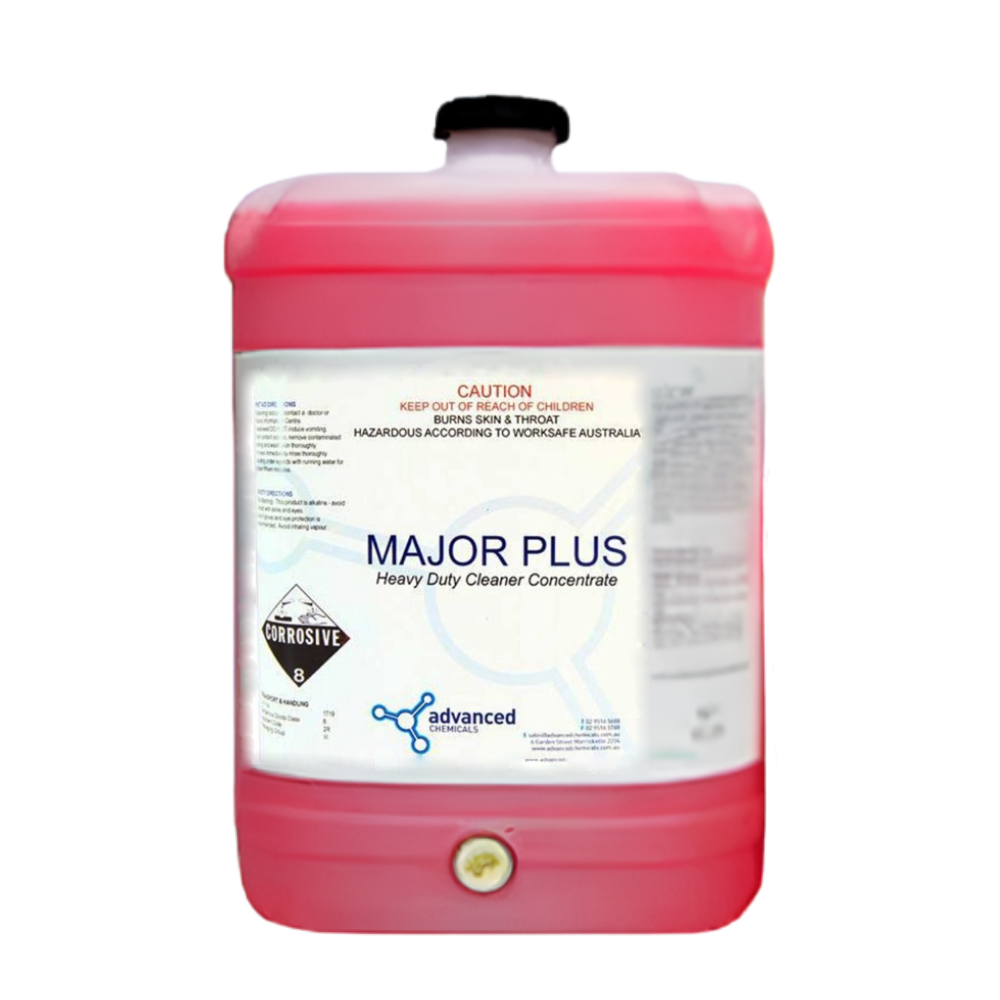
Commercial Chemical Dilution Guide: Control Dose, Cost and Risk
Three things go wrong with dilution, and they compound. The first is the ratio, where a product labelled at one part to twenty gets mixed at one to ten because stronger feels safer. The second is the measure, where nobody knows whether the cap, the pump or the bucket is the unit being counted. The third is the water, because dilution is only meaningful when the volume being diluted is known, and a bucket filled to a line that nobody checks is not a measurement.
The consequences are practical rather than theoretical. Overdosing leaves residue that attracts soil, dulls finishes and can damage coatings, and it doubles or triples chemical consumption without improving the result. Under-dosing leaves soil behind, which operators then attack with more agitation or more product. Both failures end in the same place: a specification that works on paper and a floor that never quite looks clean.
The controls are equally practical. Decide the dose from the label, make the measure visible and consistent, and record the method so the next person does it the same way. Everything else in this guide supports those three habits.
Match Chemistry to Soil and Surface
Dilution only works after the chemistry is right. Grease, oils and protein soils need alkaline or strongly alkaline products; mineral scale, rust and cement residue need acid; everyday maintenance soil usually needs a neutral detergent that cleans without attacking the finish. Choosing the wrong family and then increasing the concentration is the most common way sites waste chemical and still fail the inspection.
The surface then sets the ceiling. High alkalinity affects aluminium, zinc and some coatings. Acid attacks cementitious surfaces, some natural stone and certain metals. Neutral products are the safe default on finishes whose composition is unknown. Where a floor is sealed or polished, the damage from aggressive chemistry does not appear on the day; it appears when the finish starts failing in traffic lanes a few weeks later.
That is why the useful sequence is soil first, surface second, product third, dose fourth. A site that documents that sequence per area - floor type, finish, soil, product, dilution - can hand the method to a new contractor without the callbacks that follow guesswork. The guide to buying bulk cleaning chemicals covers how to set that specification at the purchasing stage.
How Do You Read a Dilution Ratio Correctly?
Convert the ratio into a volume before anyone mixes anything.
A ratio such as one to twenty means one part concentrate to twenty parts water, so a ten litre bucket takes roughly 500 millilitres of concentrate, and the working solution is the total volume of both parts rather than the water alone.
Two mistakes are common. The first is treating the ratio as parts of concentrate per parts of finished solution, which overdoses every mix. The second is ignoring the difference between ratios, percentages and millilitres per litre, because a label that states two per cent is not stating one to fifty in a way an operator should have to convert under time pressure. Write the dose on the bottle in the unit the operator actually uses.
Then remove the ambiguity from the measure. Caps vary between products, and a cap from one bottle used on another is not a measurement. Where a site mixes by hand, colour-coded bottles with a marked dose for each product make the ratio visible. Where volumes are larger, a calibrated jug or a wall-mounted dispenser does the same job. Where the water is hard, the product may need to be dosed at the higher end of the label range or paired with a water conditioner, and the safety data sheet is where that limitation is stated.

Read the Label and the Current Australian SDS
The label carries the dose, the surfaces and the contact time. The safety data sheet carries what the product is, how it should be handled, what personal protective equipment is required, and what to do after a spill or a splash. Both documents are the basis for the method, and a site that cannot produce them on request is exposed twice, once to the risk and once to the record.
Work from the current version. Formulations change, dose ranges change with them, and a laminated card written from an old sheet is worse than no card because it looks authoritative. Freshway Supplies publishes safety data sheets by brand through its SDS library, which is the version to check against the product on the shelf rather than against a file in the office.
Two site rules follow from the sheets. Never mix products, and never decant into unlabelled containers. A diluted working solution in an unmarked bottle has no dose, no hazard information and no product name, and it is the most common way a straightforward chemical program produces an incident.
Dispensing Systems That Remove the Guesswork
The purpose of a dispensing system is to make the correct dose the easiest action available. Wall-mounted venturi dispensers, pre-measured capsules, pump systems with fixed dose chambers and colour-coded spray bottles each achieve that to different degrees, and the right choice depends on how much solution the site uses and where the operator is standing when they need it.
Dispensers pay for themselves in two ways. They stop overdosing, which is the invisible cost in every chemical budget, and they make the method repeatable across shifts, which removes an entire category of inspection failure. They also fail in predictable ways: a dispenser that is out of calibration, a capsule that does not suit the water, or a wall unit installed in a plant room that nobody visits during the shift. Where the dispenser is inconvenient, the operator mixes by hand.
Where hand mixing is unavoidable, reduce the variables: one calibrated jug per chemical, dose marked on the bottle, and a written method for each task. It is less elegant than a dispenser and considerably better than a splash from a cap.
Storage, Training and Chemical Safety
Storage and dilution belong to the same method, because a product that is stored badly cannot be dosed reliably. Keep concentrates in their labelled containers, separated so that incompatible products cannot be confused, with the sheets accessible and stock rotated so older product is used first. Diluted solutions have a working life and should be made up for the shift rather than stored indefinitely.
Training covers four points: which product for which soil, the dose and contact time, what the product must not touch, and what to do if something goes wrong. Australian duties place the framework in the Work Health and Safety Regulations 2011, with practical guidance published by the regulators, including WorkSafe Victoria's hazardous substances material and the resources at SafeWork NSW. Manufacturer documentation, such as the technical and safety information published by Agar, is the place to confirm product-specific limits.
Diluted chemistry still has to be disposed of responsibly. Where a site discharges cleaning solution, the requirements of the local water authority and the environment regulator apply, and the NSW EPA water guidance sets out what should not enter stormwater.
Calculate Cost at the Approved Dose
The cost of a chemical program is the concentrate consumed per task at the approved dose, plus the labour the method requires. Purchase price per bottle is a poor proxy, because concentrate at the correct dilution usually costs less per task than a ready-to-use product, and because a product that is overdosed doubles its own cost while reducing the life of the finish it is used on.
The calculation takes four inputs: the volume of working solution a task consumes, the dilution in use, the price per unit of concentrate, and the number of tasks per week. Run it once per chemical and once per area, then compare consumption against the specification. A site that consistently uses more product than the method requires is overdosing, under-diluting, cleaning soil that a more frequent neutral clean would have prevented, or using chemistry that is wrong for the soil.
Add the cost of the finish, because that is where overdosing does its real damage. Stripping and resealing a floor costs far more than the chemical that caused the failure, and the repair appears in a different budget line, which is why it rarely gets attributed to the dose.

Approval Checklist for the Final Specification
Before a dilution method is approved for a site, confirm the following points in writing so the method survives staff changes and purchase orders.
- Soil and surface: the soil family and the finish recorded per area, with the products permitted on each.
- Dose: the label ratio written in the unit the operator measures, with the maximum dose that is safe on that surface.
- Measure: the calibrated jug, dispenser or capsule system that makes the correct dose the easy option.
- Contact time: the dwell the chemistry needs, and how the work is sequenced to achieve it.
- Documents: the current label and safety data sheet available where the product is used, and a record of the method.
- Consumption: a baseline per area, reviewed against actual usage so drift is visible.
- Waste: how working solution is disposed of, and what the site's drainage arrangements allow.
That list is short on purpose. Dilution control is not a technical problem; it is a method problem, and the sites that solve it are the ones that write the dose down and make the measure obvious.
Questions we get asked most
- What does a 1:20 dilution ratio actually mean?
- It means one part concentrate to twenty parts water, so a 10 litre bucket takes about 500 millilitres of concentrate and the working solution is the combined volume. Treating the ratio as parts per finished solution overdoses every mix, which is why writing the dose in millilitres per litre is safer for operators working under time pressure.
- Can I dose a cleaning chemical stronger than the label says?
- No, and it rarely helps. Stronger dilutions do not clean proportionally better, they leave more residue that attracts soil, and on sensitive finishes they cause damage that appears weeks later. Where a labelled dose is not working, the cause is usually the wrong chemistry for the soil, insufficient dwell time or inadequate mechanical action.
- Do I need a dispensing system?
- A dispenser pays for itself by removing overdosing and making the dose repeatable across shifts, and it is the most reliable option on sites with high staff turnover. Where hand mixing is unavoidable, use one calibrated jug per chemical with the dose marked on the bottle, and record the method so the next operator repeats it exactly.
- How do I know if my site is overdosing?
- Compare concentrate consumption per area against the approved method. Usage above the specification usually means over-dosing, under-diluting, cleaning soil that a more frequent neutral clean would have prevented, or using chemistry that is wrong for the soil. Residue that streaks, floors that dull quickly and finishes that fail early are the visible symptoms.
Conclusion
Dilution is the point where chemistry, cost and surface risk meet. Match the product to the soil, confirm what the surface will tolerate, read the current label and safety data sheet, then make the correct dose the easiest action in the room.
Convert every ratio into a volume, mark the measure, train the dose with the product rather than separately, and audit consumption per area against the method. That is what keeps a chemical program predictable in both senses: the result on the floor and the number in the budget.
Compare concentrated cleaning chemicals with the dilution and safety data you need on site, or ask the Freshway team to help set a dosing method for your buildings.