Wet Pickup After Floor Scrubbing: When a Barrel Vacuum Is Required
Plan the wet vacuum into the scrubbing route before water is left on the floor.
Shop now
The scrubber had done three passes of the loading-dock ramp and the floor still shone wet in the grooves. Behind it, a strip of water sat along the kerb where the squeegee could not reach, and a forklift was due in twenty minutes. The operator reached for the office backpack vacuum. That is the moment this guide is written for.
When scrubber recovery is not enough
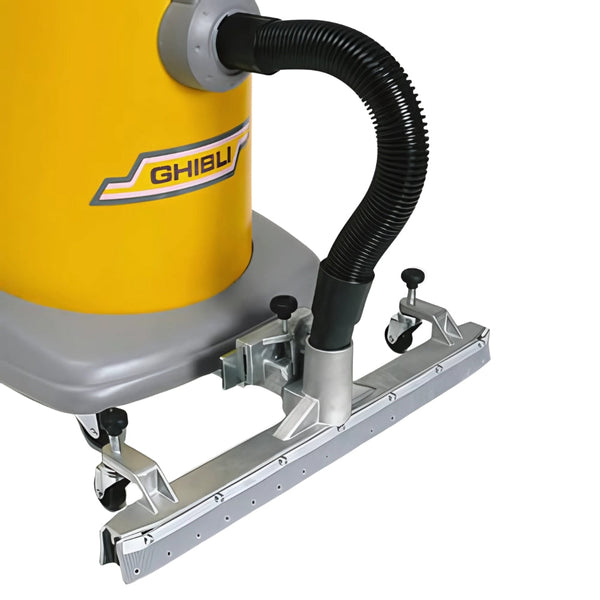
Use a wet pickup vacuum after a floor scrubber whenever water is left in grooves, edges, drains or ramps the squeegee cannot seal against, or when the recovery tank is full mid-spill. A wet-rated barrel vacuum with a wet nozzle clears that residue quickly. A dry backpack or dry canister should never touch it.
A walk-behind scrubber dryer recovers water through a rear squeegee that needs flat, continuous contact with the floor. Textured safety vinyl, anti-slip epoxy, ribbed ramps, tile with deep grout lines and floors with drainage grates all break that contact. So do door thresholds, kick plates and the last 50 mm along a wall. The machine is not failing in those zones; it was never designed to seal there.
The result is a wet film or puddle that the next person walks through. SafeWork NSW lists slippery floors from cleaning products, methods and spills among the common sources of slip risk, which makes residual water a work health and safety issue, not a cosmetic one. If the scrubber is the main tool, plan for a second tool that finishes the job.
Barrel vs backpack for standing water
The existing Freshway guide on wet and dry barrel versus backpack vacuums covers the general choice. After scrubbing, the decision is narrower: the backpack on the trolley is almost always a dry machine, and standing water will reach its motor. The barrel needs to be wet-rated, carry a wet nozzle and have enough tank to absorb a missed edge or a full spill.
| Factor | Wet-rated barrel vacuum | Dry backpack vacuum |
|---|---|---|
| Standing water behind a scrubber | Designed for it with a wet nozzle or squeegee tool | Not suitable; water can reach the motor and filter |
| Edge and groove residue | Wet floor tool or crevice tool along kerbs and grates | Not suitable |
| Capacity before emptying | Listed in litres per model; plan around the wet figure | Dust capacity only |
| Emptying | Drain hose on some models, otherwise tip the drum | Bag or canister for dry soil |
| Where it lives | Cleaner's cupboard or with the scrubber on the dock | Daily vacuum round |
Check whether the machine on your site lists a separate wet capacity. Freshway lists the Numatic WV380-2 at 15 litres dry and 9 litres wet. Plan around the lower number, because that is the usable volume for water.

Amenities, kitchens and loading docks
Three site types produce most of the post-scrub water we hear about.
- Amenities. Floor wastes, toilet pans and partition legs stop the squeegee. Overflowing cisterns or blocked floor wastes also create more water than a compact scrubber's recovery tank was sized for.
- Commercial kitchens. Quarry tile, grout and equipment legs hold water, and the floor is often wet again within minutes of a wash-down. A wet vacuum clears the low spots and drains that the scrubber skips.
- Loading docks and ramps. Slopes, ribbed concrete, drainage channels and dock levellers defeat a squeegee. Water also runs downhill behind the machine, so the bottom of the ramp collects it.
In each case, map the problem zones once and write them into the scrubbing route so the operator knows where the barrel vacuum follows.
Foam and chemical in wet tanks
Scrubber solution is detergent. When a wet vacuum lifts it, the turbulence in the drum can whip that solution into foam, and foam can reach the filter or trip the float earlier than plain water would. Two habits reduce the problem: keep scrubber dosing to the label rate rather than "a bit extra", and avoid adding fresh detergent to water you are about to vacuum. If foam builds, stop, empty the drum and continue. Do not keep vacuuming once the float has closed.
The recovered liquid is still chemical solution plus soil. Store any concentrate you top up with under the site's chemical procedures and keep the SDS at hand; WorkSafe Victoria's safety data sheets guidance explains why those documents sit with the product.
Emptying and disinfection of tanks
Dirty scrubber water and wet-vacuum water go to the sewer through an approved point such as a cleaner's sink or floor waste, never into a stormwater grate in the car park. The NSW EPA's drain is just for rain guidance is clear that only clean rainwater should enter stormwater drains. Factories and other sites that discharge industrial trade wastewater in Sydney also need written approval under Sydney Water's industrial trade wastewater rules, so ask the site where wash water is allowed to go.
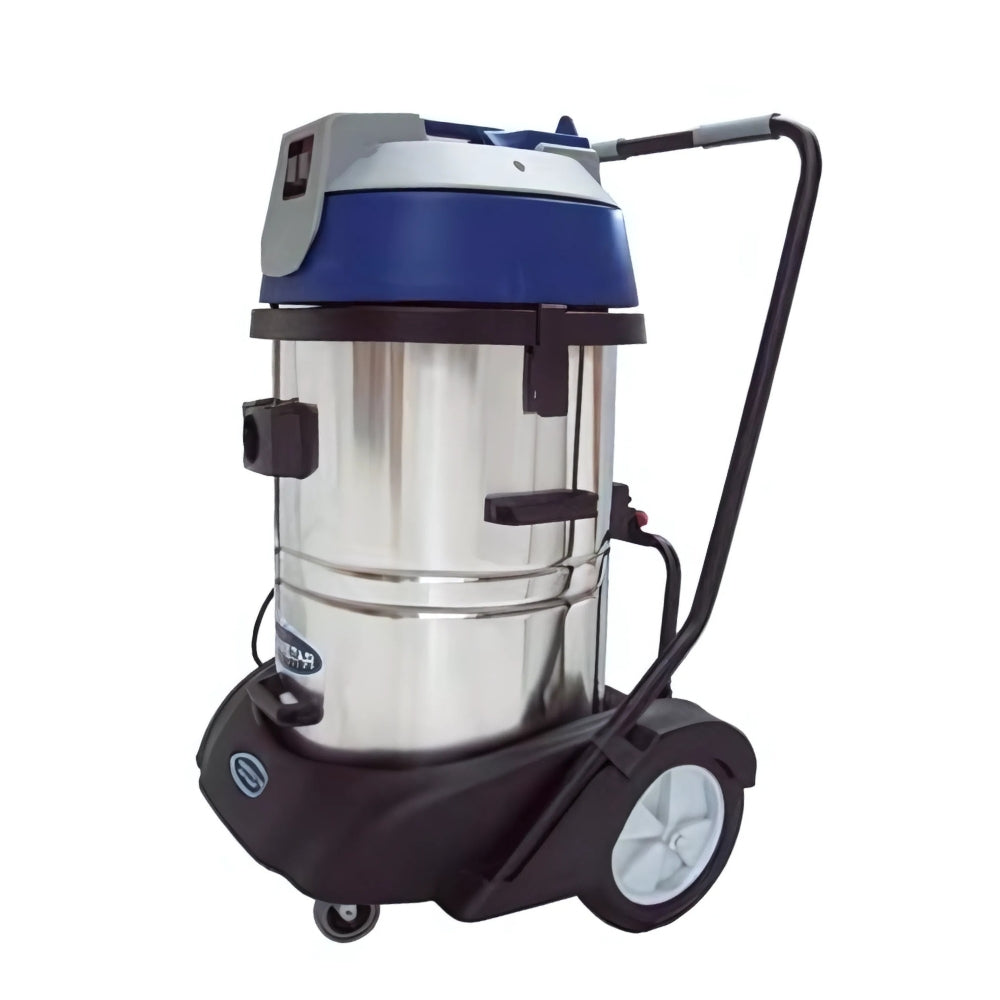
A full wet drum is heavy and awkward. A drain hose avoids the lift altogether. Freshway lists the Cleanstar VC60L with a 60-litre stainless steel tank on a castor trolley and an external drain hose for emptying into a floor trap. SafeWork NSW treats repeated lifting and awkward posture as hazardous manual tasks, which is a practical reason to prefer drain-hose models on daily wet duty.
After emptying, rinse the drum, wipe the float cage and leave the lid off so it dries. A sealed wet drum left overnight smells by morning and grows biofilm on the float.

Pairing with squeegees on edges
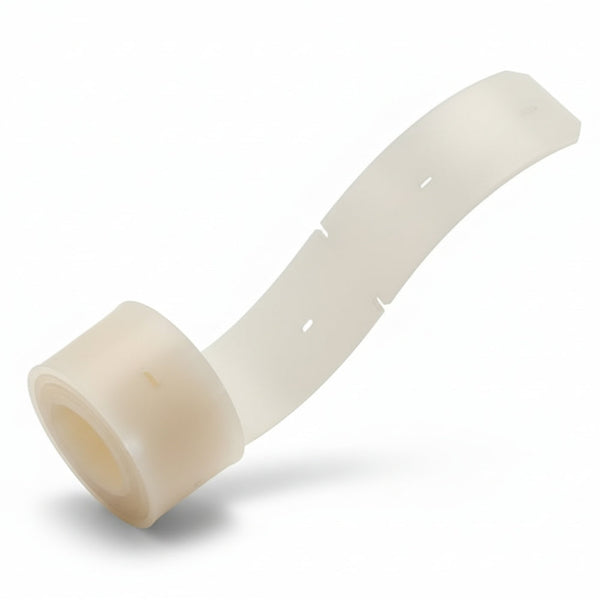
A wet vacuum is fastest when water is gathered first. A floor squeegee pulls the edge strip and groove water into a line or a puddle, and the wet nozzle lifts it in one pass. Freshway lists 450 mm and 600 mm aluminium floor squeegees in its floor squeegee range. Use the squeegee toward a floor waste where one is available; use the vacuum where the floor has no fall or where water must not reach a drain.
Spec: litres and sealed suction
For post-scrub duty, three fields matter more than motor watts:
- Wet capacity in litres. Match it to the scrubber's recovery tank on the same site, so one vacuum load can absorb a missed pass or a dumped tank.
- Suction listed as water lift or sealed suction. This predicts how well the machine lifts water out of grout and grooves. Freshway lists the WV380-2 at 2400 mm suction and 49 L/s airflow.
- Tools. A wet floor nozzle or squeegee tool, a crevice tool for kerbs, and a hose long enough to reach the ramp bottom.
Twin-motor machines earn their place on large spills. The VC60L page lists two independently switched 1000 W motors, so the operator can run one motor for routine edge work and both for a burst pipe.
Avoiding dry-motor damage
Wet-vacuum damage usually traces back to three mistakes: a dry-only machine used on water, a wet machine run past its float, and a paper filter or dust bag left in for wet work. Remove the dust bag before wet pickup, fit the filter type the product page specifies for wet use, and stop when suction note changes or the float closes. Plug-in equipment used around water also belongs on residual current device protection, which SafeWork NSW explains under residual current devices. If a machine has ingested water it was not built for, isolate it and book it through Freshway service and repairs rather than testing it again.
Frequently asked questions
Our scrubber has a squeegee, so why buy a wet vacuum at all?
Because the squeegee only seals on flat, continuous floor. Grooves, grates, ramps, thresholds and wall edges leave water behind, and a wet vacuum is the tool that finishes those zones.
Can we use the backpack vacuum for a small puddle just this once?
No. Unless the product page lists it as wet-rated, water can reach the motor and filter. One puddle is enough to damage a dry machine.
Is a bigger tank always better after scrubbing?
Not always. Match wet capacity to the scrubber's recovery tank and the spill size you actually see, then weigh how the drum will be emptied. A drain hose matters more than extra litres on daily duty.
Can we tip the recovered water into the car park drain?
No. Scrubber and wet-vacuum water carry detergent and soil, so they go to an approved sewer point. Stormwater drains are for clean rainwater only.
Next steps with Freshway
Walk the scrubbing route once with the operator and mark every spot where water is left behind. Then compare wet capacities, drain options and tool kits in the wet and dry vacuum range, check the scrubber's recovery tank size in the floor scrubber collection, and confirm details on each product page before you add a barrel vacuum to the scrubber kit.