Food Factory Allergen Zones: Scrubber and Chemical Discipline
Dedicate the scrubber or clean it out on record; shine and scent prove nothing.
Shop now
In a food plant with allergen zones, the scrubber that leaves the floor smelling cleanest can be the one that worries the quality manager most. A strong fragrance proves a chemical was used. It does not prove the brush deck, recovery tank and squeegee arrived from the peanut line clean, and that is the question an allergen program actually asks.
Why allergen zones constrain scrubbers
A food factory floor scrubber in allergen zones must not carry residue from one zone into another. Treat it like any shared food-plant equipment: assign it to a zone or clean it out under a written procedure, keep chemicals and tools zone-specific, and record the change-over. Fragrance and shine prove nothing.
The Australia New Zealand Food Standards Code does not mention floor scrubbers by name. What it does is set outcomes. FSANZ explains that the allergen labelling rules require declared allergens to be identified on food, which is why plants segregate production in the first place. The food safety standards, including Standard 3.2.3 on premises and equipment, sit alongside those rules and are listed on the FSANZ food safety for food businesses page.
A scrubber touches every square metre of floor, splashes skirting and plinths, and carries water, pads and soil in tanks and hoses. Floors are not food-contact surfaces, yet aerosol, footwear, pallet wheels and wash-down spray all move floor soil around a plant. Allergen-aware site teams therefore ask that cleaning equipment does not undo the segregation the production plan created.
Reading the rules as an engineer
The FSANZ guide to Standard 3.2.3 talks about premises being designed so floors can be effectively cleaned, with enough space to manoeuvre cleaning equipment and to store cleaning chemicals. Read that as an equipment brief:
- The machine must fit the aisles, plinth gaps and doorways of the zone it serves.
- There must be a place to store it, its pads and its chemical without crossing into another zone.
- Its tanks, squeegee and brush must be able to be cleaned to a standard someone can check.
None of that is a chemistry question. It is about layout, storage and the cleanability of the machine itself.
Dedicated machines vs clean-out SOPs
There are two workable models. Each has a cost in machines or in labour.
| Approach | When it fits | What must be controlled |
|---|---|---|
| Dedicated machine per zone | Permanent allergen zones, enough storage per zone, high cleaning frequency | Machine labelling, separate charging and storage, zone-specific pads and chemical |
| Shared machine with clean-out SOP | Small plants, campaign production, zones that change with the schedule | Written clean-out steps, a visual check, sign-off and a record before the machine re-enters a zone |
| Hybrid | One high-risk zone plus general areas | A dedicated machine in the high-risk zone and a shared machine elsewhere that never crosses in |
Sequence matters in the shared model. Scrub the allergen-free areas first and the allergen zone last, then clean out the machine before the next run. Running in the opposite direction makes every change-over a full decontamination.

Chemical selection without fragrance transfer
Many floor detergents are fragranced. Freshway's listing for Agar Super Force, for example, describes a low-foaming concentrate suited to machines, with no secondary rinse and a spice floral fragrance. Low foam is a genuine scrubber advantage. Whether a fragranced floor product is acceptable near open product is a decision for the site's quality team, not the cleaning contractor, because scent can mask odours that staff use as a warning sign and may be on a plant's restricted list.
Put the approved chemical, dilution and pack size on the zone's cleaning schedule, store it in the zone, and keep its current SDS with it. SafeWork NSW's hazardous chemicals pages and WorkSafe Victoria's guidance on safety data sheets set the storage and information expectations for the concentrate itself. For floor chemistry options, start with the Agar floor cleaners range and check each label for machine use and rinse requirements.
Tank and hose hygiene
The recovery tank is where allergen residue concentrates. Food soil, crumbs and dust from the zone sit in dirty water that is then carried wherever the machine goes next. A practical clean-out sequence is:
- Drain the recovery tank to an approved waste point inside or next to the zone.
- Rinse the recovery tank, lid gasket, float and debris basket until no visible soil remains.
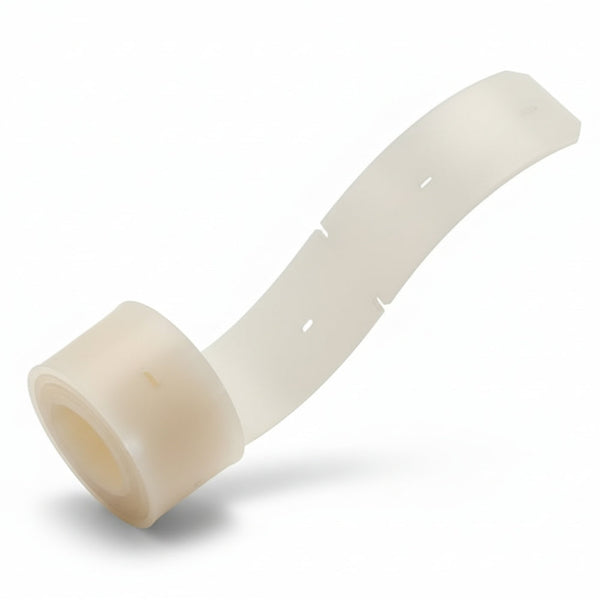
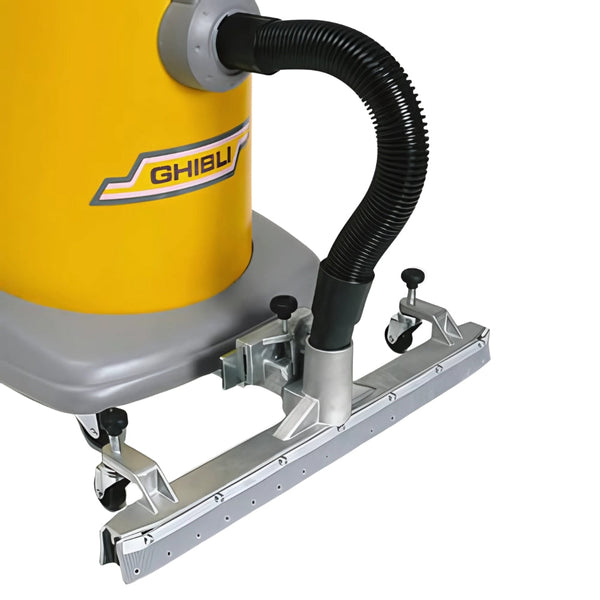
- Remove and rinse the squeegee blades and suction hose.
- Remove the brush or pad driver, rinse it, and fit the next zone's brush or pad.
- Drain and refill the solution tank with the next zone's approved chemical.
- Wipe the machine body, handle and wheels, then record the change-over.
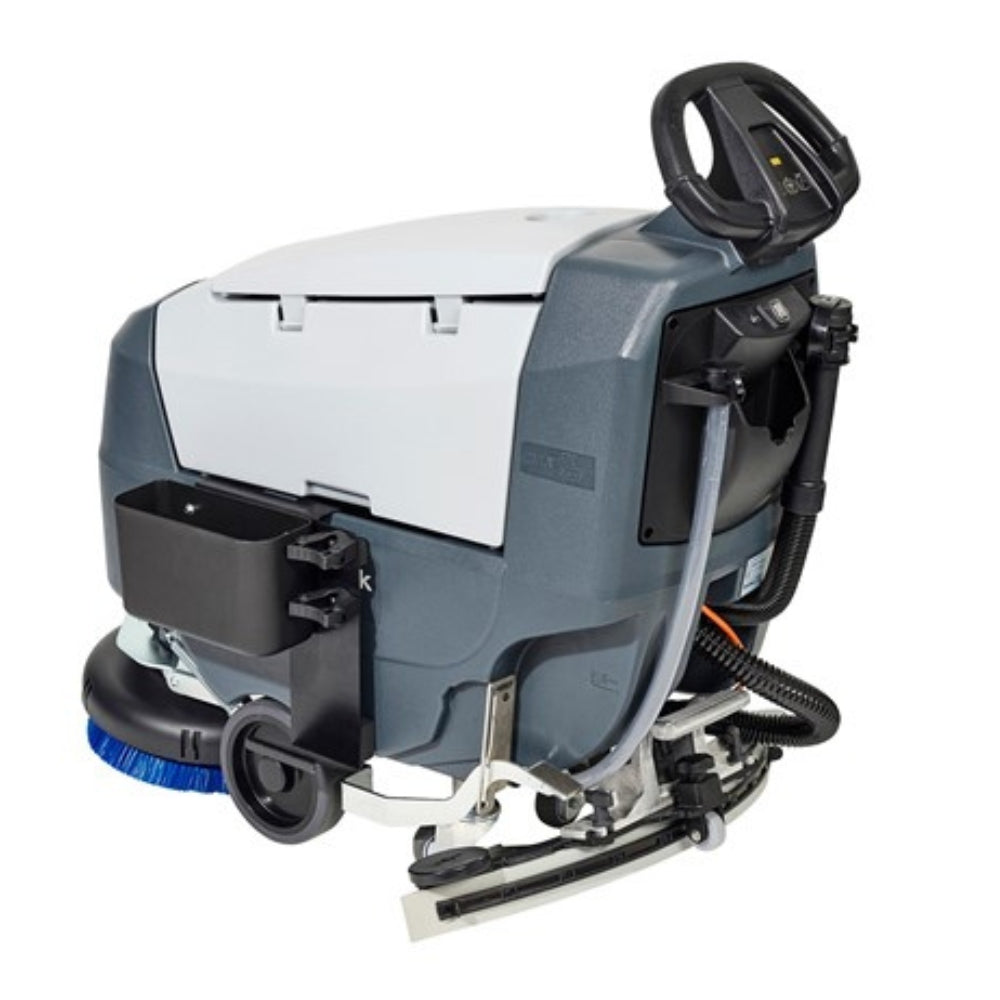
Machine design affects how long that takes. Freshway lists the SC401 with tool-free squeegee blade replacement and easy-to-clean tanks. The Karcher BR 40/10 C is listed with removable 10-litre fresh and dirty tanks and tool-free brush and suction lip replacement, which suits small zones where the machine is cleaned out at a sink.

Tool colour coding
Colour-code what changes between zones: pads, brushes, squeegee blades where possible, mops for edges, buckets and the cloths used to wipe the machine. The Freshway guide to a cleaning colour-coding system covers the general scheme. In an allergen plant, add one rule: the zone colour is written on the cleaning schedule beside the machine, so a substitute operator does not have to guess.
Verification swab mindset
Whether the plant uses allergen-specific swabs, protein tests or visual inspection is set by its quality system. The cleaning team's job is to make verification possible: clean the tank and brush to a visibly clean standard, leave them accessible for checking, and write the time and operator on the change-over record. If the quality team swabs the machine and finds residue, change the SOP rather than adding chemical strength.
Training and sign-off
Train operators on the zone map, the change-over steps and the reason behind them. Allergen management courses such as the free All about Allergens training are written for food service, yet they explain why trace amounts matter, which helps cleaners take the clean-out seriously. A supervisor signs off the first three change-overs for each new operator before they run alone.
Spec features that help segregation
When comparing machines for an allergen zone, weigh cleanability above speed. Useful fields on a product page are removable or wide-opening tanks, tool-free squeegee and brush changes, a battery that charges inside the zone, and a footprint that fits the narrowest aisle. Productivity figures still matter for large areas; the SC401 is listed at up to 2,330 m² per hour theoretical, which is a planning number, not a promise. Compare options in the floor scrubber collection.
Frequently asked questions
Does the Food Standards Code require a separate scrubber for each allergen zone?
No. The Code sets outcomes for clean premises and equipment and for allergen declaration. Whether you dedicate machines or use a clean-out procedure is a site decision made by the quality team.
Can we use the same pads in every zone if we rinse them?
It is safer not to. Pads hold soil in their fibres, so assign colour-coded pads to each zone and fit fresh ones at change-over.
Is a fragrance-free floor chemical mandatory in food plants?
Not by default. Some sites restrict fragranced products near open food, so confirm the approved chemical list with the quality manager before ordering.
Who should sign the scrubber change-over record?
The operator who did the clean-out, with a supervisor or quality check where the plant's procedure requires it.
Next steps with Freshway
Map your zones, decide between dedicated machines and a clean-out SOP, then shortlist scrubbers by tank access and footprint. Check floor chemistry against your approved list, confirm details on each product page, and contact Freshway if you need help matching a machine to a zone layout.