Urinal Screens vs Enzyme Blocks: Choosing Washroom Odour Control
Pick the urinal device by splash, drain soil and traffic, then log the change date.
Shop now
The complaint came in on a Thursday: the men's room on level 2 smelled again, three days after the new urinal screens went in. The cleaner had done everything on the card. The screens were fresh and strongly scented, yet the trap below the middle urinal was half-blocked with gum and paper, and the floor tiles in front of it were tacky. More fragrance was never going to fix that washroom.
Urinal screen vs enzyme block: which suits commercial washrooms?
For a urinal screen vs enzyme block choice in a commercial washroom, use screens where splash, litter and drain protection matter most, and blocks where you need slow, steady odour treatment with little handling. Bio-enzymatic screens combine both jobs. Neither device replaces daily cleaning, descaling or clearing a blocked trap.
The Freshway guide to urinal cleaning and odour control already covers scale, drainage and daily soil. This article is narrower: how to choose the device that sits in the bowl, and how to run it as a program instead of a monthly guess.
Odour sources in urinals
Urinal odour comes from four places: uric soil and scale on the porcelain and in the trap, splash on the floor and wall, biofilm in a drain that is not flushed often, and litter that holds urine in the bowl. A device can help with some of these. None of them removes scale already set in the trap or soil that has soaked into grout. Start every program with a full clean and descale, then judge the device on what happens next.
Screens vs blocks
The products on Freshway's shelves fall into three groups, and they work in different ways.
| Device | How the Freshway listing describes it | Suits | Watch for |
|---|---|---|---|
| Fragrance screen (Wave 1.0) | Dual-sided anti-splash bristles, fragrance for up to 30 days, acts as a filter against gum and butts | Busy washrooms where splash and litter are the main complaints | Fragrance only; it does not treat soil in the trap |
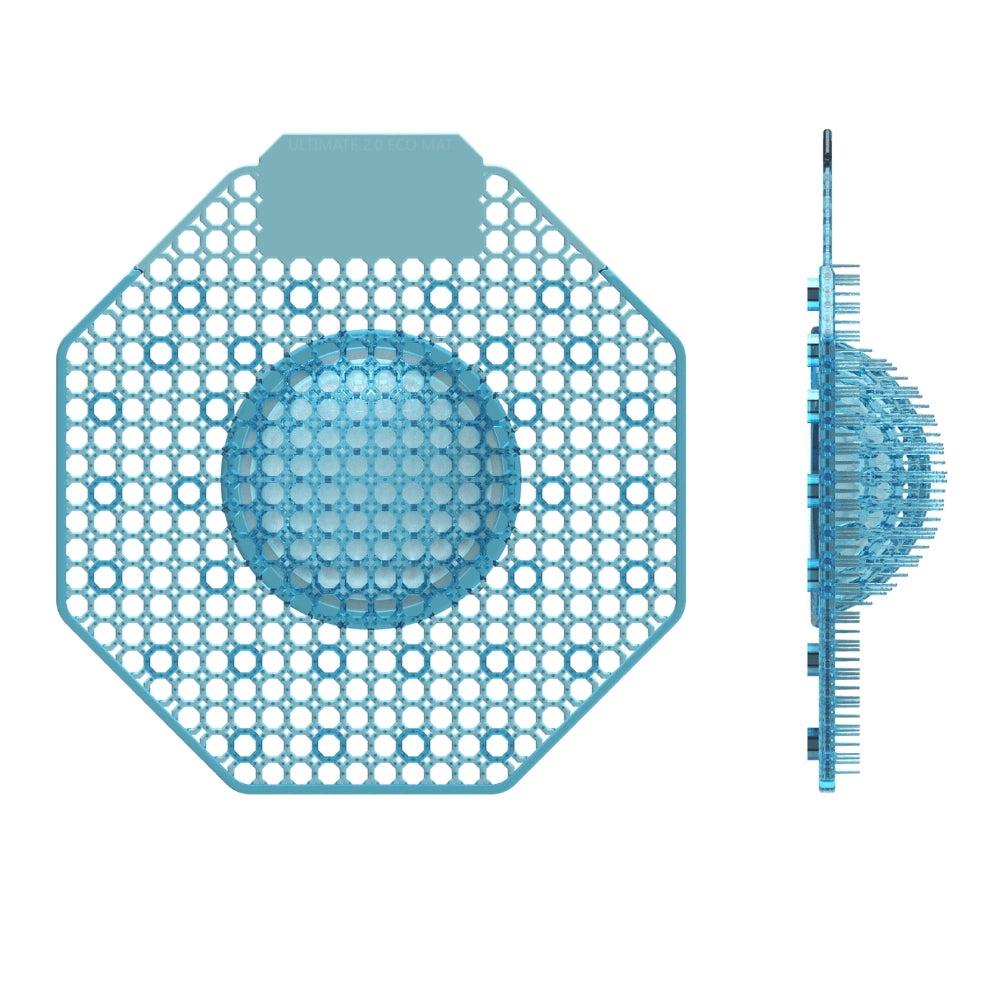
| Bio-enzymatic screen (Ultimate 2.0) | Anti-splash bristles plus enzymes released with each flush to break down uric soil; up to 30 days | Washrooms with regular flushing where drain soil drives odour | Needs flushes to deliver enzymes |
| Air-activated block (Odour Fresh 750) | Solid 25 g blocks that evaporate into the air rather than dissolving; p-dichlorobenzene active | Low-handling odour masking in the urinal area | Read the SDS; it masks odour and does not clean |
A note on terms: many buyers say "enzyme block" for any urinal cake. Check the label. The block Freshway lists is an air-activated deodorant block, not an enzymatic one, and on Freshway's current listings the enzyme option sits in the bio-enzymatic screen and in liquid enzyme digesters.

Drain health
A screen is also a strainer. It catches gum, butts and paper before they reach the trap, which is why screens reduce blockages in washrooms where people throw rubbish in the bowl. Sydney Water's wastewater blockages page lists unflushable items among the main causes of blockages and warns that blockages on your property can mean costly plumbing work. The catch: a screen collecting litter must be checked and cleared daily, or it becomes the blockage.
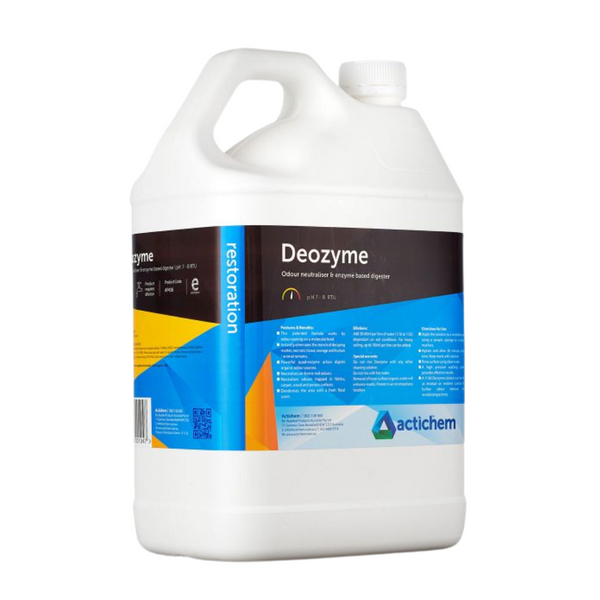
Enzymes act downstream. Bio-enzymatic products digest organic soil in the trap and pipe over time, which helps drains that smell between cleans. For heavy build-up, a liquid digester can treat the trap directly. Freshway lists Actichem Deozyme as a 5 L concentrate with a four-enzyme blend and Bacillus organisms, diluted from 1:16 to 1:32.
Low vs high traffic
Traffic changes the answer more than brand does.
- High traffic (stadiums, pubs, transport hubs, schools): splash and litter dominate. Screens with bristles, cleared every service, plus a scheduled enzyme treatment of traps.
- Moderate traffic (offices, retail): a bio-enzymatic screen on a fixed change date usually covers both splash and drain soil.
- Low traffic (remote amenities, after-hours sites): few flushes means less enzyme delivery and more chance of dry traps and stale air. Here a slow-release block can keep the space acceptable between visits, and a weekly flush-through matters as much as the device.
Spec a program
Write the program down so the next cleaner runs it the same way:
- Deep clean and descale all urinals and traps on day one.
- Fit the chosen device and write the change date on the cleaning card.
- Clear screens of litter at every daily service.
- Replace screens at the listed interval, or sooner if bristles are clogged or flattened.
- Treat problem traps with an enzyme digester on a weekly or fortnightly schedule.
- Rotate fragrances only after the source has been controlled.
Cleaning around devices
Lift the screen out, clean the bowl and the trap opening, rinse the screen, and put it back. Take screens and blocks out before applying descaler, so the chemical reaches the porcelain and the device is not soaked in it; follow each label. Wear gloves when handling used screens and blocks. WorkSafe Victoria's hazardous substances guidance advises treating chemicals as potentially dangerous to health unless the label or safety data sheet states otherwise. The Odour Fresh listing tells users to wash hands after handling, and its SDS sets out hazards and handling. WorkSafe Victoria's safety data sheets page explains what an SDS must include, and SafeWork NSW's hazardous chemicals pages cover storage and use of the cleaning chemicals around the fixture.

Common failures
- Fragrance over soil. A strong screen on an unclean trap. The smell returns within days.
- Clogged screens. Litter left in the bowl holds urine and blocks flow.
- Wrong device for traffic. Enzyme screens in rarely used urinals get too few flushes to work well.
- Wet floors. Splash on tiles creates both odour and slip risk; WorkSafe Victoria's slips, trips and falls guidance applies to washroom floors as much as anywhere.
- No change date. Devices stay in long after they stop working because nobody wrote down when they went in.
Selection summary
Use the table above as the starting point, then decide on three questions: is splash or litter the main complaint, is drain soil the main source, and how many flushes does the urinal get? Splash and litter point to screens. Drain soil with regular flushing points to bio-enzymatic screens and periodic digester treatment. Low traffic with long gaps between visits is where a slow-release block earns its place. Browse devices in the bins, urinals and mats collection.
Frequently asked questions
Do screens stop odour on their own?
No. They control splash and litter, and bio-enzymatic screens add drain treatment. Cleaning and descaling still matter.
Are urinal blocks enzymatic?
Not always. Check the label; the block Freshway lists is air-activated and fragrance-based.
How often should screens be changed?
At the listed interval, up to 30 days for the screens above, or sooner if clogged.
Can screens go in waterless urinals?
Check the urinal maker's instructions first, since waterless systems have their own cartridges and rules.
Where do used screens go?
Into the general waste bin, bagged, never down the urinal.
Next steps with Freshway
Start with one washroom: deep clean, fit the device that matches its traffic, and log the change date. Compare screen, block and enzyme options on each product page, check cleaning chemicals in the Agar bathroom and shower cleaners range, and contact Freshway if you want help setting up a program across several sites.