
Nilfisk SW5500 Battery Sweeper for Indoor Warehouses: Runtime, Charging and Fume-Free Work
Fume-free sweeping works when the route, traffic holds and charge window fit the shift.
Shop now
The Nilfisk SW5500 Battery is worth trialling for Australian warehouses with long, dry sweeping routes, room to turn and a predictable charging window. For a site that requires sweeping without engine exhaust, confirm that the quoted machine runs solely on battery power during indoor work. Then time a representative route from departure to return, including traffic holds and hopper emptying, to see whether it fits the shift.
Is the Nilfisk SW5500 Battery right for your indoor warehouse?
Start with the power configuration. The Freshway SW5500 listing names the battery model and uses hybrid terminology. Ask Freshway to identify the exact build on the quote and confirm in writing how it is powered on the floor and what battery and charger are supplied. Give the supplier your indoor operating requirement before booking a demonstration so the machine on trial represents the one you would receive.
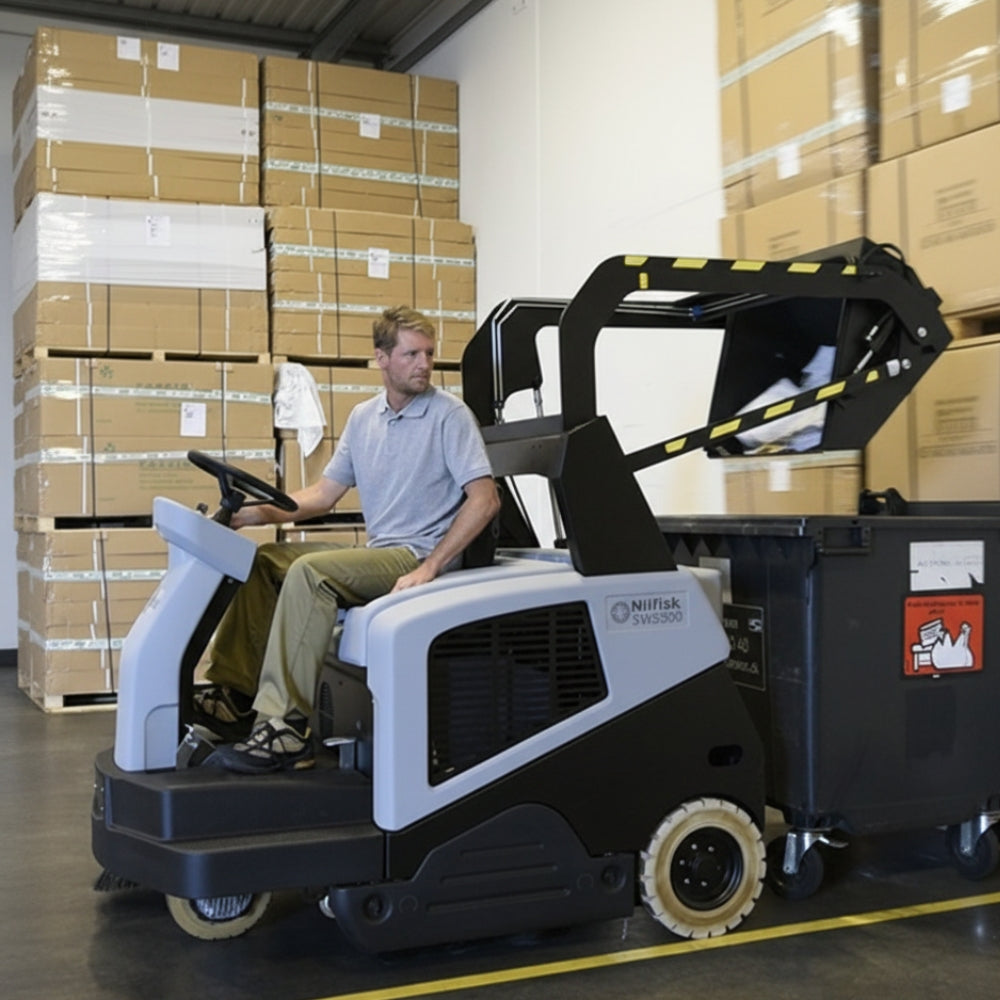
Next, distinguish the cleaning window from battery endurance. The listing quotes up to 4.5 hours per charge. Use that figure to plan the trial and measure usable time on your own floor, with your usual debris and operator. A full battery can still leave work unfinished if the available cleaning window closes while the operator is waiting to cross a dock lane or empty the hopper.
Sites where the SW5500 Battery fits well
A distribution centre with long aisles and an established end-of-shift floor handback is a good candidate. Walk the route just after a busy dispatch period. Check where grit, loose cardboard and packaging fragments actually collect. Set aside items such as strapping for separate collection if they are unsuitable for the broom. Include the return trip to the waste point so the trial reflects the real labour involved.
A council depot could test the sheltered stores and workshop circulation lanes while scheduling the vehicle yard separately. At a port, start with an enclosed stores building or cargo shed with a defined cleaning window and a suitable waste point. Confirm what dust is present and have the site assess how it should be collected before trialling the sweeper. An ordinary warehouse sweep trial cannot establish suitability for hazardous dust.

Operator safety, visibility and warehouse traffic
Mark pedestrian gates, blind corners, forklift crossings and reversing bays on the route plan. Agree with the shift supervisor when those areas can be swept and which sections the operator must leave until traffic clears. From the seat, check whether the operator can see the floor edge, the approaching aisle and anyone stepping around a pallet. Include temporary staging positions, which can change sightlines even when the racking layout stays the same.
Keep the unloading point in the same review. Check who controls access while the hopper is raised and whether bins can be positioned clear of loading traffic. Battery operation addresses engine exhaust from the sweeper when it runs solely on battery. Assess airborne dust and emissions from other plant separately. Use Safe Work Australia’s diesel engine emissions guide when assessing exposure around loading docks and enclosed work areas.
Sweep path, hopper capacity and dumping height
The listing gives a sweeping path of up to 1,540 mm with side brooms and a 150-litre hopper with hydraulic high dump. The sweep path is the width the brooms cover. For access, measure the narrowest door and the tightest turn around racking, then ask for the machine’s overall dimensions and turning clearance in the quoted configuration. Watch a pass along a wall and a turn at the end of a loaded aisle to see how much floor still needs a second pass.
Hopper volume helps plan the number of emptying trips. Check it against the mix of light packaging and heavier grit the route produces. Ask for the permissible load and the confirmed dump height, then compare the discharge position with your bin rim, lid and the clearance above it. Run a supervised emptying cycle at that bin during the trial and record the time from leaving the aisle to resuming work.
SW5500 Battery or SW8000 Diesel for this route?
Use the power source and route as the first purchasing filters. An enclosed warehouse loop and an open hardstand may call for separate equipment decisions, especially if the same fleet covers both. Compare each machine on the work it would actually be assigned.
| Decision | SW5500 Battery | SW8000 Diesel |
|---|---|---|
| Route | Trial on the enclosed warehouse loop once battery-only operation is confirmed. | Assess for an open yard or hardstand where the site can manage diesel exposure. |
| Shift readiness | Measure usable charge over a representative run and confirm when the unit can recharge. | Plan refuelling, storage and service access around the outdoor roster. |
| Debris handling | Check the listed high-dump hopper against the warehouse bin and its approach. | Verify the quoted machine’s unloading arrangement against the outdoor waste point. |
| Trial outcome | Record completed aisles, return charge and time available before the next shift. | Record completed outdoor zones and review vehicle movements and exposure near doors. |
Where a different machine suits better
Choose a smaller sweeper to trial if the difficult work is mainly around racking ends, congested packing stations or narrow connecting doors. Compare physical access and the time spent on manual finishing using Freshway’s sweeper range and Nilfisk equipment range. For a job dominated by open paving, use the car park and hardstand sweeper guide to assess that route on its own terms.
If the floor also carries tyre marks, residue or spills, plan how those areas will be treated after loose debris is collected. Work out who does each pass and when the aisle can be handed back. Freshway’s guide to running a sweeper and scrubber in one warehouse shift covers that scheduling decision.

If the first trial finishes only because a supervisor clears every crossing, repeat it during the window the operator will actually get. Agree in advance which aisles must be finished and which can roll into the next run. Log the end-of-run charge and the time the machine is back on charge so the next shift can check whether that schedule is repeatable.
Checklist before ordering an SW5500 Battery
- Match the quote to the machine. Ask for the supplied model and power configuration, battery type and capacity, charger details and operating documentation. Confirm what is included in the quote and what your facilities team must provide.
- Time a complete loop. Record starting and finishing charge, actual broom time, waits at crossings, repeat passes and emptying trips. Use the busiest realistic debris load and note any aisle the operator could not complete.
- Check the recharge window. Ask for the expected recharge time for the quoted battery and charger from the charge level you expect at handback. Have your facilities team check the proposed location and electrical supply against the supplied documentation and site procedures.
- Make a handover plan. Assign responsibility for emptying the hopper, checking the brooms and filter, connecting the charger and reporting a fault. Decide how the next shift will check the machine is ready before the floor is released for cleaning.
- Confirm local support. Ask Freshway’s service and repairs team about maintenance, consumables and support for the quoted configuration at your site.
Ride-on sweepers for Sydney, Melbourne and Brisbane sites
For a Sydney NSW ride-on sweeper enquiry, send the indoor floor plan and mark where the route meets loading traffic. For a Melbourne VIC distribution centre, include the dispatch cut-off, cleaning handback time and the earliest start required by the next shift. For a Brisbane QLD site with covered and outdoor zones, mark both and identify the work that must be completed indoors. These details let Freshway discuss the charging window and physical route before settling on a configuration.
Frequently asked questions
Will the SW5500 Battery complete a full warehouse shift?
Freshway lists up to 4.5 hours per charge. Time your complete route with representative debris, normal traffic delays and hopper stops, then check the remaining charge against your next scheduled run.
Can I specify the SW5500 for work without engine exhaust?
Ask Freshway to confirm in writing that the supplied configuration runs solely on battery power during indoor work. Assess dust and emissions from other plant as part of the site review.
Will the high-dump hopper empty into my current bin?
Ask for the confirmed dumping height and discharge clearance. Measure the bin rim, check the lid and overhead space, and verify the approach and discharge in a supervised trial.
What should I confirm about charging before buying?
Confirm the battery and charger supplied, the electrical requirements and how long recharging takes from the expected end-of-run charge. Compare that time with the gap between scheduled cleaning runs.
Next steps with Freshway
Enquire with Freshway for Sydney NSW, Melbourne VIC or Brisbane QLD. Send the floor plan, your available cleaning window, the dimensions of the waste bin and the proposed charging location. Ask for the quoted configuration and use those details to agree on a route trial with the operator and shift supervisor. Click & Collect at 208 Princes Highway, Arncliffe NSW 2205 is by prior arrangement only.
Related articles
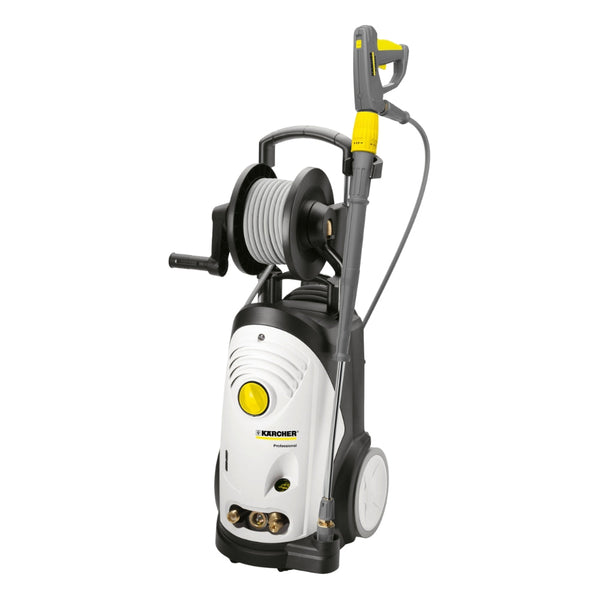 Kärcher HD 7/10 CXF: What the Food-Industry Variant Changes for Washdown ...
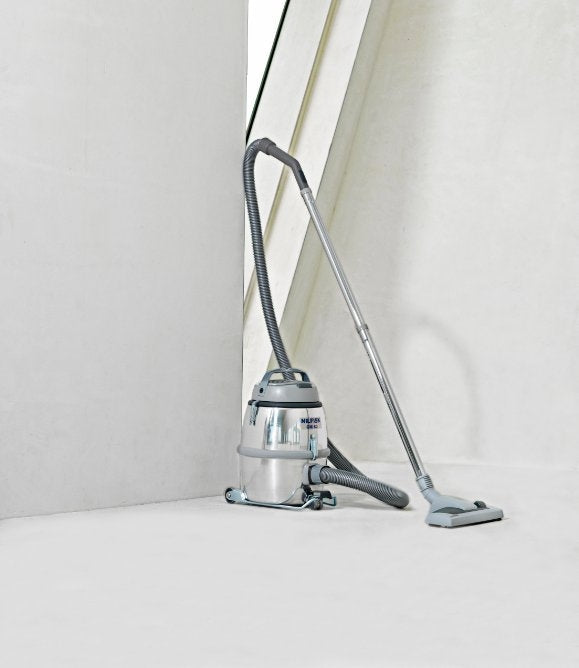 Nilfisk GM80PR Industrial Dry Vacuum: Where an Aluminium Canister Fits
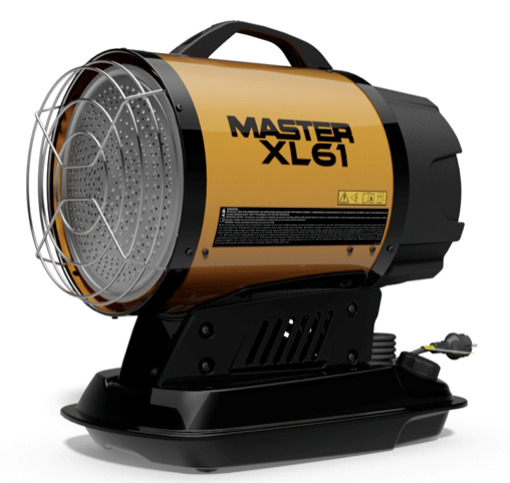 XL61 Diesel Radiant Heater (17 kW): What to Check Before Approving a Work...
 Nilfisk IVB 965-2H/M SD XC: Choosing a Twin-Motor H/M Class Extractor for...