End-of-Fit-Out Vacuum Sequence for Construction Handover Cleans
Choose the dust class first, then vacuum from ceiling voids down to the floor.
Shop now
The builder walked the new tenancy at 07:00 for handover. White dust sat on the black joinery, grit sparkled on the polished concrete, and a ceiling-void hatch dumped a grey film onto the reception desk. The crew had vacuumed the floors. They had not vacuumed the job.
Handover clean versus a maintenance clean
A construction handover vacuum cleaning sequence is not the same as a nightly office vac. Choose the dust class first, work from ceiling voids and high surfaces down to floors, keep fine dust inside a rated extractor or HEPA path, and use a wet-dry machine only for slurry or spills. Document each pass for sign-off.
A maintenance clean follows yesterday's soil. A handover or builders' clean follows cutting, sanding, plastering, grouting and traffic from other trades. The dust is finer, it hides above tiles and inside unfinished voids, and it will keep falling after you leave if you only treat the floor. SafeWork NSW's crystalline silica technical fact sheet explains that fine dust from concrete, bricks and stone becomes a health hazard when it is airborne, and that dry sweeping or compressed air can create secondary exposure. WorkSafe Victoria's crystalline silica pages cover the same family of risks on Victorian sites. That is why the first decision is the vacuum class, not the order of rooms.
Dust class choice before the first pass
Do not start a fit-out handover with a domestic vacuum or an unmarked commercial dry vac and hope the filter is “good enough”. SafeWork NSW's guidance on clean-up and disposal of silica dust tells workplaces to use an M-class or H-class rated vacuum, and not a household cleaner, where silica dust may be present. Match the machine to the dust the site has actually produced, and to the site SWMS.
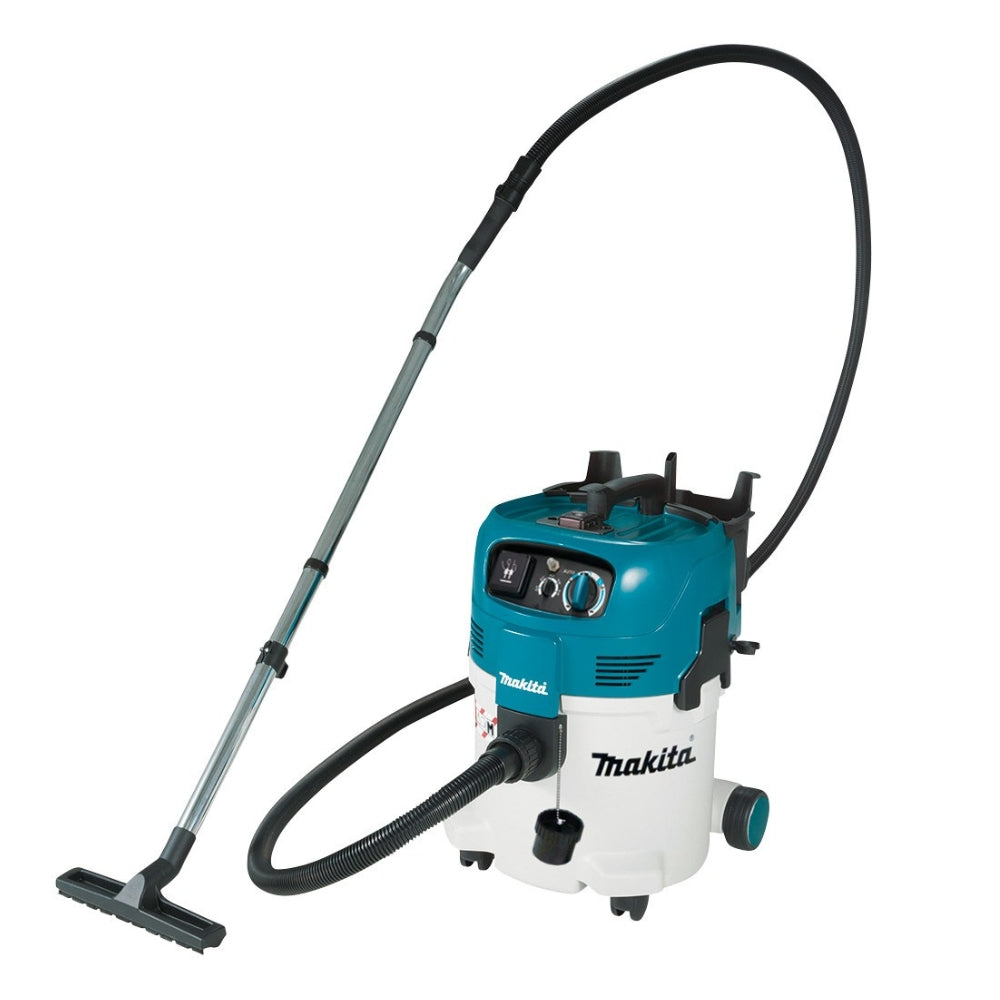
Freshway lists the Makita VC3012MX1 as a 30-litre M-class wet and dry dust extractor, approved for Dust Class M of EC regulations, with a 1,200 W motor, 25.0 kPa maximum sealed suction, 3.7 m³/min maximum air volume, a 24-litre dry and 19-litre wet usable capacity inside the 30-litre tank, a 7.5-metre cord and a 10.0 kg body. The page names concrete, brick, silica and hardwoods as the medium-hazard dusts that M-class certification is written for, and it lists an air-flow meter that alerts the operator if velocity drops below 20 m/s. That warning is a stop point: check the hose, the filter and the tank before you keep walking dust around a finished tenancy.

When the scope includes asbestos, lead dust or other health-endangering dusts named on an H-class machine page, step up. Freshway lists the Numatic HZ370 as a 15-litre dry-only H-class vacuum with a 960 W motor, 48 L/s airflow, a HEPA filter stated at 99.997 per cent efficiency, AS/NZS 60335-2-69 compliance, and a kit written around sealable HepaFlo bags. Use that class of machine only within the site's licensed procedure; it is not a general builders'-clean shortcut. Browse hazardous dust vacuums when you compare L, M and H options before the first pass, and keep an ordinary dry vac out of the silica and demolition dust stream.
Sequence from ceiling voids to floors
Fine dust falls. If you vacuum the floor first, then open a ceiling hatch, pull a light, or wipe a high ledge, you will reclean the same floor. Work from the top of the room down:
- Close or protect finished joinery, uncured coatings and open cable trays before you start.
- Vacuum ceiling voids you are allowed to open, the top of partition tracks, door heads, services trays and high sills.
- Vacuum walls, window reveals, frames and the tops of skirtings.
- Vacuum horizontal furniture, benches and sills that trades have used as shelves.
- Vacuum the floor last, including edges, expansion joints and the lift lobby where grit collects.
- Repeat the floor after a settling period if the client walkthrough is later the same day.
Use the tool that reaches the surface without scratching it. A gulper or brush on a wand belongs on high ledges; a floor nozzle belongs on the floor. SafeWork NSW airborne contaminants guidance is the reason you do not bang filters out in the new lobby or blow dust off a beam with compressed air.
Fine dust and HEPA discipline
After sanding, plastering or grout haze removal, the dust that ruins a handover is the fraction you can barely see until it sits on black joinery. Keep it inside the rated path. On the VC3012MX1 that means using the Push & Clean filter system when suction drops, and stopping when the air-flow meter warns that velocity is below 20 m/s, rather than “pushing through” a blinded filter. Empty or change the collection path in a controlled area, bag waste, and do not tip a tank in a finished corridor.
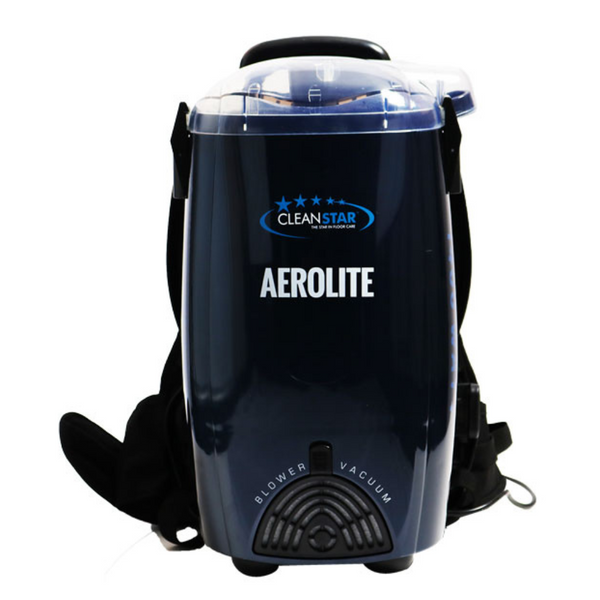
For punch-list edges, stairs and rooms where a barrel extractor will mark a new skirt, a sealed HEPA backpack can follow the first M-class pass — it does not replace that pass on silica-containing construction dust. Freshway lists the Nilfisk GD5 HEPA with a 1300 W motor, certified HEPA H13 filtration stated at 99.95 per cent, a 5-litre capacity, a 15-metre detachable cord, a 4.4 kg body and a 62 dB(A) noise figure. Use it as a dry finishing tool on surfaces the site has already released as non-hazardous fine dust, or as the edge and furniture pass after the extractor has taken the construction load. Compare other bodies in the HEPA filtration backpack vacuums and backpack vacuums collections rather than mixing an unrated bagged machine into a hazardous-dust task.

Wet-dry recovery for slurry and spills
Grout slurry, wet plaster splash, rinse water and drink spills from other trades do not belong in a dry-only H-class machine or in a dry backpack. The HZ370 page states it is dry only. The GD5 is a dry backpack. Freshway lists the Karcher NT 27/1 as a wet and dry vacuum with a motor up to 1380 W, a 27-litre container, 72 L/s airflow, 249 mbar vacuum, a washable PES cartridge filter that can stay in place when you switch between dry dust and water, a mechanical float shut-off, a 7.5-metre cable and a 7.1 kg body without accessories. That is the machine for slurry and spills, not for classified hazardous dust unless the site has assessed it for that role.
The VC3012MX1 can also take wet waste up to the listed 19-litre wet capacity, so a single M-class extractor can cover a damp patch without fetching a second machine — provided you follow the current page and do not treat wet recovery as a way to handle dry silica. Browse wet and dry vacuums when the handover includes both dust and liquid. Disposal of slurry and dust still sits under EPA NSW waste guidance; do not tip a tank into a stormwater drain.
Protecting new finishes from grit
Grit left on a new floor becomes sandpaper under boots, ladder feet and the vacuum's own wheels. Vac high first, then the floor, then look again at door sills and lift entries where sanding dust tracks back in. Keep the extractor's bumper and wheels clean; the NT 27/1 page notes an external bumper written to protect walls and furniture, which is useful in a finished tenancy if you still steer wide of raw joinery.
Do not drag metal wands across polished concrete, epoxy or freshly painted skirtings. Soft brushes and a controlled nozzle angle matter more than another pass at speed. If a coating is still curing, stay off it until the trade that applied it releases the floor. Power connections on a wet or dusty site still follow SafeWork NSW electrical and power guidance and WorkSafe Victoria electrical safety pages: dry connections, residual-current protection, and no damaged leads coiled through slurry.
Punch-list vacuum for defects
The client walkthrough will find dust the first pass missed: inside a cupboard that was fitted later, on a black window frame, under a kick, or in a ceiling hatch someone opened after you left. Build a short punch-list kit — the GD5 or another light HEPA backpack, a crevice tool, and a white cloth — and treat those defects as a second documented visit, not as a hurried wipe that smears dust into a paste.
Documenting passes for client sign-off
| Decision | Listed machine example | What to record |
|---|---|---|
| Medium-hazard construction dust, including concrete or silica named on the page | Makita VC3012MX1, M-class, 30 L (24 L dry / 19 L wet) | Dust type, class used, rooms, and any air-flow alert that stopped the pass |
| Asbestos, lead or other H-class soils in a licensed scope | Numatic HZ370, H-class, 15 L dry only | Licence or procedure reference, bag changes, and that the machine stayed dry |
| Fine dry finishing after the construction load is gone | Nilfisk GD5 HEPA, H13, 5 L, 4.4 kg | Surfaces (edges, joinery, stairs) and that no wet soil entered the backpack |
| Slurry, rinse water or spills | Karcher NT 27/1, 27 L wet and dry | Where liquid was recovered and where the tank was emptied |
Attach photographs of high surfaces and black joinery, not only of the floor. Canister and barrel options for finished rooms that do not need a classified extractor sit in the canister and barrel vacuums collection — use them only on the soil they are listed for.
Frequently asked questions
Can we use a household HEPA vacuum on a fit-out handover?
Not where silica or other hazardous construction dust may be present. SafeWork NSW clean-up guidance calls for an M-class or H-class rated vacuum and says household cleaners should not be used for that dust, even if they have a HEPA filter.
When do we need H-class instead of M-class?
Use H-class when the site scope names soils an H-class machine is written for, such as asbestos or lead dust on the HZ370 page, and only within the licensed procedure. M-class covers the medium-hazard construction dusts listed on the VC3012MX1 page.
What order should the vacuum passes follow?
Work from ceiling voids and high surfaces down to walls, furniture and then floors, and repeat the floor if dust has had time to settle before the walkthrough.
Can we dry-sweep plaster or concrete dust and then vacuum?
Avoid dry sweeping. SafeWork NSW notes that dry sweeping and compressed air can send fine silica dust back into the air. Vacuum with the class the soil requires, or use a wet method the SWMS allows.
What should we record for client sign-off?
Record the dust type, the class of vacuum used, the rooms and high surfaces completed, any wet recovery, and photographs of the surfaces that usually fail a walkthrough, such as black joinery and ceiling hatches.
Next steps with Freshway
Decide the dust class from the site scope, then assemble an extractor for the construction load, a wet-dry option for slurry, and a HEPA backpack for the punch list. Use the hazardous-dust, wet-dry and HEPA backpack collections already linked above, and confirm current tank volumes and class ratings on each product page before the first walkthrough.