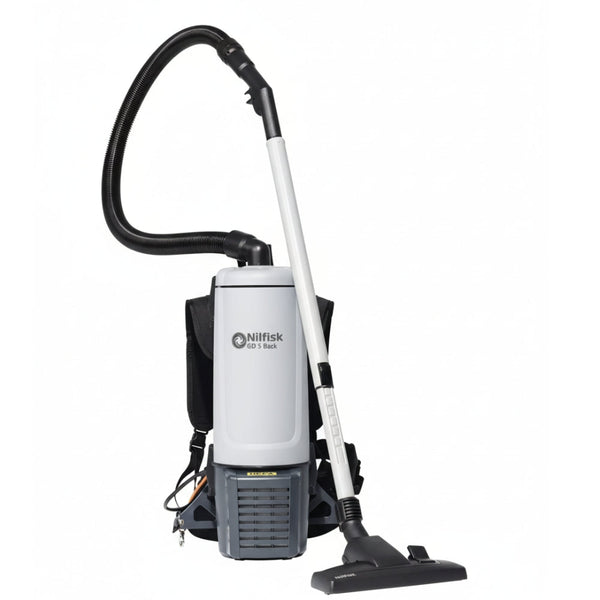
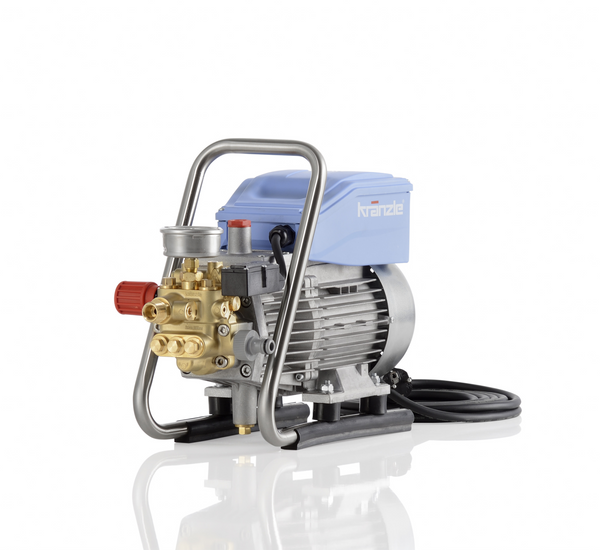
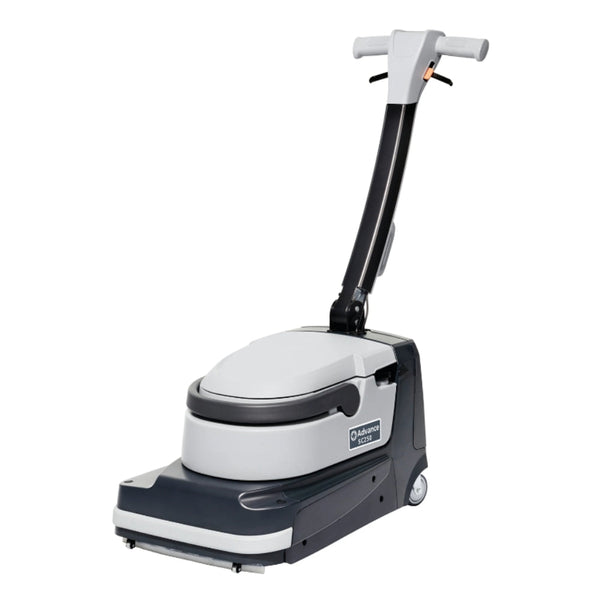
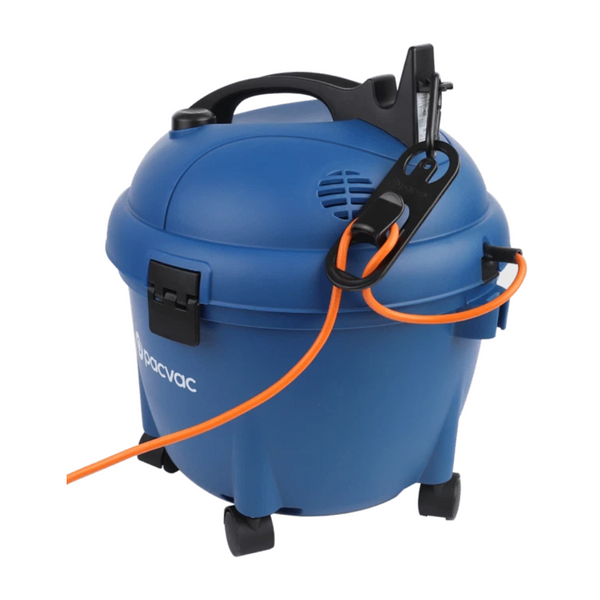
Most sites that need a dust extractor already own a vacuum cleaner, and that is exactly where the confusion starts. The two machines look similar, share accessories and are often bought from the same shelf, but they are specified for different jobs: one is designed to collect dust safely at the source of generation, the other is designed to clean surfaces. The dust extractor vs vacuum cleaner decision changes the control measures on site, the consumables the team stocks, and what happens to the dust after it has been collected.
This comparison is written for the people who have to justify the purchase - facility managers, cleaning contractors, site supervisors and procurement teams - and it works through what actually differs, which tasks each machine suits, and what to write into a specification so the distinction survives contact with a busy site.
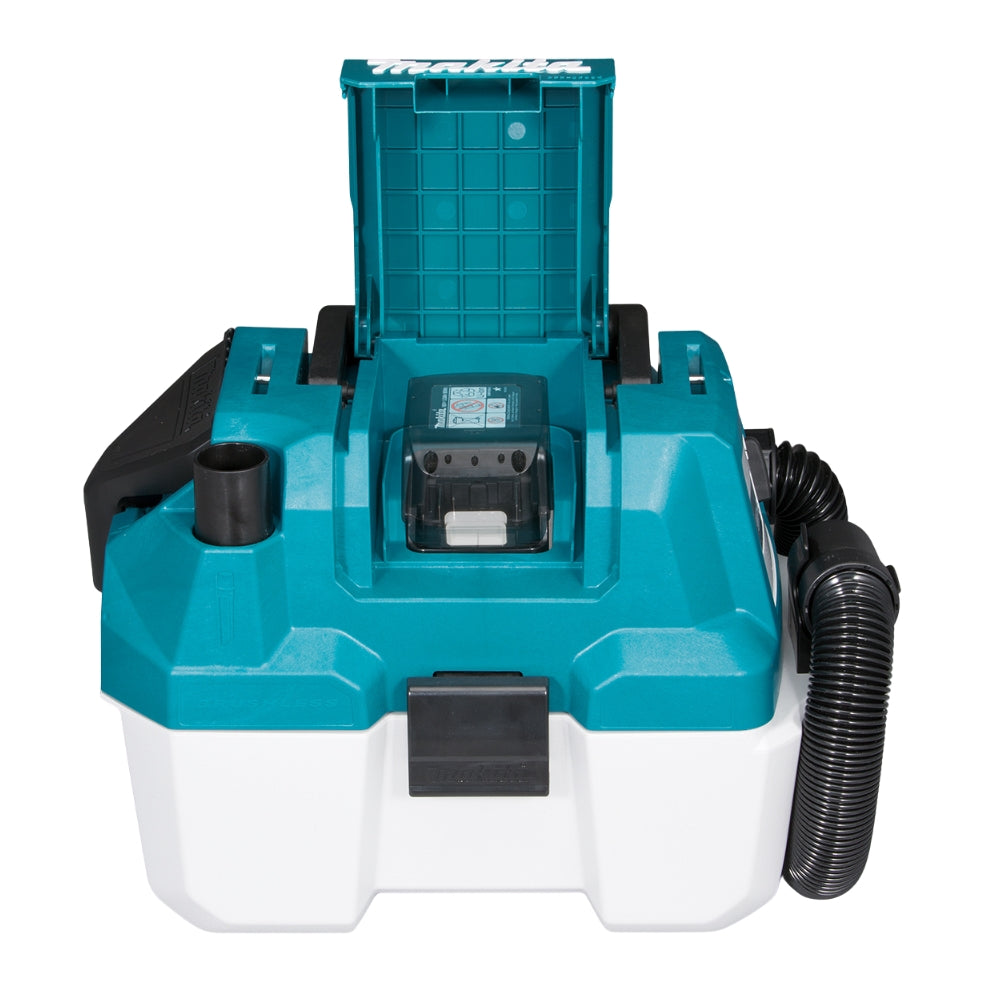
Dust Extractor vs Vacuum Cleaner: The Difference That Changes Control
The core difference is intent. A dust extractor is designed to be connected to a tool or used directly at the point where dust is generated, so that dust is captured before it becomes airborne. A commercial vacuum cleaner is designed to remove dust and debris that has already settled. That single distinction drives everything else: airflow at the tool, filter class, bag and seal design, hose and coupling specification, and the emptying routine.
In practical terms, a dust extractor usually prioritises sustained airflow through a sealed path, with a filtration system and containment designed around fine, often hazardous, dust. A general vacuum prioritises pick-up rate and convenience across a variety of soils, with capacity and ease of emptying mattering more than class compliance. Using one in place of the other is not a small substitution; it changes what the site is controlling.
The distinction also has a regulatory dimension. Where dust is hazardous - crystalline silica, wood dust, asbestos-containing material, lead or other substances with exposure limits - the control measures form part of the site's duty to manage risk, and the equipment specification is part of that control. Australian guidance is published by the regulators: WorkSafe Victoria on crystalline silica, its hazardous substances guidance and its asbestos guidance, with the framework set by the Work Health and Safety Regulations 2011 and equivalent material from SafeWork NSW.
Start With the Decision This Comparison Has to Support
Before comparing models, decide what the machine is for. There are four common situations, and they lead to different answers. The first is tool-attached extraction on a construction or fabrication task, where the machine works with a grinder, saw, sander or drill. The second is site clean-up and general cleaning after a task, where dust and debris have settled. The third is hazardous material work, where the dust itself requires containment and defined disposal. The fourth is routine commercial cleaning, where the requirement is appearance and hygiene rather than dust control.
Write down which of those situations applies, and how often each occurs. A site that does tool-attached extraction all day, every day needs a different machine from a site that does it once a month and relies on a general vacuum for the rest. Where both occur regularly, the honest answer is usually two machines, because the compromises made by a single machine show up as either lost productivity or lost dust control.
Also write down the constraints that will decide the specification in practice: the power supply, whether the machine must be carried up stairs, the hose length needed to reach the work, the physical size of the debris being collected, and the disposal route for what comes out of the machine.
Identify the Dust or Liquid Before Choosing Either Machine
Dust identification is the step that determines class. Fine dust behaves differently to coarse debris: it stays airborne longer, it travels further, it loads filters faster and it is more likely to be respirable. Mineral dust from concrete cutting, grinding and demolition can contain crystalline silica. Wood dust varies by timber and process, and some timbers have their own health considerations. Fibrous material from older buildings may contain asbestos. Metals, coatings and mixed demolition dust add further variables.
Liquids change the choice as well. A wet-and-dry machine can collect spills and wet debris, but a wet environment affects filters, bags and containment, and some filter media perform differently when wet. Where a site needs both dry dust control and wet pick-up, the machine has to be genuinely configured for each, with the changeover managed rather than assumed.
Where the dust is hazardous, the sequence is risk assessment first, then equipment. Identify the substance, establish the exposure controls, define how dust will be captured and contained, and then specify machines that match. Choosing the machine before establishing the control requirement is the most common way sites end up with equipment that is technically impressive and procedurally wrong.
Which Machine Is Required for Which Task?
Extractor at the tool; vacuum for settled dust.
A dust extractor is the correct choice whenever cutting, grinding, sanding or drilling creates dust at a point that can be enclosed or connected, because capture at the source prevents the dust becoming an airborne exposure in the first place.
Tool-attached extraction is a control measure rather than a cleaning convenience. The extractor is connected to the tool, often through a shroud or a specific port, and its airflow and filtration are matched to the tool and to the material. Where that connection is lost, adapted with a generic hose, or run through an overfilled bag, the capture efficiency falls away even though the machine is still switched on.
General cleaning is a different task. Once dust has settled on surfaces, a vacuum cleaner designed for cleaning - with capacity, tooling and filtration suited to the environment - is the appropriate machine, and it is generally more efficient at that job. In healthcare, aged care, education and food environments, filtration still matters for occupant protection, but the specification is driven by the cleaning duty and the environment rather than by tool-attached capture.
Hazardous material work sits at the strict end of both. Here the requirement is not only capture but retention and disposal: the machine, its filter, its bag, the way it is emptied and where the waste goes are all part of the control. That is the situation where a general vacuum must not be substituted, and where the consumption of bags and filters should be planned and stocked rather than improvised. Standards Australia lists the vacuum safety standard as AS/NZS 60335.2.69, which covers commercial wet and dry vacuum cleaners and is the reference behind class claims.

Airflow, Suction and Tool Performance
At the tool, airflow does the work. Suction creates the seal at the nozzle and gives the operator the familiar feel of pick-up, while airflow is what carries dust away from the source and through the machine. A machine can develop strong suction and still underperform on dust because the volume of air it moves through the tool is too low to capture the dust being generated.
That is why tool compatibility matters more than a headline figure. The connection, the shroud and the tool's own extraction port all determine how much air moves where the dust is. Adapters that restrict the bore, hoses that are too long, and nozzles that are too wide all reduce capture. On site this often looks like a machine that has "lost power" when nothing has failed - the bag has filled, the filter is loaded, or a coupling has started to leak.
The routine that keeps performance stable is short. Check and change bags before they are full, clean or replace filters on the manufacturer's interval, check hoses for blockages and couplings for leaks, and confirm the tool is the one the machine was specified with. Where the site uses several tools, standardising on one hose and connection system makes those checks quick enough to actually happen.
Dust Class, Containment and Disposal
Class determines filter, bag and often fittings, and it is the reason parts are not interchangeable between machines. Containment extends past the machine: it covers filling, transport, emptying and disposal, and it is where well-specified equipment fails in practice.
Containment failures are procedural. Overfilling a bag, emptying it in a shared corridor, carrying loose dust through a building in an open container, reusing a bag that does not seal, or cleaning a filter in a way that releases the collected dust all undo the filtration. On hazardous dust work these are method-statement items: what bag is used, how it is closed, where it is stored, who removes it, and where it goes.
Disposal is the final step and should be defined before work begins. That includes the container, the labelling, the storage point on site, and the collection arrangement. Where the waste contains a substance with specific disposal requirements, the disposal route is part of the risk control, not an administrative detail to be settled at the end of the job.
Bags, Filters and Sealed Handling
Bags and filters are the consumables that keep the machine inside its specification. The practical rules are to use the correct parts for the model, to change bags before they are full rather than when airflow collapses, to follow the manufacturer's guidance on cleaning filters where cleaning is permitted, and to treat a damaged seal or gasket as a defect rather than a minor inconvenience.
Sealed handling is the habit that connects all of it. The operator should be able to remove a full bag and close it without releasing dust, which means the design of the bag and the container matters, and it means the person doing the work should be wearing the protection the risk assessment requires. Where a machine is shared between areas or buildings, changing the bag before moving it keeps the dust where it belongs. Freshway Supplies stocks class-rated machines, filters and bags, and the guide to matching vacuum bags and filters to the right machine shows how to confirm the correct parts.

Noise, Ergonomics and Route Design
Noise decides when the work can be done on occupied sites, and ergonomics decides how long it can continue. Extraction work at the tool usually involves holding a machine or hose in position while the tool is operated, which is a physical task; cleaning work involves moving through an area with a hose that snags on corners and doorways. Both are affected by machine format.
Route design is the variable that is easiest to fix and most often ignored. Planning where the machine sits, how the hose reaches the work without crossing public areas, where bags are changed and where the machine is stored reduces both the time spent on the job and the risk of dust being spread between areas. A machine that is technically correct and positioned badly will still leave a trail of dust through a finished space.
Approval Checklist for the Final Specification
Before a machine is approved, confirm each of these points in writing so the specification survives staff changes and purchase orders.
- Task: tool-attached extraction, settled-dust cleaning, hazardous material work, or routine cleaning - and how often each occurs.
- Substance: what the dust or liquid is, whether it is hazardous, and what the risk assessment requires.
- Class and model: the dust class the machine is specified for, recorded with the model number so substitutions are visible.
- Tool connection: which tools the machine must connect to, and the hose, adapters and shrouds that keep airflow at the source.
- Containment and disposal: bag type, seal, emptying method, storage point and waste route.
- Consumables: part numbers for bags and filters held on site, with a reorder point that prevents substitution under pressure.
- Service: who repairs the machine, where parts come from, and what happens to the schedule when it stops.
That checklist is also the training document. Operators who understand which machine is for which task, and why the parts are not interchangeable, are the reason a dust control program works on the second week of a project rather than only on the first.
Questions we get asked most
- What is the main difference between a dust extractor and a vacuum cleaner?
- A dust extractor is designed to capture dust at the point where it is generated, usually connected to a tool, with filtration and containment matched to the dust class. A vacuum cleaner is designed to remove dust and debris that has already settled. The difference changes airflow at the tool, filter class, bag and seal design and the emptying routine.
- Can a shop vacuum be used as a dust extractor?
- Only where the dust is not hazardous and the capture requirement is modest. A general shop vacuum will collect debris, but it is unlikely to have the class-rated filtration, sealed bag system or sustained airflow needed for tool-attached capture of fine or hazardous dust. For silica, wood dust or asbestos-related work, specify a class-rated extractor and keep the bags and filters to spec.
- When do I need an M-class or H-class machine instead of L-class?
- The class follows the dust and the risk assessment. L-class suits lower-risk dusts, M-class suits dusts with higher exposure limits or where greater filtration is required, and H-class is used for hazardous dusts such as asbestos-related material. Confirm the requirement for your substance and task before buying, because fittings, bags and filters are class-specific and are not interchangeable.
- Why does a dust extractor lose suction when the bag gets full?
- Because airflow, not suction alone, carries dust through the machine. As the bag fills and the filter loads, the resistance in the air path rises and airflow falls, so capture at the tool drops even though the motor sounds normal. Change bags before they are full, clean or replace filters on schedule, and check hoses and couplings for leaks or blockages.
Conclusion
A dust extractor captures dust where it is generated; a vacuum cleaner removes dust that has settled. Where the dust is hazardous, that distinction is part of the control measure, and it decides filtration class, bag and seal design, disposal and the consumables the site must stock.
Match the machine to the task and the substance, keep the tool connection and bag system to specification, and write the disposal route into the method. Where a site genuinely needs both capture and cleaning, budget for two machines rather than accepting a compromise that quietly reduces control.
Compare class-rated dust extractors, hazardous dust vacuums, filters and bags in the Freshway range, or ask the team which machine suits your task and dust class.