Cleaning PPE is usually chosen from a checklist that has not changed in a decade: gloves, an apron, maybe a pair of glasses. The problem is that a generic list answers a question nobody asked. Gloves that protect against a neutral detergent are no protection against a solvent spotter or an acid descaler, and eye protection that suits a splash risk does nothing about vapour in a sealed washroom.
This guide is written for cleaning supervisors, facility managers and contractors specifying personal protective equipment for commercial cleaning work. It works from the hazard to the equipment, covers the chemicals and tasks that dominate cleaning work in Australia, and sets out the storage, fit and training habits that decide whether the equipment is worn.
Commercial Cleaning PPE Checklist: Select It From the Hazard
The starting point is the safety data sheet for each product the site uses, because it states the personal protective equipment the manufacturer expects for handling that product. Corrosives, oxidisers, solvents and sensitising chemicals require different protection, and the sheet to product match is the only defensible basis for a specification.
The second input is the task, because the same product can be handled in ways that carry different risks. Decanting a concentrate, spraying a surface, working overhead, cleaning a confined washroom and handling a spill all expose the operator differently even when the chemistry is identical. Where a task involves spraying or working in an enclosed space, protection that suits pouring is usually insufficient.
The third input is the duration and frequency of exposure. A task that lasts five minutes once a week is different from the same task performed for three hours a shift, and repeated low-level exposure to some products is the mechanism behind sensitisation and dermatitis in cleaning work. The specification should reflect what the roster actually does, not what a single task appears to require.
Define the Site Condition That Changes the Answer
Four site conditions change what the operator needs. The chemical inventory sets the glove and eye protection requirement, because products vary from neutral detergents to caustic floor strippers, acid descalers, chlorine-releasing bleaches and solvent spotters. The tasks set the exposure route: splashes, spray mist, vapour and skin contact each need different protection.
The environment decides what can be worn. Gloves that suit a two-minute task become a problem over a full shift if they make the hands hot and wet, and operators who find them uncomfortable remove them. Respiratory protection that is required in a sealed washroom may be unnecessary on an open floor, and heat in an Australian summer is a practical constraint on coveralls and respirators that the specification has to acknowledge.
The workforce decides fit and availability. Gloves in the wrong size are not worn, and equipment that has to be collected from another floor is not collected. Where a site employs staff across a range of hand sizes, or uses contractors alongside direct staff, the specification needs sizes available at the point of use and a rule about who supplies what.
Match PPE to the Chemical and the Task
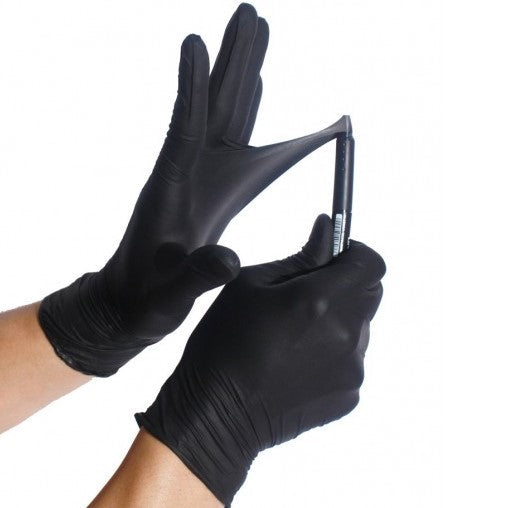
Gloves are the item most often wrong. Chemical-resistant gloves are rated for specific chemicals and breakthrough times, and the rating applies to the product being handled rather than to cleaning in general. Nitrile suits many cleaning chemicals and is unsuitable for some solvents; latex offers little chemical protection and is used mainly for hygiene; PVC and neoprene suit different families again. Reusable gloves need cleaning and inspection, and disposable gloves are single use.
Eye and face protection follows the splash risk. Safety glasses suit general work where a splash is possible, goggles seal against splash and spray, and a face shield adds protection for tasks with a high splash or where the operator is working overhead. Full face protection with goggles is the usual specification for decanting or handling concentrates with a serious splash risk.
Respiratory protection is task-specific and depends on the safety data sheet, the ventilation and the duration. Where a product requires respiratory protection for a task, the site has an obligation to select the right type, ensure it fits and train the operator in its use and limitations - and, where the task involves a hazardous atmosphere, to consider whether engineering controls or a different product would remove the need for it altogether.
Skin and body protection completes the set. Aprons, coveralls and reusable workwear suit tasks where contamination of clothing is likely, and footwear has to suit both the task and the surface: slip resistance matters on wet floors, and chemical resistance matters where concentrates are handled. Where a site's tasks include working with sharps or waste, cut-resistant gloves or handling tools may be more appropriate than chemical gloves.
Which Glove Suits Which Chemical?
Match the glove to the product and the breakthrough time on its safety data sheet.
Nitrile is the general starting point for many cleaning products and is unsuitable for some solvents, latex offers hygiene rather than chemical protection, and PVC or neoprene suit different chemical families, so the sheet for the product being handled decides the glove.
Two practical details decide whether the right glove is actually used. Fit matters: a glove that is too large reduces grip and control, and one that is too small fatigues the hand, and either way the operator takes it off. Length matters as well, because a glove that ends at the wrist does not protect against a splash that runs down the arm, which is why long-cuff gloves are specified for decanting and for tasks above head height.
Where a site handles several product families, the sensible arrangement is a small set of gloves rather than one universal pair: a general-purpose nitrile glove for everyday work, a chemical-resistant glove matched to the concentrates used, and a reusable household-style glove for tasks where repeated handling of strong products is part of the routine. Freshway Supplies stocks gloves and personal protective equipment alongside cleaning equipment, and this guide to work gloves and boots for cleaning and trade work covers the footwear side of the specification.

Eye, Face, Respiratory and Skin Protection
Eye protection is the item with the lowest compliance in cleaning work, largely because the risk is invisible until it happens. The practical rule is to match the protection to the spray and splash characteristics of the task: glasses for general work with possible splash, sealed goggles for spraying and for washroom descaling, and a face shield for decanting or handling concentrates above waist height.
Prescription glasses are not eye protection, and operators who wear them need over-glasses or goggles designed to fit over frames. Where the site issues eye protection, it needs to be kept clean and available: scratched, fogged or dirty protection that lives in a trolley bag is protection that is not worn, and anti-fog treatments and ventilation-friendly designs are worth the small extra cost.
Respiratory protection should be the last control considered rather than the first. Where a product produces vapour that the sheet says requires protection, the hierarchy runs ventilation first, then product substitution, then respiratory protection. Where protection is needed, it has to be fit-tested, correctly worn - including facial hair considerations for tight-fitting respirators - stored clean, and replaced on schedule.
Skin protection extends past gloves. Repeated wet work is the leading cause of occupational dermatitis in cleaning, and the controls are gloves that suit the task, drying the hands, and the use of after-work creams where the site's program supports them. Where a product is a sensitiser, the exposure control should be reviewed with the product supplier rather than managed with protection alone.
PPE, SDS Access and Staff Instruction
Equipment is only a control if it is worn. That depends on three things: it is available at the point of use, it fits, and the operator understands why it is required. The practical arrangement is PPE stored with the chemistry it belongs to - on the trolley, in the service cupboard, or at the washroom point where descaling happens - with sizes available and a simple rule about replacement when an item is damaged or used up.
Safety data sheets have to be accessible. For a mobile cleaner that means digital access or a card listing the products carried and their key requirements; for a fixed site it may mean a folder at the service point. The person who needs the sheet is the person holding the bottle, and a sheet filed in an office satisfies a filing system rather than a safety requirement.
Australian duties require the risks of hazardous chemicals to be managed and PPE to be selected, provided and maintained as part of those controls. The framework sits in the Work Health and Safety Regulations 2011, with practical guidance published by the regulators, including WorkSafe Victoria's hazardous substances material and the resources at SafeWork NSW. Manufacturer documentation, such as the technical and safety information published by Agar, states the protection required for a specific product.
Training should be specific and short: which product needs which gloves, when eye protection is required, when respiratory protection applies, how to check equipment before use, and what to do when a product touches skin or eyes. Freshway Supplies publishes safety data sheets by brand through its SDS library so the requirements for a product can be checked against the equipment on the shelf.
Storage, Replenishment and Fit
PPE inventory behaves like any other consumable: it runs out at the worst moment, and the substitute is usually whatever is left. Reorder points per item and per size prevent the shortages that lead to operators working without protection, and storing the equipment with the products it belongs to prevents the longer walk that ends with the task being done without it.
Inspection and replacement belong in the routine. Reusable gloves should be checked for pin holes, hardening and contamination, and replaced when the material degrades; eye protection should be cleaned and replaced when scratched; reusable respirators need filter changes and cleaning on schedule; aprons and coveralls need laundering or replacement rather than indefinite use.
Fit is the last variable and the one most often ignored. Glove and coverall sizes should be available, respirators should be fit-tested for the individual, and the equipment should suit the climate and the shift length. Where a specification is technically correct and uncomfortable, the compliance rate tells the story within a week.

What to Settle Before Ordering
Confirm the following before PPE is specified for a site or a contract, so the equipment matches the hazards rather than a template.
- Chemical inventory: every product used, with the protection its safety data sheet requires.
- Tasks: decanting, spraying, overhead work, descaling, spill response and any confined-space work.
- Gloves: the rating required for each product family, with sizes and cuff lengths specified.
- Eye and face: the protection for each task, including over-glasses for prescription wearers.
- Respiratory: whether it is required at all, and if so the type, fit-testing and filter schedule.
- Skin and body: aprons, coveralls and footwear matched to the chemistry and the floor conditions.
- Storage and resupply: where each item is held, in which sizes, and the reorder point per size.
That list converts a generic checklist into a specification that an operator can follow, and it gives a supervisor something to audit against other than the presence of gloves on a cart.
Questions we get asked most
- What gloves should cleaners wear?
- The glove that the safety data sheet for the product requires. Nitrile suits many cleaning chemicals and is unsuitable for some solvents, latex offers hygiene rather than chemical protection, and PVC or neoprene suit other families. Fit, cuff length and breakthrough time matter as much as the material.
- Do cleaners need eye protection?
- Where there is a splash or spray risk, which includes decanting concentrates, spraying, descaling washrooms and working overhead. Safety glasses suit general splash risk, sealed goggles suit spraying, and a face shield adds protection for high-splash tasks. Prescription glasses are not eye protection.
- When is respiratory protection required for cleaning?
- When the product's safety data sheet requires it for the task and the exposure cannot be controlled by ventilation or product substitution. Where it is required it has to be the right type, fit-tested, worn correctly and replaced on schedule, and the need should be reviewed against ventilation and chemistry first.
- How often should reusable PPE be replaced?
- On condition and on the manufacturer's interval. Reusable gloves are replaced when the material hardens, discolours or shows pin holes, eye protection when it is scratched or cloudy, respirator filters on schedule, and aprons and coveralls when they are contaminated or worn. Damaged equipment goes out of service rather than into the spares box.
Conclusion
Select cleaning PPE from the hazard: the product's safety data sheet, the task's exposure route and the roster's duration. Glove ratings, eye and face protection, respiratory requirements and skin protection all follow from those three, and a generic list answers none of them.
Then make the equipment available at the point of use, in sizes that fit, stored with the chemistry it belongs to, and supported by training that explains why. Protection that is comfortable, available and understood is protection that is worn, which is the only version of it that reduces risk.
Manufacturer technical information: Agar cleaning chemicals. Chemical handling and disposal guidance: WorkSafe Victoria, the Work Health and Safety Regulations 2011, SafeWork NSW and the NSW EPA.
Compare gloves, eye protection and personal protective equipment for commercial cleaning in the Freshway range.