
Graffiti and Spot Soils: Parameter and Tip Choices
Pick the surface first, then the chemical, then the lowest bar that rinses clean.
Shop now
Two tags went up on the same night: one on a bare brick wall, one on a painted steel door ten metres away. The crew used the same lance, nozzle and pressure on both. The brick came up clean with a faint shadow; the door lost its paint along with the tag. Same machine, same operator, opposite results, because the surface had never been part of the plan.
Our graffiti removal pressure washer guide covers the overall method. This article is a parameter sheet for end users who face small tags and spot soils every week and need to choose a tip, distance and chemical quickly.

Pressure washer graffiti removal parameters: the short answer
Identify the surface first, apply a graffiti remover made for that surface, let it dwell, then rinse with a fan nozzle at the lowest pressure that clears the residue. Keep the tip moving and at a safe stand-off. Avoid zero-degree and turbo tips on painted or soft surfaces, and test a hidden area.
Surface first
Sort the surface into one of three groups before touching the trigger:
- Porous and bare: brick, block, concrete, sandstone. Paint soaks into pores; chemistry is needed to draw it out.
- Painted or coated: doors, fences, signs, powder-coated poles. The aim is to remove the tag without removing the coating.
- Smooth and sensitive: glass, acrylic, stainless steel, vinyl wraps. Low or no pressure; often a cloth job.
Western Australia's heritage guide to cleaning stone and masonry recommends trialling the gentlest method first, because aggressive cleaning can permanently damage masonry.
Chemical assists by surface

For porous surfaces, Freshway lists a Bare Brick, Stone and Masonry Graffiti Remover, described as a biodegradable, penetrating formula that lifts paint from the pores of masonry.

For painted and coated surfaces, Freshway lists the Sensitive Surface Graffiti Remover, applied with a nylon-bristled paint brush, with coverage of up to 50 m² per litre in 1-litre and 5-litre sizes. At that coverage rate, a 2 m² tag uses about 40 ml (2 ÷ 50 = 0.04 litres), which makes it easy to dose a spot job without waste.
Read the safety data sheet before use. SafeWork NSW's hazardous chemicals page explains the duties for labelling, storage and PPE.
Tip and distance
| Surface | Tip choice | Stand-off | Pressure approach |
|---|---|---|---|
| Bare brick and block | 25° or 40° fan after chemical dwell | Start far, move closer slowly | Lowest that rinses residue |
| Concrete paths | 15° or 25° fan, rotary only on sound concrete | Moderate | Test patch first |
| Painted steel or timber | 40° fan or brush and cloth | Far | Very low or rinse only |
| Powder coat and signs | 40° fan | Far | Rinse only after chemical |
| Glass and acrylic | No pressure washer; cloth | Not applicable | Hand clean |
Never use a zero-degree or turbo tip on painted or soft surfaces. They concentrate the jet into a small point that can cut into paint, mortar and timber.
Spot soils beyond graffiti
The same logic covers chewing gum, bird droppings, rust marks and tyre scuffs:
- Identify the surface.
- Choose a chemical or tool suited to the soil.
- Let it dwell.
- Rinse with the widest fan that works.
A compact 10 A electric unit with adjustable pressure, such as the Kranzle KHD7/122TS listed by Freshway at 120 bar and 7 L/min, suits most spot work because the operator can turn pressure down for sensitive surfaces.
Safety and runoff
High-pressure jets can cause injection injuries; WorkSafe Victoria's high pressure water jetting alert lists the controls. Graffiti on old fibre cement fences and sheds is common; SafeWork NSW's asbestos guidance applies, so do not pressure wash suspect material.
Runoff carrying paint and solvent must not reach stormwater; the NSW EPA states the drain is just for rain. Use absorbent booms or a wet vacuum for capture.
Mistakes on graffiti jobs
- Starting with pressure instead of chemistry.
- Using one tip for every surface.
- Letting remover dry before rinsing.
- Working in direct sun, which shortens dwell time.
- Spreading the tag into a wider "ghost" by rinsing too early.
Response time matters
Fresh graffiti is easier to remove than old graffiti. Paint and marker inks continue to cure and soak into porous surfaces for days, so a tag removed within a day or two usually needs less chemical, shorter dwell and lower pressure than one left for weeks. Councils and property managers that run rapid-response programs also report fewer repeat tags, because the work is not left on display. For facility contracts, write a response time into the scope and keep a small graffiti kit on every vehicle so crews can deal with tags during routine visits rather than booking a separate trip.
Spot-soil checklist
- Surface identified and test area chosen.
- Correct remover and safety data sheet on hand.
- PPE: eye protection, gloves.
- Fan tip fitted, pressure turned down.
- Runoff capture in place.
- Before and after photos taken for the client.
- Waste chemical and used absorbents bagged and removed from site.
Frequently asked questions
What tip should I use for graffiti on brick?
A fan tip, usually 25 or 40 degrees, after the remover has dwelled. Start at a long stand-off and move closer only if needed.
Can I remove graffiti with pressure alone?
Rarely without damage or a ghost image. A remover matched to the surface does most of the work.
Why is there a shadow left on the brick?
Paint has soaked into the pores. A second application of a porous-surface remover with longer dwell usually helps.
Is it safe to pressure wash graffiti off a fibre cement fence?
Not if it might contain asbestos. Have it assessed first and follow SafeWork NSW guidance.
Next steps with Freshway
Keep a porous-surface remover, a sensitive-surface remover, fan tips and PPE in the van. Browse cleaning chemicals and pressure washer accessories, and check each product page for current pricing and full specifications.
Related articles
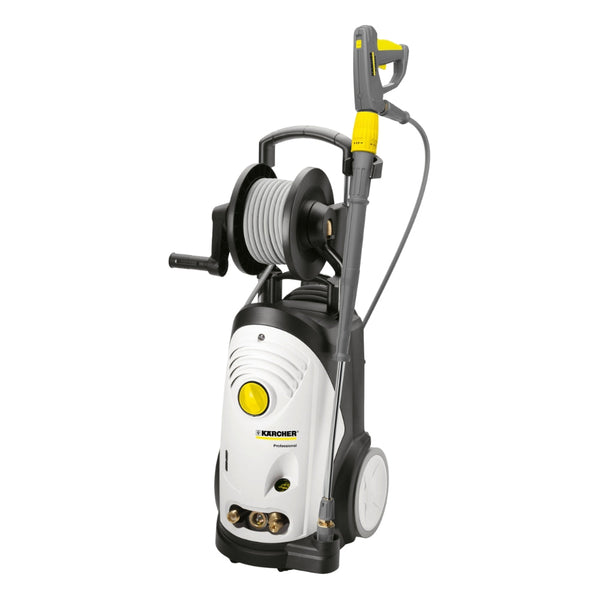 Kärcher HD 7/10 CXF: What the Food-Industry Variant Changes for Washdown ...
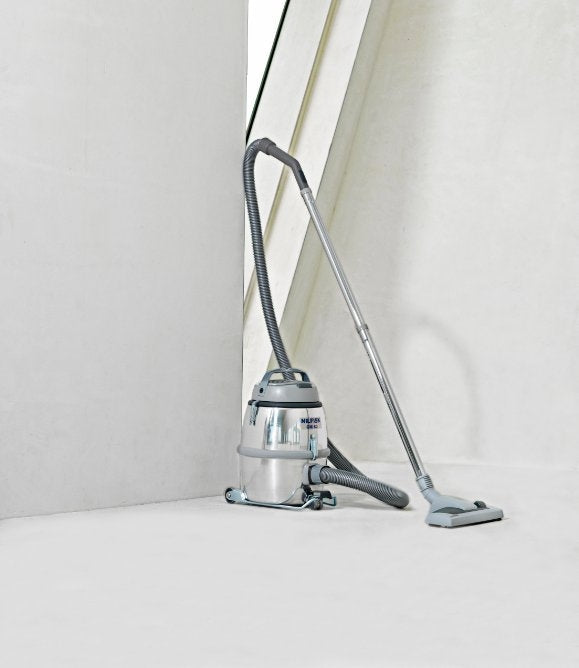 Nilfisk GM80PR Industrial Dry Vacuum: Where an Aluminium Canister Fits
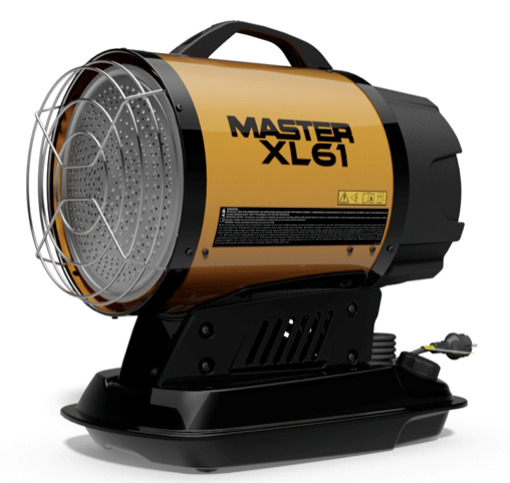 XL61 Diesel Radiant Heater (17 kW): What to Check Before Approving a Work...
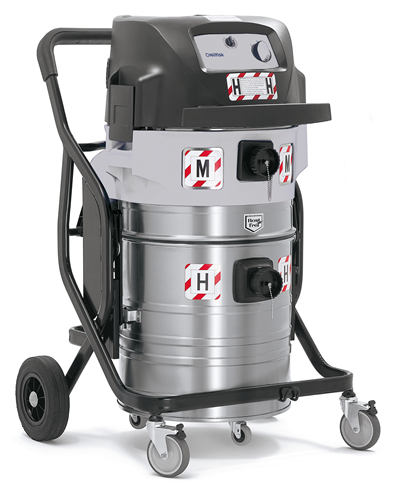 Nilfisk IVB 965-2H/M SD XC: Choosing a Twin-Motor H/M Class Extractor for...