Makita Model Numbers Explained: DHP484, DTD152, DUR189
The code tells you voltage, class and tool type. Learn it and you buy once.
Shop now
DHP484, DTD152, DUR189, DUC400, DLM464 — the codes look random until you know that each letter group describes the tool and each number describes the generation. Read this once and you can tell a drill from a trimmer, and a skin from a kit, without opening a product page.
The letter group tells you what the tool is
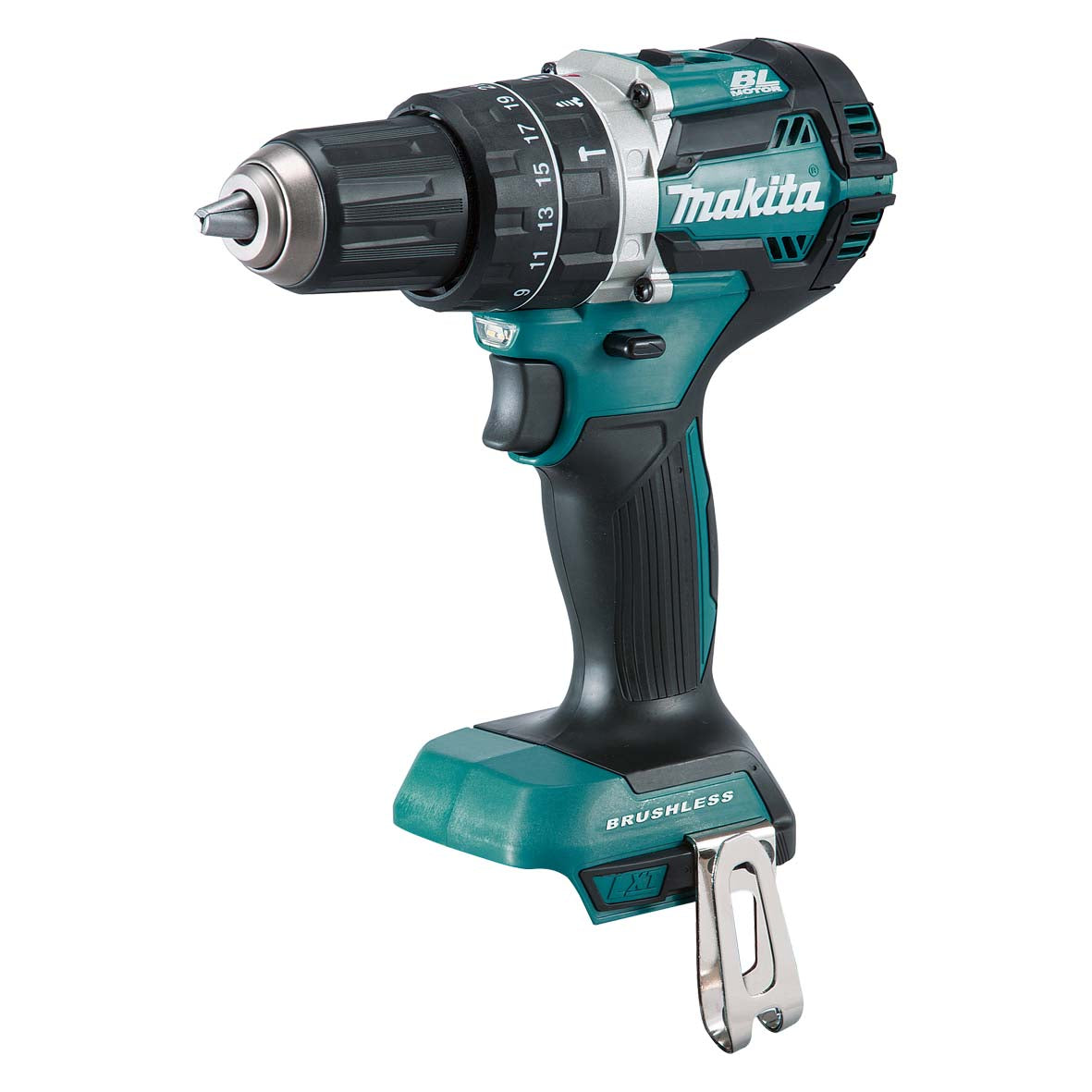
In Makita’s numbering the letters identify the tool type and the line, and the numbers identify the generation and specification. DHP models are hammer driver drills, DTD are impact drivers, DUR are line trimmers, DUC are chainsaws and DLM are lawn mowers in the range we stock. Voltage sits alongside the model.
Prices are Freshway catalogue prices as at 16 September 2026 and are subject to change. Confirm the current price, and whether GST applies, before quoting.
Decoding the models we stock
| Model | Tool | Platform | Price |
|---|---|---|---|
| DTD152 | Impact driver | 18 V | A$309.00 |
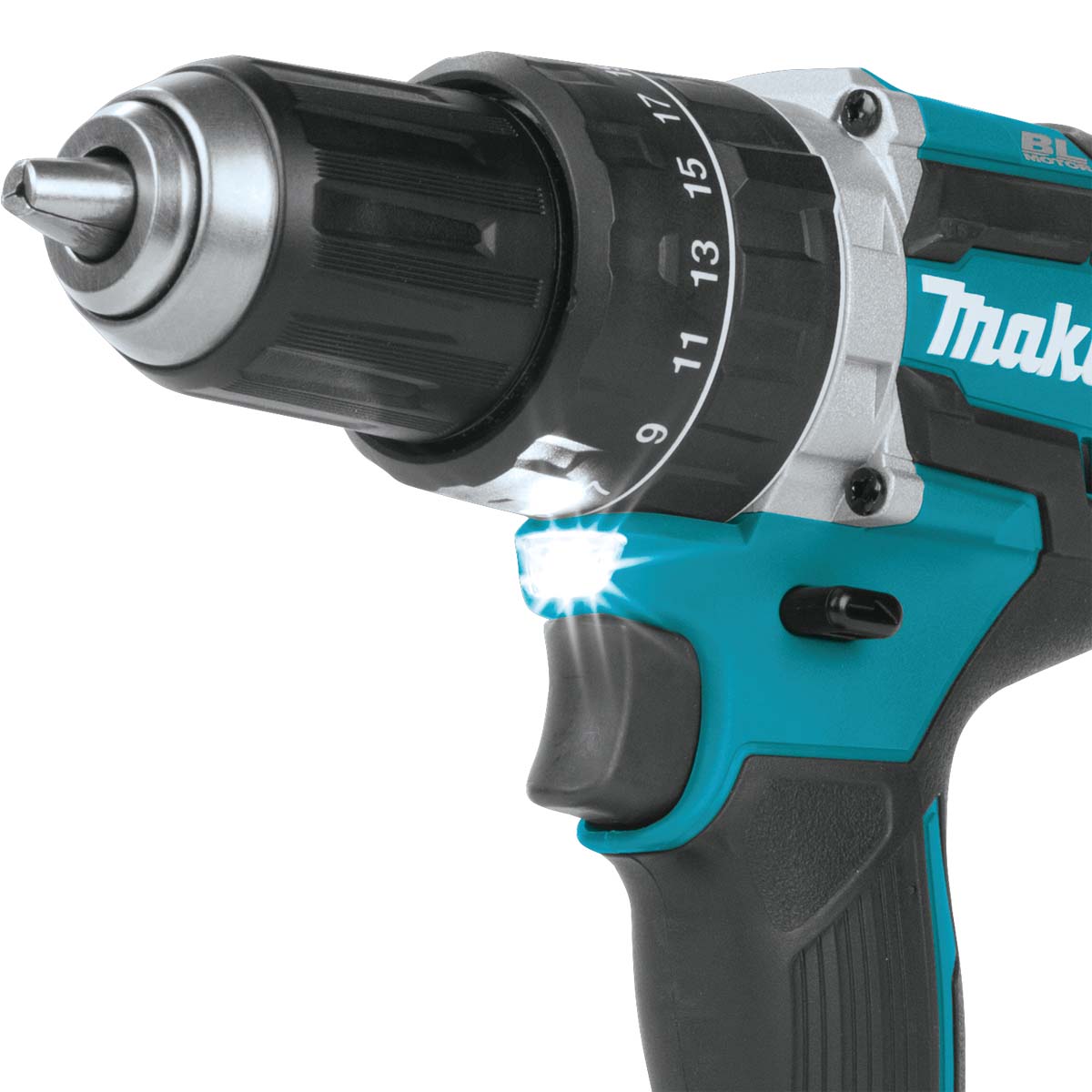
| DHP484 | Hammer driver drill, brushless, heavy duty compact | 18 V | A$369.00 |
| DUR189 | Line trimmer, brushless, curved shaft | 18 V | A$499.00 |
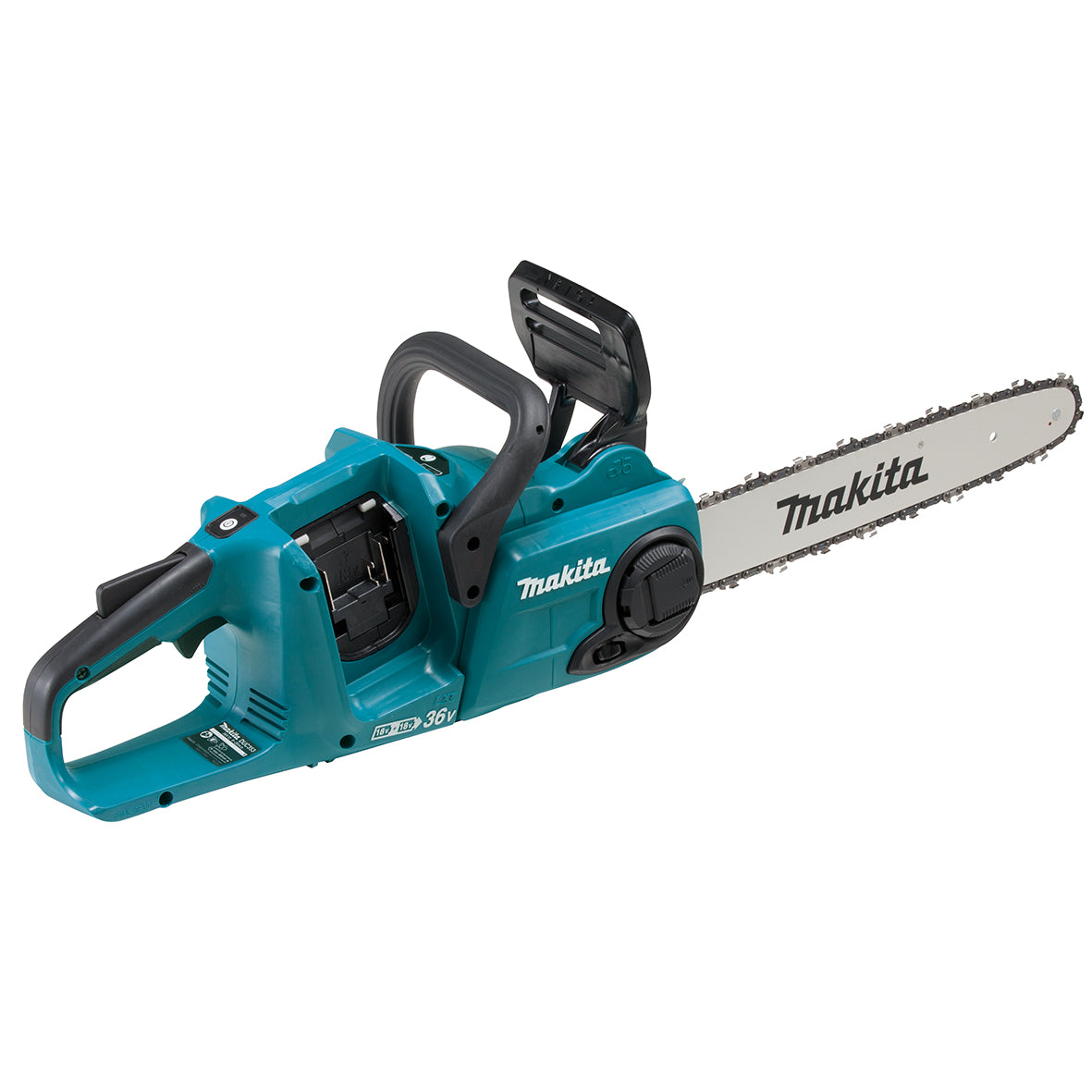
| DUC400 | Chainsaw, brushless, 400 mm bar | 36 V (18 V × 2) | A$649.00 |
| DLM464 | Lawn mower, brushless, 460 mm cut | 18 V × 2 | A$799.00 |
Two patterns are worth remembering. Outdoor equipment in the range uses two 18 V batteries rather than one, which is what the “18 V × 2” or 36 V reference means. And the description after the code matters more than the code itself: “brushless” and “compact” are the words that decide whether a tool suits daily commercial use.
Voltage, and why 18 V × 2 appears on a 36 V tool
Makita builds two battery platforms that matter commercially. LXT is the 18 V platform, and XGT is the 40 V platform. A tool described as 18 V × 2 runs on two 18 V packs in series, so the machine behaves like a 36 V tool while the operator keeps buying one battery type.
| Item | Platform | Price |
|---|---|---|
| Makita BL1830B 18 V 3.0 Ah lithium-ion battery | LXT, 18 V | A$249.00 |
| Makita DC18SD optimum charger, 7.2–18 V | LXT, 18 V | A$179.00 |
| Makita DC40RA single port rapid charger | XGT, 40 V Max | A$329.00 |
| Makita ADP10 18 V LXT charger adaptor | Cross-platform charging | A$129.00 |
| Makita PDC01 battery adaptor, 191A53-7 | Adaptor to LXT 18 V | A$184.00 |
The ADP10 is the item that confuses people most often, because it lets an LXT 18 V battery be charged on a 40 V-capable charger rather than requiring a second charger on the van. Where a site runs both platforms, that adaptor is usually cheaper than a duplicate charger.
Skin only, kits, and the letter that saves money
A specification ending in Z indicates the tool body without battery or charger, which is why the same model appears at two very different prices across retailers. If a site already runs the platform, buying skins is the rational choice; buying a kit duplicates batteries that then sit in a cupboard. The practical rule is to count how many batteries and chargers the site actually cycles before adding any more.
Finding the model and serial number
Both numbers are on the tool body, usually on a plate or a moulded panel near where the battery seats. The model number identifies the tool and the generation; the serial number identifies the individual unit, which is what warranty claims and repairs are processed against. On batteries, the model and serial are on the underside label.
Where a number has worn away, a photo of the tool is usually enough for us to identify it, because the housing shape and the battery interface date the generation.
Matching a battery to a tool you already own
Before buying a battery, confirm the platform rather than the voltage: an 18 V LXT pack and a 40 V XGT pack are not interchangeable, and a 36 V tool that runs on two 18 V packs is not a single-battery machine. If you send us the tool model, we will confirm which battery, charger and adaptor combination it needs rather than selling you a second platform by accident.
Charging safety on site
Battery tools move the safety question from the tool to the charger. SafeWork NSW covers the electrical side in its electrical and power guidance, and the practical controls on a job site are the same ones that apply to any cordless fleet: undamaged leads and chargers, charging in a ventilated area away from flammable material, no charging in a wet area, and withdrawing swollen or damaged packs from service immediately. Our service and repair team handles tool faults across the Makita range.
Questions we get asked most
- What is the difference between Makita 484 and 485?
- We stock the DHP484 and not the DHP485, so we cannot compare them from our own listings. If the decision is between those two, send us the job the drill has to do and we will confirm which specification in our range matches it rather than guessing at the difference.
- Which Makita DHP is best?
- The DHP484 we stock is the brushless heavy duty compact tier at A$369.00, which is the appropriate specification for daily commercial use. A lighter drill is the better buy where the work is occasional and the tool has to be carried all day.
- What are the specifications of the Makita DHP484?
- Our listing specifies 18 V, brushless, in the heavy duty compact hammer driver drill tier. Makita’s own specification sheet is the source for torque, chuck capacity and speed figures, and we will send it to you on request rather than paraphrase it.
- What does LXT mean on Makita?
- LXT is Makita’s 18 V battery platform, which is why an 18 V battery and its charger are both described as LXT. XGT is the separate 40 V platform, and the two do not interchange.
- Where can I find my Makita model number?
- On the rating plate or moulded panel on the tool body, usually near the battery mount, with the serial number alongside it. Battery packs carry their model and serial on the underside label.
References
Tool won’t take a battery you already own?
Send us the tool model and the battery model and we will confirm whether they belong to the same platform, and what adaptor or charger makes them work together. Browse Makita or ask our team.