The right toilet-roll format is the one that keeps the cubicle supplied between service rounds without creating unnecessary waste, storage complexity or dispenser problems. Jumbo rolls increase capacity per refill; standard rolls are flexible and familiar. The decision should be based on measured consumption, dispenser design and labour rather than roll size alone.
Begin with Consumption Between Service Rounds
Measure how many rolls each cubicle uses over representative weekdays, weekends and peak events. Record emergency refills and rolls removed before empty. The requirement is not average daily use; it is enough usable capacity to reach the next reliable service round with a sensible buffer. Safe Work Australia’s facilities code notes that toilet cleaning schedules should reflect worker numbers, shifts, work type and contamination likelihood.
How Jumbo and Standard Formats Change the Workflow
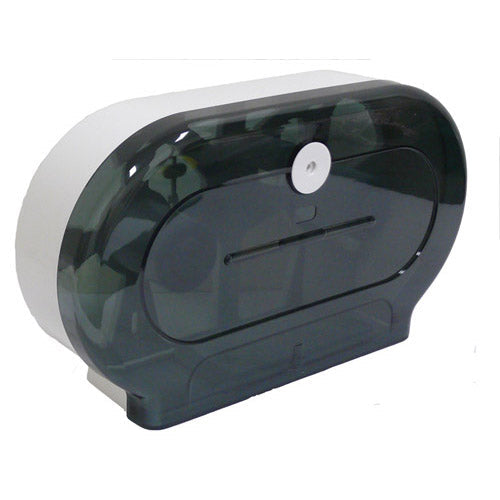
Jumbo systems concentrate more paper into each loaded roll and can reduce refill visits in busy locations. Standard rolls are easier to distribute across many dispenser types and can suit lower-volume areas. Twin-roll and interleaved systems change the comparison by providing reserve capacity or controlled sheet presentation.
| Decision factor | Jumbo roll system | Standard roll system |
|---|---|---|
| Capacity per loaded roll | Higher; useful for long intervals | Lower; may need more frequent checks |
| Dispenser footprint | Usually larger and format-specific | Often smaller with broader familiarity |
| Refill labour | Potentially fewer changes | More changes at high use |
| Partial-roll handling | Can create large remnants if changed early | Smaller remnant exposure |
| Storage | Fewer rolls but larger units | More individual rolls and cartons |
Model Refill Labour Instead of Comparing Pack Price
Track the minutes needed to collect stock, open the dispenser, move or replace the roll and record the service. Multiply by real change events, including emergency visits. Do not invent a labour saving before the dispenser trial; access distance and key management can outweigh the physical roll change.
Check Dispenser Compatibility and Usable Capacity
Confirm roll diameter, core, width, spindle and reserve-roll mechanism against the dispenser specification. A roll that fits loosely or binds may not deliver its stated capacity. Test the last portion of the roll, not only a full roll.

Control Runout Risk with Reserve Capacity
A twin-roll or reserve system can be more important than the headline roll size. Review whether users can access the second roll, whether staff can see remaining stock and whether the mechanism prevents both rolls being consumed at once. Set a refill trigger based on remaining usable capacity. Safe Work Australia states that workplace toilets should be clean, safe, accessible and supplied with toilet paper and handwashing facilities.
Account for Waste and Partial Rolls
Waste occurs when cleaners replace a roll too early, users access reserve stock prematurely or dispensers damage paper. Audit the bin and cleaning trolley for partial rolls. Standardise how remnants are managed under site hygiene rules rather than returning loose rolls to general stock. The Australian Government Sustainable Procurement Guide supports assessing lifecycle effects rather than treating lowest purchase price as the only decision factor.

Plan Storage, Delivery and Floor-Level Stock
Compare carton dimensions, roll count, storage shelves, delivery access and the number of cubicles served. Large rolls may reduce unit count but use different shelf geometry. Keep floor stock dry and protected, and avoid filling cleaner’s rooms beyond safe access capacity. WorkSafe Victoria provides additional official context for adequate, clean workplace amenities.
Run a Controlled Washroom Trial
Trial comparable washrooms over several service cycles. Record roll changes, emergency refills, partial-roll waste, complaints and time per service. Keep traffic and cleaning frequency visible so the result is not attributed to the roll format alone. For lifecycle purchasing, the Department of Finance guidance explains that value for money includes relevant costs and benefits over the procurement lifecycle.
| Trial measure | Collection method | Decision use |
|---|---|---|
| Roll changes | Cleaner tally by cubicle | Estimate routine refill workload |
| Emergency visits | Helpdesk or supervisor log | Test capacity buffer |
| Partial-roll waste | Count or weigh under site method | Identify early-change behaviour |
| Dispenser faults | Record jams, tearing and key issues | Confirm mechanical compatibility |
| User complaints | Categorise access, softness and runout | Separate preference from supply failure |
Choose One Format Per Service Pattern Where Possible
Standardising compatible dispensers and roll formats reduces keys, stock lines and training. Exceptions may still be justified for executive areas, accessible facilities or remote blocks with different traffic. Document the reason so later procurement does not create accidental fragmentation.
The Australian Building Codes Board provides the broader building-code framework; dispenser location and accessible-facility requirements should be confirmed for the specific building and jurisdiction rather than inferred from a consumables comparison.
Build a Site-Level Cost Model Before Converting Dispensers
Compare the annualised paper purchase, dispenser purchase or lease, installation, keys and spare parts, refill labour, emergency callouts, partial-roll waste and storage handling. State every assumption and run the model with measured site consumption rather than a supplier’s generic saving percentage. Keep user experience and accessibility as release gates, not costs to be traded away silently.
Test sensitivity to peak demand and delivery delay. A format that looks efficient at average use may fail when an event doubles traffic or cartons arrive late. Include the cost of carrying a practical buffer and the time required to distribute stock from the storeroom to each washroom.
Roll Out the Chosen Format Without Creating Two Systems
Pilot one building zone, confirm dispenser performance through the last sheet and train cleaners on refill triggers and remnant handling. Record existing dispenser locations, keys and wall condition before conversion. Plan removal or reuse of old equipment rather than leaving mixed formats in adjacent cubicles.
After rollout, review consumption, service time, stockouts, faults and complaints at defined intervals. If results differ from the trial, check traffic and staff behaviour before blaming the paper. Update purchasing codes and storeroom labels so obsolete rolls are not reordered.
Frequently Asked Questions
Are jumbo toilet rolls cheaper than standard rolls?
Not automatically. Compare usable paper, carton cost, refill labour, partial-roll waste, storage and dispenser costs under the same site conditions. A trial gives a more reliable answer than pack price alone.
Which toilet roll is better for high-traffic washrooms?
A jumbo or reserve-capacity system often reduces runout exposure, but only if it matches the dispenser and service interval. Measure consumption and test the complete roll before standardising.
Can jumbo rolls fit a standard dispenser?
Usually not. Confirm roll diameter, width, core and spindle against the dispenser specification. Forcing an incompatible roll can cause binding, poor dispensing and misleading capacity results.
How much reserve stock should a washroom hold?
Set reserve stock from observed peak consumption, the time to the next reliable service round and delivery risk. Avoid a universal number; the requirement varies by traffic, dispenser capacity and site access.
Make the Next Decision from Site Conditions
Choose roll format by the service system around it. Consumption, reserve capacity, refill labour, dispenser reliability and partial-roll waste determine the better option for each traffic pattern.
Compare available formats in Freshway Supplies’ toilet paper collection and verify dispenser compatibility before changing a site standard.