Government and Public Facility Cleaning Supplies
Public facilities get judged on smell. Disinfect and deodorise in one pass.
Shop now
Government and public-facility cleaning supplies are bought against a written specification, and the evaluation usually weighs documentation as heavily as the product itself. This guide is for facilities and procurement teams who need a pack that will survive a tender, a panel review or an audit. It is not a price list, and it does not invent disinfectant contact times or certification claims that the label or SDS does not state.
How should a government or public facility buy cleaning supplies?
Buy against a written specification and assemble the evidence pack before you tender. Include a current safety data sheet for every chemical, the label dilution, and only the contact time the label or SDS actually states. Add accessibility notes for dispensers and a substitution rule for when a line is unavailable.
Current ranges for this sector are in the Government and Public Services collection. Safety data sheets for Freshway chemicals are published on the Freshway safety data sheets page. Most public-sector supply also runs on purchase orders and invoicing rather than a card per order; the trade account policy sets out how that account is documented.
What the specification has to cover
A public facility is not a single soil type. A council civic centre, a school hall, a clinic waiting room and a depot wash bay share a procurement process, but they do not share a chemistry. Write the specification by area and by task: floors, washrooms, food rooms, healthcare-adjacent hard surfaces, and outdoor hardstand. For each task, name the surface, the soil, the product type, and the evidence you will accept (SDS, label grade, and any stated contact time).
Hospital-grade and commercial-grade are not interchangeable labels. In Australia, hard-surface disinfectants are labelled as hospital, household or commercial grade according to intended use and the performance testing the product has passed. Confirm that wording on the current label, and treat the Therapeutic Goods Administration's published disinfectant-regulation guidance as the official source for what those grade names mean. This draft does not claim an ARTG number, a log reduction or a contact time that the live label does not state. If a tender asks for hospital grade, require the current label and SDS, not a brochure paraphrase. For the wider chemical choice between bleach and a formulated disinfectant, keep the grade and the label in the pack rather than treating the two as interchangeable.
Chemicals, SDS and what “hospital grade” actually means
Every chemical on the tender should have a current SDS that can be handed to the panel without delay. SafeWork NSW sets out hazardous chemical duties, including general requirements and chemical labelling. WorkSafe Victoria explains why safety data sheets have to be available to the people who use the product, not just filed in a procurement folder.

Agar Tango is also listed as a hospital-grade disinfectant. Its September 2024 Agar SDS gives Signal Word Danger, Skin Corrosion/Irritation Category 2 and Eye Damage Category 1 (H315, H318), and it is not classified as Dangerous Goods. Freshway disinfectants such as Boronia 225 are described on their product pages as concentrates for mopping or spray-and-wipe; this draft does not assign them a hospital-grade claim that those pages do not make. Dilution and any contact time come from the label, not from a guessed minutes figure.
Healthcare and aged-care sites have tighter documentation again. For that setting, use the sector guide to cleaning supplies for aged care and healthcare facilities rather than stretching a civic-centre specification to cover clinical areas. Victorian infection-control advice on cleaning and waste disposal procedures is a useful official reference for health settings; it is not a substitute for the facility’s own infection-control procedure.
Washrooms, dispensers and accessibility
Public washrooms are judged on whether the consumable is actually in the dispenser, and whether a person can reach it. Specify jumbo or mini-jumbo systems by dispenser capacity and refill labour, not by a unit-pack preference. The paper and washroom products collection, and the guide to jumbo versus mini-jumbo versus standard rolls, cover that choice. A colour-coding system for cloths and tools should be written into the specification so it is followed under time pressure.

Public buildings have duties to users with disability that reach into dispenser placement and circulation around cleaning equipment. This draft does not invent a mounting height. Put the required reach range into the specification from the Premises Standards or the site’s access report, and check that the proposed dispenser can be mounted to that range. Storage for trolleys and mop systems should not block an accessible path.
Floors, food rooms and outdoor areas
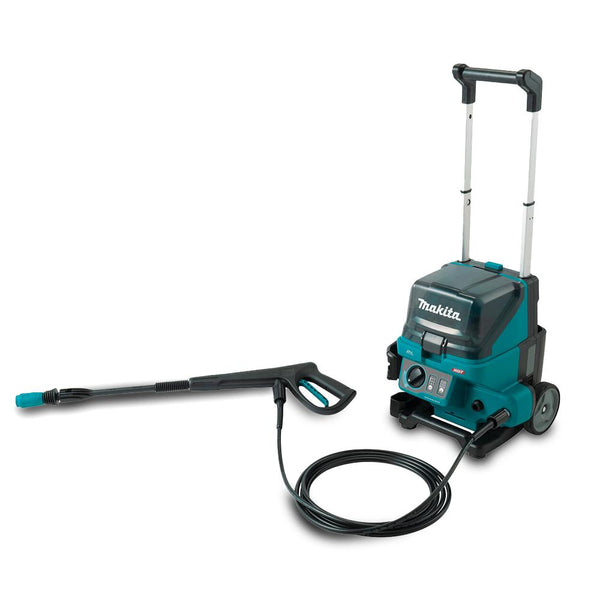
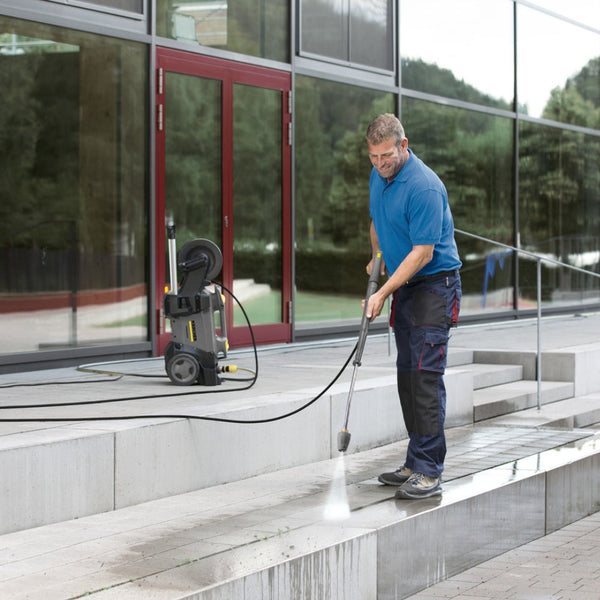
Neutral floor chemistry and a stated dilution belong in the pack for sealed hard floors. Freshway Neutralex 383 is listed as a pH-neutral floor cleaner and is in stock, but it is not photographed here because similar floor cleaners are already used on other Freshway guides. Food rooms, if the facility has them, should follow Food Standards Australia New Zealand guidance on cleaning and sanitising, with food-contact and non-food-contact tasks separated. Outdoor hardstand and graffiti or pressure-washing work needs a runoff plan as well as a machine specification.
Building the documentation pack
| Area of the specification | What to require, without inventing figures |
|---|---|
| Hard-surface disinfection | The grade named on the current label (hospital, household or commercial), the SDS, the label dilution, and only the contact time the label or SDS states. |
| Floors | A named floor chemistry with a stated dilution, plus the SDS. Do not assume a disinfectant is also the daily floor cleaner unless the label supports that use. |
| Washrooms and consumables | Dispenser type, lockability, and mounting as an accessibility requirement, plus the roll or towel system that fits that dispenser. |
| Food rooms, if present | Food-contact and non-food-contact tasks kept separate, with cleaning and sanitising documented as the facility procedure requires. |
| Substitution | A written rule for equivalents, including the evidence the replacement must carry, and who approves the change. |
A practical pack, ready before the closing date, usually includes:
- Current SDS for every chemical proposed, with the issue date visible.
- Label dilution, and only the contact time the label or SDS states, for each surface the specification names.
- A colour-code chart that matches the cloths and bottles that will actually be delivered.
- A consumable forecast method based on measured use per site, not a guess copied from another building.
- A substitution rule: what happens if a line is out of stock, who approves an equivalent, and what evidence the equivalent must carry.
- Accessibility and mounting notes for dispensers and equipment storage.
Do not write a contact time into the pack because a previous tender used one. If the current label is silent, say so and ask the supplier for the current label, rather than inventing a number.
Continuity, substitution and the account
Public contracts often run for years. The panel will ask whether the same SKU will still be available, what happens if it is discontinued, and whether supporting consumables remain available. Answer that in the substitution policy, not in a verbal assurance. The trade-account path is for purchase-order handling and consolidated invoicing; it is not itself a panel appointment. Confirm the buyer’s current procurement rules, including any whole-of-government arrangement that may apply in that state, rather than assuming a named panel still covers janitorial supply.
Frequently asked questions
How do government bodies buy cleaning supplies?
Usually against a written specification, through a tender, a panel or the agency’s own procurement rules. Compliance documents are assessed with the product. Prepare current SDS, label dilutions and any stated contact times before the closing date, and confirm which buying arrangement actually applies.
What documentation belongs in a public-sector cleaning pack?
Current safety data sheets, label dilution and only the contact time the label states, a colour-code chart, a consumable forecast method, a substitution rule, and accessibility notes for dispensers. Sustainability evidence should be included only where the tender asks for it and the line can actually support the claim.
Does hospital grade mean the same as commercial grade?
No. The TGA explains that hard-surface disinfectants are labelled hospital, household or commercial grade according to intended use and the testing the product has passed. If the specification asks for hospital grade, require the current label and SDS. Do not treat a commercial-grade disinfectant as hospital grade because the active ingredient looks similar.
Can a supplier substitute a product during a contract?
Only inside the substitution rule agreed at award. Public contracts generally require equivalent or better specification and documentation, and a written record of the change. An unrecorded swap is a compliance problem, not a favour.
Delivery and Click & Collect
Click & collect from our warehouse at 208 Princes Highway, Arncliffe NSW 2205 is available by prior arrangement only. We will notify you when the order is ready for collection, or contact us on 1300 567 002 for a delivered quote to your site.