Maintenance Checklist: Daily Weekly Monthly Floor Scrubbers
Five minutes a shift keeps a scrubber drying clean for years.
Shop now
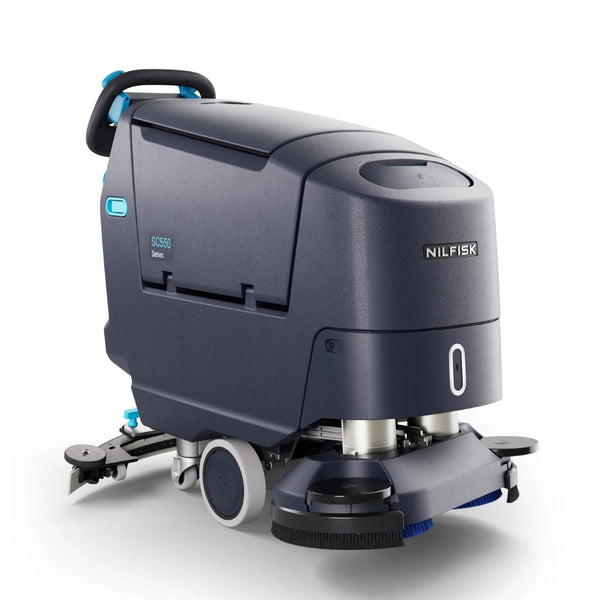
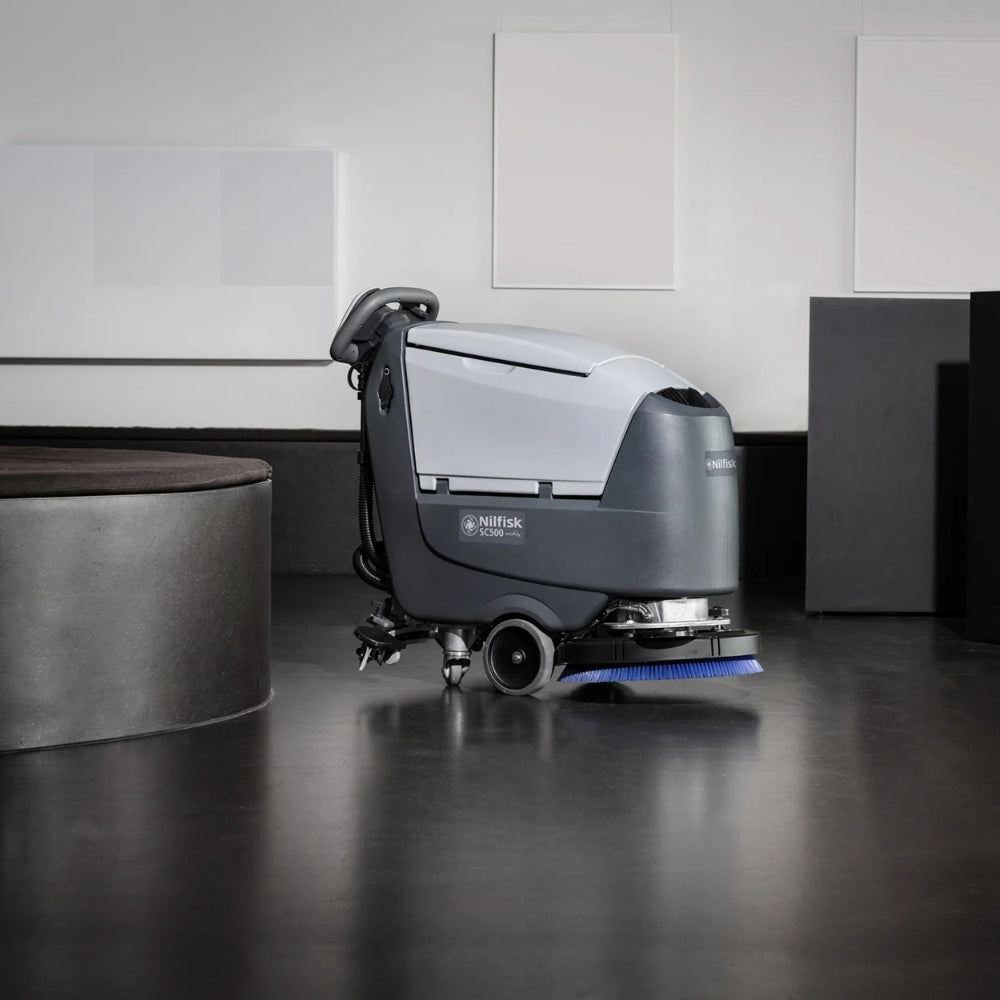
Four hours. That is the continuous runtime Freshway lists for the Nilfisk SC500 on its 24V battery system, and it is also the figure that quietly shrinks when a machine is put away dirty. Recovery tanks left full, squeegee blades worn on one edge and chargers unplugged early all eat into runtime and drying quality long before a breakdown shows up.
Our existing floor scrubber maintenance checklist covers the basics. This version is a case review: it follows one walk-behind machine through a day, a week and a month, and shows where each task saves a service call.
Floor scrubber maintenance checklist: the short answer
Every shift, empty and rinse both tanks, wipe the squeegee, clean the debris tray and put the machine on charge. Weekly, rotate or flip squeegee blades, check brushes or pads and clean the vacuum filter. Monthly, inspect hoses, seals, wheels and battery connections, and record faults in a log.
Daily: dump, rinse, wipe
The daily routine takes about five minutes and has the biggest effect on smell, drying and motor life.
- Drain the recovery tank at the dump point, then rinse it with clean water.
- Drain any leftover solution so detergent does not settle in lines.
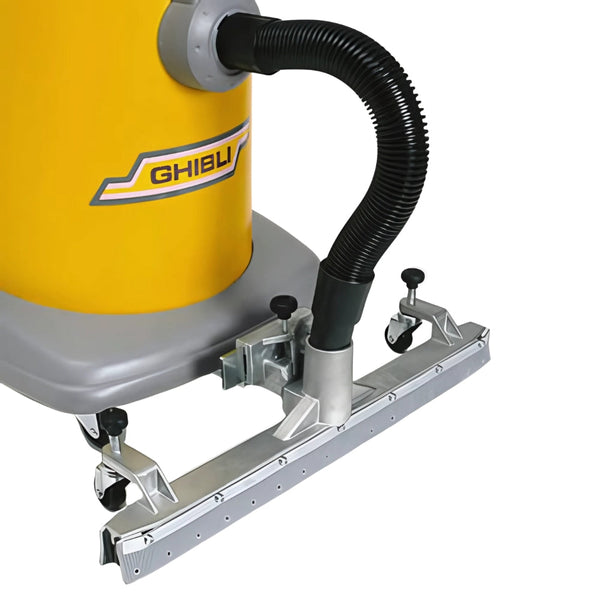
- Lift off the squeegee and wipe both blades; remove hair and grit.
- Empty the debris tray or float filter.
- Leave the tank lid open so the inside dries.
- Put the machine on charge in a ventilated area.

Weekly: wear parts
Weekly checks focus on parts that touch the floor.
- Squeegee blades: flip or rotate when the wiping edge is rounded. A worn edge leaves water trails that become slip hazards.
- Brushes and pads: check bristle length and pad thickness; swap pads that have glazed.
- Vacuum motor filter: tap out or rinse per the machine manual and let it dry fully.
- Solution filter: clear any fibres so flow to the brush stays even.
Capital Equipment's list of floor scrubber quick fixes is a handy AU reference for the most common streaking and suction faults, most of which trace back to these weekly items.
Monthly: deeper inspection
Once a month, set aside twenty minutes for a closer look:
- Recovery hose for cracks or blockages.
- Tank lid seal for tears, which cause weak suction.
- Wheels and castors for wrapped string or flat spots.
- Battery terminals for corrosion and loose leads (battery machines only).
- Charger cable and plug for damage.
Electrical plant used in a workplace needs regular checks; SafeWork NSW explains electrical inspection and testing duties. Leave tagging and electrical repairs to a licensed person.
Battery care in practice
Most walk-behind battery scrubbers live or die by charging habits. Charge after every shift rather than topping up mid-way unless your battery type and charger are designed for opportunity charging. Store the machine charged and away from heat. For lithium-ion packs, SafeWork NSW's lithium-ion battery guidance covers storage, charging and damaged-battery risks.
Who does what on a shared machine
On multi-crew sites the daily tasks slip because everyone assumes the last shift did them. Assign the drain, rinse and charge steps to the operator who finished with the machine, and give the weekly checks to one named supervisor. Write both names on the log.
Draining and lifting tanks is also a manual task. WorkSafe Victoria lists injury hotspots in cleaning, and SafeWork NSW's hazardous manual tasks page explains how to reduce repetitive bending and lifting. Use the drain hose at a floor-level dump point instead of tipping a full tank, and keep a short hose handy for refilling so nobody carries buckets.
Squeegee life and drying quality
Water left on the floor is the first sign of squeegee trouble. Before ordering new blades, check:
- Blade height and tilt are set for the floor.
- The suction hose is clear.
- The recovery tank is not overfull.
- The lid seal is intact.
Spare blades and tools sit under floor squeegees.
Brush and pad choice during maintenance
Maintenance is a good time to confirm the right brush or pad is fitted. Hard brushes on soft floors and stripping pads used for routine cleaning both shorten floor life and load up filters faster. Keep a labelled spare set beside the charger.

Maintenance log and repair triggers
| Interval | Task | Time | Repair trigger |
|---|---|---|---|
| Daily | Drain, rinse, wipe squeegee, charge | 5 min | Bad smell or foam in recovery tank after rinse |
| Weekly | Flip blades, check brushes, clean filters | 15 min | Trails left after blades rotated |
| Monthly | Hoses, seals, wheels, terminals, cable | 20 min | Cracked hose, damaged cable, hot terminals |
| Ongoing | Record runtime per charge | 1 min | Runtime drops noticeably week to week |
A simple log, kept on a clipboard or phone, turns vague complaints into evidence a technician can use.
When to call for repair
Stop using the machine and book a service if you see a damaged charger cable, smell burning, notice swollen batteries, or the vacuum motor runs but suction is gone after all filters and seals are checked. Our service and repairs page lists how to arrange one in Sydney.
Frequently asked questions
How often should scrubber squeegee blades be replaced?
Rotate or flip them first; most blades have more than one wiping edge. Replace them when every edge is worn and the machine still leaves trails after the height and hose have been checked.
Should I leave water in the solution tank overnight?
It is better to drain it. Standing solution can leave residue in lines and filters, and a dry tank is easier to inspect the next day.
Can cleaners do the monthly checks themselves?
Visual checks of hoses, seals, wheels and terminals, yes. Electrical testing, charger faults and battery replacement should go to a qualified technician.
Next steps with Freshway
Print the table, tape it near the charger and record each check. Compare walk-behind and ride-on machines in floor scrubbers, and check each product page for current pricing and full specifications.