Decanting is not just pouring a concentrate into a smaller bottle. It changes how the chemical is identified, diluted, carried and used. A safe system starts before the pour: confirm the product instructions, select a compatible container, prepare the workplace label and make the bottle traceable to the current SDS.
When Is Decanting Necessary?
Decant only when the task genuinely requires a smaller working quantity or a controlled dilution. Closed-loop dosing or manufacturer cartridges may reduce handling and labelling errors. Never transfer a chemical merely to make the trolley look consistent, and never use food or drink containers.
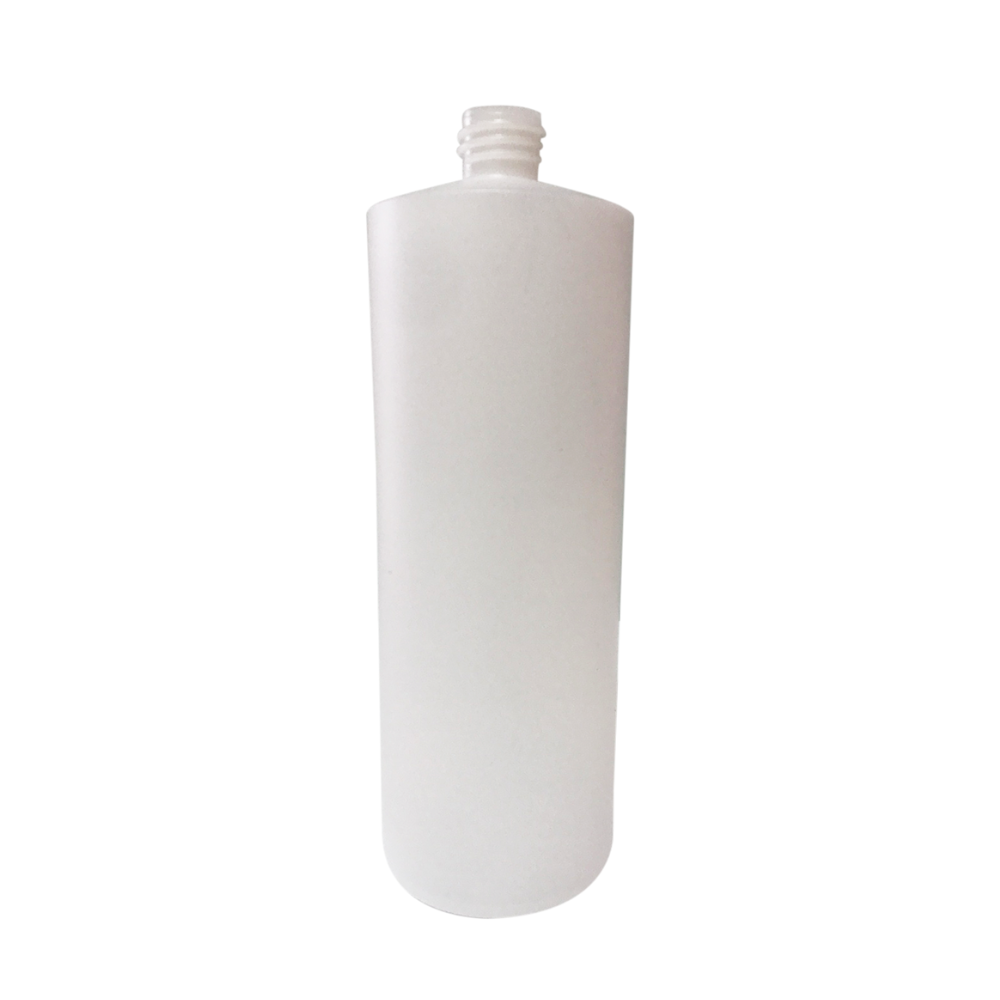
What Must a Secondary Bottle Identify?
The information depends on how the container is used and Australian WHS labelling requirements. At minimum, workers must be able to identify the product and its hazards and trace it to the SDS and original label. Use Safe Work Australia’s labelling guidance and the product label rather than inventing abbreviations.
| Label element | Control purpose | Common failure |
|---|---|---|
| Product identifier | Connects bottle to original product and SDS | Nickname or generic “cleaner” |
| Hazard information | Warns the user before exposure | Hazard pictogram or statement omitted |
| Dilution or use instruction | Prevents wrong-strength application | Ratio copied without product context |
| Date / preparer where procedure requires | Supports shelf-life and accountability | Old solution kept indefinitely |
Select a Chemically Compatible Container
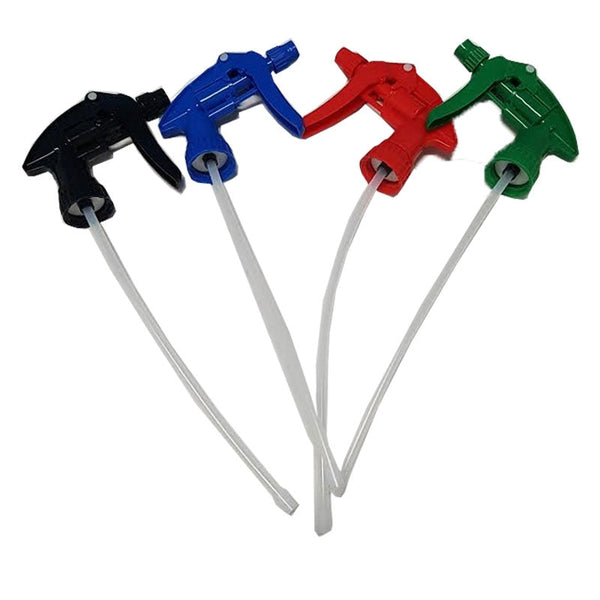
Use a bottle and trigger intended for the product class and concentration. Check supplier instructions for materials, seals and venting. A trigger that swells, leaks or loses its seal exposes the operator even when the label is correct. Retire damaged bottles rather than transferring the trigger to an unknown container. The official SDS guidance explains why handling and storage information must remain available at the point of use.

Control the Dilution Before the Pour
Follow the product label and dosing equipment instructions. Do not convert ratios from memory or top up an unknown остаток. Prepare the required quantity, use dedicated measuring equipment where specified and keep incompatible products away from the decanting station.
Safe Work Australia notes that SDS information covers handling, storage, spill response and incompatibilities. Use those sections to design the station and PPE, not as paperwork completed afterward.
Separate Incompatible Chemicals and Equipment
Dedicated bottles, funnels and measuring devices prevent residues from creating an unintended mixture. Acids, chlorine-releasing products and ammonia-containing products require particular attention. Never rinse one container and assume it is safe for another formulation unless the approved procedure explicitly allows reuse.
Build a Repeatable Decanting Sequence
Use the same controlled sequence each time: identify the original product, read the label and SDS, inspect the receiving bottle, apply the workplace label, measure or dose, close both containers, clean the station and return stock to the correct location. Stop if any identifier, dilution or compatibility detail is uncertain.
- Verify product and task.
- Prepare compatible labelled container.
- Set spill control and PPE.
- Dose without combining residues.
- Close, clean and store.
- Record exceptions.
Manage Shelf Life and Leftover Solution
Some diluted products lose effectiveness or stability over time. Use the manufacturer’s documented limit; do not create a universal discard period for every chemical. Where a mixed-on date is required, make it legible. Dispose of unwanted solution through the approved site process and SDS guidance, not into stormwater; consult relevant NSW EPA chemical information for local waste and spill context.

Train Workers to Reject Unidentified Bottles
Training must include a stop rule: an unidentified, illegible or damaged container is not used. Workers should know where to quarantine it, how to report it and where to retrieve the SDS. Supervisors should include working bottles in inspections rather than auditing only the original stock room. The model code for managing hazardous chemicals provides the broader risk-control framework.
Secondary-Bottle Inspection Checklist
Inspect product identity, label legibility, bottle and trigger condition, dilution status, fill level, storage location and traceability to the SDS. Also check that the bottle is not being used for a task or surface excluded by the product instructions.
Design the Decanting Station Around Error Prevention
Separate clean empty bottles, labelled working bottles and waste containers so they cannot be confused. Provide enough light to read labels, a stable surface, compatible spill containment and access to the specified washing or emergency facilities. Keep incompatible concentrates out of the same work zone while one product is being prepared.
Where multiple dilutions are approved, use colour or number cues only as secondary controls; the product identifier and written dilution remain essential. Position the label so it stays visible in the trolley and is not covered by the worker’s hand. Replace labels that soften, peel or become unreadable in wet work.
Verify the System with Observation, Not a Written Quiz
Ask a worker to demonstrate the complete task using normal equipment. Observe product selection, label check, PPE, measurement, closure, cleanup and storage. Correct shortcuts at the point where they occur. A worker who can recite a ratio may still select the wrong concentrate or reuse a contaminated funnel.
Supervisors should sample working bottles during site inspections and trace each one back to the original container, register entry and SDS. Track recurring errors by cause: unclear label design, poor station layout, unsuitable trigger, time pressure or missing stock.
Frequently Asked Questions
Can cleaning chemicals be stored in drink bottles?
No. Food and drink containers create a serious identification and ingestion risk and should not be used for workplace chemicals. Use a compatible purpose-made container with the workplace label required for the product and task.
Does a diluted cleaning chemical still need a label?
Do not assume dilution removes the need for identification. Apply the Australian WHS labelling rules and the manufacturer’s directions to the actual use scenario so workers can identify the product, hazards and relevant instructions.
Can one spray bottle be reused for different products?
Only when the product instructions and an approved workplace procedure confirm compatibility and decontamination. Dedicated bottles are usually easier to control. Unknown residues can react with the next product or change its performance.
What should staff do with an unidentified bottle?
Stop using it, isolate it under the workplace procedure and report it to the supervisor. Do not smell, test or mix the contents. Identification should be established from controlled records, or the contents managed as unknown chemical waste.
Make the Next Decision from Site Conditions
Safe decanting preserves identity from the original container to the point of use. The label, compatible bottle, controlled dilution and traceable SDS must work as one system.
For controlled containers and triggers, review Freshway Supplies’ spray bottles and triggers and confirm chemical compatibility before ordering.